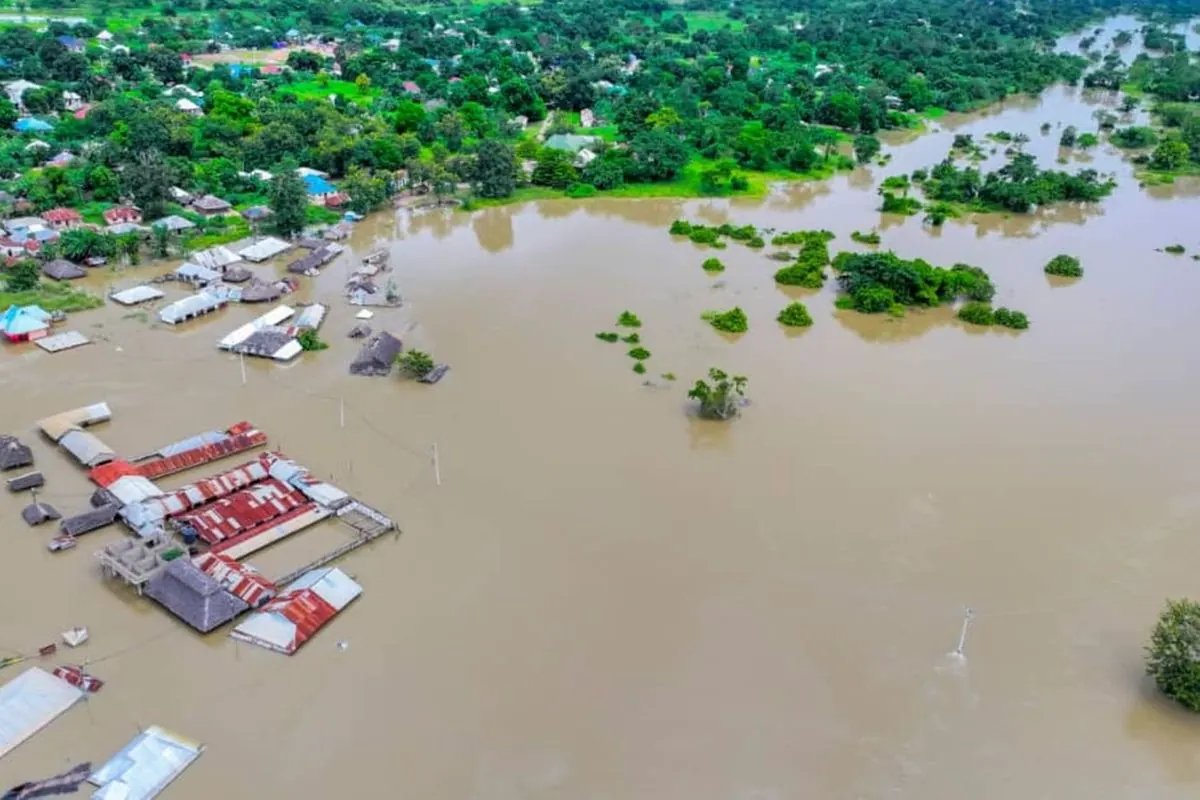
The Tanzania Meteorological Authority (TMA) has forecast normal to above-normal rainfall in several regions, including Dar es Salaam, Arusha, Tanga, Kilimanjaro, and Pwani, due to strong El Niño conditions. Residents are being urged to prepare for the expected heavy Vuli rains, which are likely to begin in late September or early October. The TMA has warned that flood-prone areas will be at increased risk of flooding and property damage.
Climate analyst Dr. Godfrey Gosbert from the University of Dar es Salaam has emphasized the need for residents to take precautions to minimize the risks associated with the expected heavy rainfall. He cited the combination of heavy rainfall, inadequate drainage, and human activities as factors that could increase the risk of flooding, property damage, and accidents. Dr. Gosbert urged residents to clear rubbish, soil, and other materials from drainage channels around homes and businesses to allow rainwater to flow freely.
In addition to clearing drainage channels, households are being advised to inspect and repair leaking roofs, doors, and windows, and to keep important documents, medicines, food, and electrical appliances in dry, secure places. Families living in flood-prone areas are also being urged to identify safer places where they can seek shelter if water levels rise. This is part of a broader effort to mitigate the impacts of El Niño, which is expected to bring significant challenges to Tanzania.
Dr. Gosbert also recommended that households keep essential food and cooking energy supplies at home in case heavy rains disrupt access to shops and other services. He suggested stockpiling basic food items, such as rice, beans, and flour, which can be stored without spoiling. This will help ensure that households have access to essential supplies during the expected heavy rainfall period.
Residents are being advised to limit unnecessary travel during heavy rainfall, particularly at night, when poor visibility can make it difficult to identify flooded roads, potholes, and damaged infrastructure. Motorists and pedestrians are being warned to avoid crossing flooded roads unless they are certain it is safe. This is due to the risk of vehicles being swept away or damaged by floodwater, which can conceal potholes, eroded road sections, and damaged bridges.
The risks associated with El Niño are not limited to flooding, as strong winds accompanying heavy rains can also bring down trees and branches. Residents are being advised to inspect large trees near buildings and have dangerous branches safely pruned. Weak trees that pose a risk should be assessed for possible removal by qualified personnel to minimize the risk of damage or injury.
The Tanzanian government has announced plans to spend Sh730 billion to mitigate the impacts of El Niño, which is expected to bring significant challenges to the country. The government is working to minimize the risks associated with the expected heavy rainfall and flooding, and residents are being urged to take precautions to ensure their safety. By taking proactive steps, residents can reduce the risks associated with El Niño and minimize the impacts on their communities.
Key points
- The Tanzania Meteorological Authority forecasts normal to above-normal rainfall in several regions due to strong El Niño conditions.
- Residents are being urged to clear drainage channels, inspect and repair homes, and stockpile essential supplies to minimize the risks associated with the expected heavy rainfall.
- The government has announced plans to spend Sh730 billion to mitigate the impacts of El Niño.