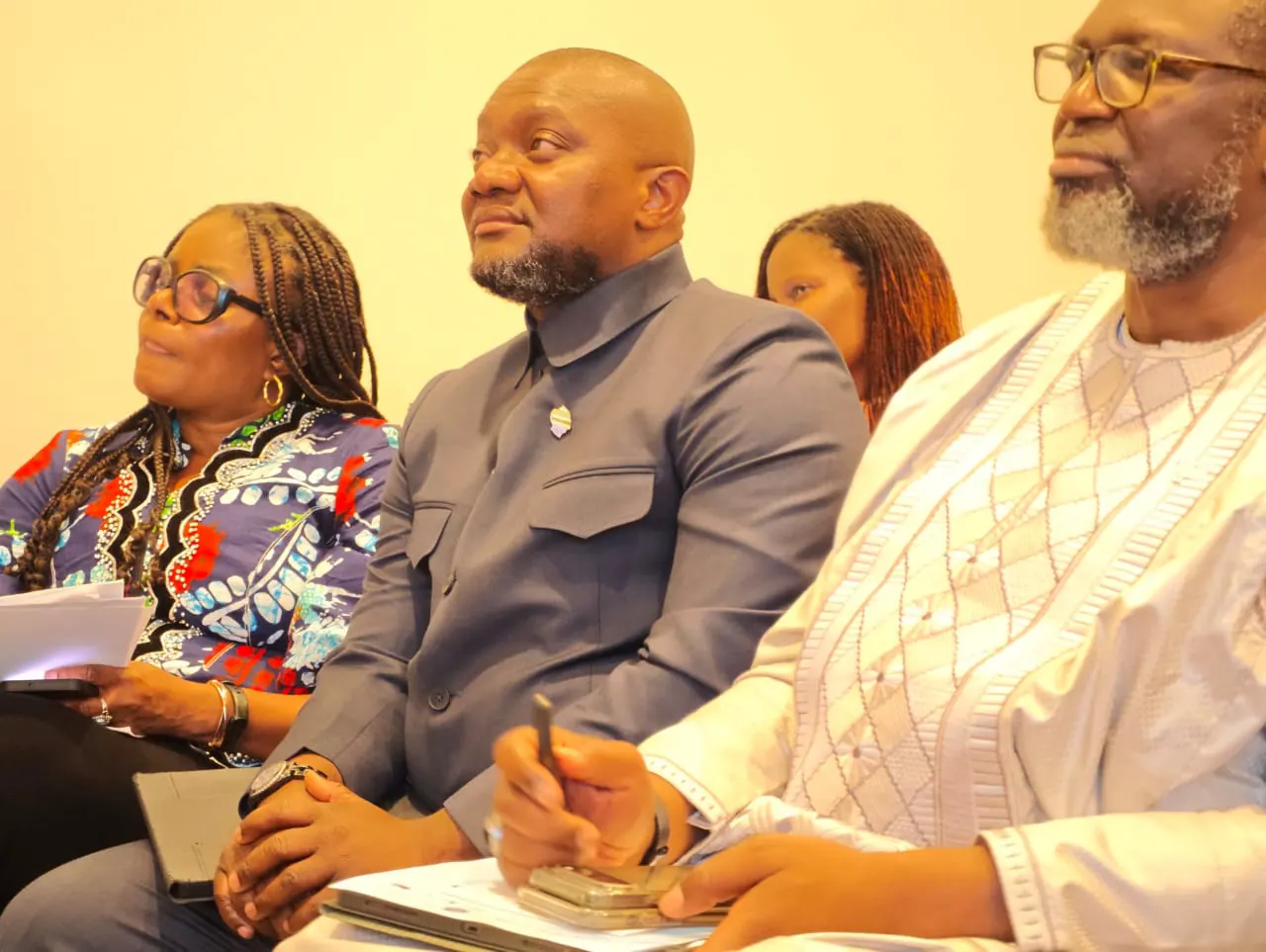
Tanzanian Minister for Health Mohamed Mchengerwa has emphasized the country's commitment to strengthening domestic production of medicines, health products, and medical equipment. This effort aims to reduce reliance on imports, enhance health security in Tanzania, and contribute to health security across Africa. Mchengerwa made these remarks in New York, United States, at a session titled “Sustaining Sierra Leone’s Triple Zero Gains Through 2028.”
The meeting, organized by the Government of Sierra Leone, took place on the sidelines of the 81st session of the United Nations General Assembly (UNGA 81). Mchengerwa represented Tanzania, accompanied by Permanent Secretary Dr. Grace Magembe. The discussions focused on sustaining Sierra Leone's progress in reducing maternal and child deaths and expanding immunization services. Tanzania's delegation to the UNGA is led by Vice-President Deogratius Ndejembi, representing President Samia Suluhu Hassan.
Mchengerwa expressed Tanzania's support for the African Union's AU Champion Roadmap 2026–2030, which seeks to achieve the “Triple Zero” targets: zero unskilled and unattended home births, zero preventable maternal and newborn deaths, and zero children missing essential vaccinations. President Samia Suluhu Hassan serves as the African Union Champion for this agenda. Tanzania is taking measures to ensure health services are available close to communities across the country.
The Tanzanian government is strengthening the Universal Health Insurance system, ensuring access to essential maternal and child health services, and protecting citizens from high medical costs. Various financing mechanisms are being used to strengthen the health sector, including public-private partnerships, direct financing of health facilities, electronic payment systems, targeted levies on specific products, and the expansion of medical tourism services.
Africa spends over $28 billion annually on medicines and health products, with a significant proportion sourced from outside the continent. This dependence exposes African health systems to disruptions in global supply chains and fluctuations in international market prices. Tanzania has made domestic production of medicines, health products, medical equipment, and hospital supplies a national priority.
Strengthening local production is not only an economic issue but also a critical component of health security. It ensures that health facilities can maintain access to essential supplies even when global supply chains face disruptions. Mchengerwa called on African Union member states and development partners to strengthen collaboration in health-sector investment, technology transfer, and industrial policies aimed at expanding the production of health products on the continent.
The United Nations General Assembly provides a platform for leaders of member states to outline their positions and priorities on major international issues. Key issues being discussed during this year's session include peace and security, wars and conflicts, climate change, artificial intelligence, global health, development, and the Sustainable Development Goals (SDGs). The theme of the 81st session is “Restoring Trust, Managing Transformation.”
Key points
- Tanzania prioritizes domestic production of medicines and medical equipment to reduce reliance on imports.
- The country aims to achieve the “Triple Zero” targets: zero unskilled and unattended home births, zero preventable maternal and newborn deaths, and zero children missing essential vaccinations.
- Africa spends over $28 billion annually on medicines and health products, with a significant proportion sourced from outside the continent.