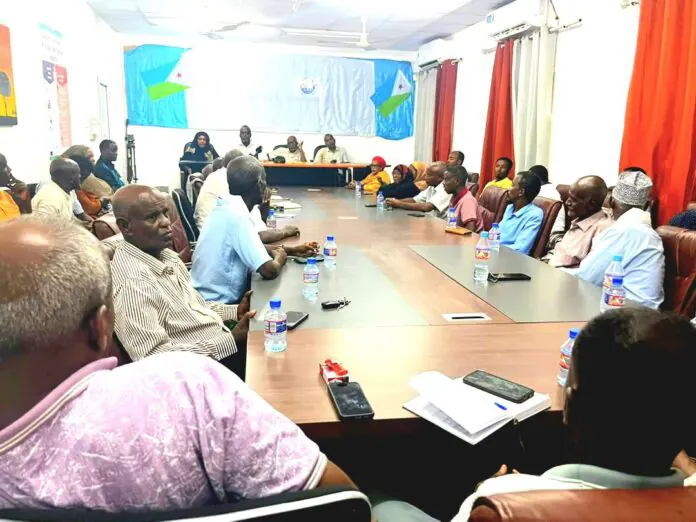
The Tadjourah region in Djibouti has taken proactive measures to mitigate potential risks associated with forthcoming meteorological events. On September 15, local authorities, including the Prefect of Tadjourah, Mohamed Houmed Abass, and President of the Regional Council, Idriss Ambassa, gathered at the Council regional to discuss strategies for managing impending weather threats. The meeting aimed to enhance coordination among stakeholders and share available meteorological information.
According to seasonal forecasts, the period from October to December is expected to experience above-normal precipitation in several areas of the Horn of Africa, influenced by the El Niño phenomenon. Although the forecasts do not provide precise details on the intensity or location of potential rain events, they serve as a warning for vigilance and preparedness. Local authorities emphasize the importance of readiness to minimize the impact of potential severe weather conditions.
The regional authorities' approach focuses on proximity to the population, leveraging the knowledge and daily interactions of local leaders, such as neighborhood heads and elders. These leaders play a vital role in disseminating prevention messages, raising awareness among families, and promptly reporting any concerning situations. The involvement of deconcentrated service representatives aims to facilitate better information circulation and strengthen coordination mechanisms.
The meeting highlighted the significance of collective responsibility in prevention, from observation to alert and action. Administration, technical services, local authorities, neighborhood heads, elders, associations, and civil society are encouraged to collaborate. By bringing together these stakeholders, the Tadjourah authorities aim to foster a culture of vigilance based on information, proximity, and coordination.
The goal is to ensure that populations receive timely information and that local actors have a concerted framework for action when necessary. Meteorological forecasts serve as a signal, and vigilance should be the corresponding response. In Tadjourah, the mobilization underway reflects a clear intention to be prepared before the onset of heavy rains and to prioritize anticipation.
Local leaders and stakeholders are working together to establish an effective early warning system. This includes identifying potential risks, mapping vulnerable areas, and designating emergency response teams. By taking proactive measures, the region aims to minimize the potential impact of severe weather conditions.
The initiative in Tadjourah demonstrates a proactive approach to disaster risk management, emphasizing the importance of preparedness and coordination. As the region prepares for the potential effects of El Niño, the collaboration among stakeholders will be crucial in mitigating the consequences of severe weather events.
Key points
- Authorities in Tadjourah, Djibouti, have convened to address anticipated severe weather conditions and enhance coordination among stakeholders.