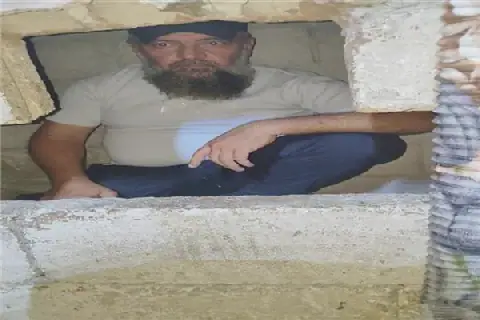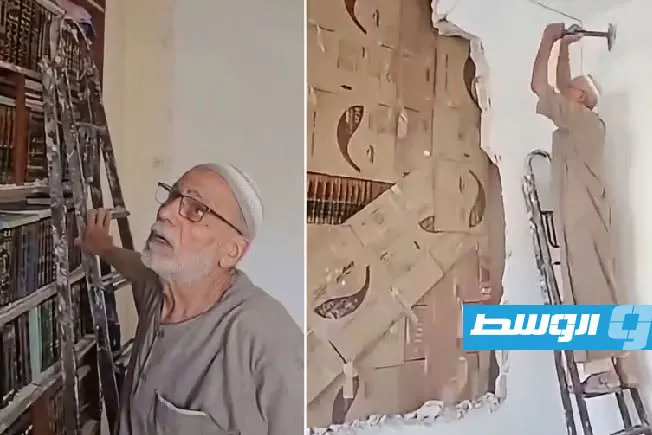
A Syrian man, Mustafa Khalid Alwan, has successfully recovered his library of hundreds of books that he had hidden behind a wall for over a decade to protect it from the Assad regime. The library, which includes books on Islamic topics, poetry, science, and social issues, was collected by Alwan over the years and was at risk of being confiscated or destroyed due to its content.
The library was hidden in a wall in a house in Homs, Syria, which Alwan had to flee in 2011 due to the escalating conflict. Before leaving, he hid the library behind a wall with the help of some young men, including some rebels. The library remained hidden until Alwan returned in December 2024, after the fall of the Assad regime, and retrieved it.
Alwan's collection includes books that were banned or considered risky to possess under the Assad regime, including works by the Muslim Brotherhood, which was a major opponent of the regime. Possessing such books could lead to imprisonment or worse. The library also includes books on various subjects, showcasing Alwan's diverse interests.
The recovery of the library was a significant moment for Alwan, who said it was like finding a part of himself again. He expressed relief and gratitude that the books were still in good condition, with over 90% of them intact. The library is a testament to Alwan's love of learning and his determination to preserve his collection despite the risks.
The Assad regime, which ruled Syria with an iron fist for over 50 years, was known for its brutal suppression of dissent and opposition. The Muslim Brotherhood, in particular, was a major target of the regime's crackdown, with thousands of people killed or imprisoned. Alwan's library is a reminder of the regime's attempts to control access to information and ideas.
The new Syrian government, led by Ahmed al-Shaar, a former jihadist leader, faces significant challenges in rebuilding the country and promoting unity. The government must navigate complex sectarian and regional divisions, as well as the legacy of human rights abuses under the Assad regime. Alwan's story highlights the importance of preserving cultural heritage and promoting intellectual freedom.
Alwan's recovery of his library is a symbol of hope and resilience in the face of adversity. He plans to continue collecting and sharing knowledge, and hopes that his story will inspire others to do the same. The library is a valuable resource for the Syrian people, and its preservation is a testament to the power of ideas and the importance of access to information.
Key points
- The library includes books on Islamic topics, poetry, science, and social issues.
- The library was hidden to protect it from the Assad regime.
- The recovery of the library is a symbol of hope and resilience in the face of adversity.