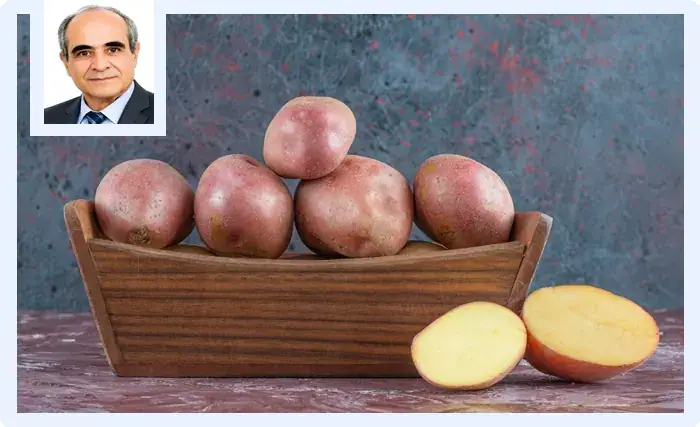
Sweet potatoes, also known as Ipomoea batatas, have long been a staple food in many countries, with their consumption experiencing steady growth worldwide. Despite being considered an exotic product in Tunisia, sweet potatoes are now more widely available in markets and large stores. They come in various shapes, sizes, and colors, including red, yellow, orange, and purple.
Sweet potatoes and potatoes are often confused, but they belong to different botanical families and have distinct characteristics. Sweet potatoes are native to Central and South America and have been cultivated for thousands of years. They were introduced to Africa, India, and Asia after the discovery of the Americas and are now grown in over 100 countries, primarily in tropical and subtropical regions.
The global production of sweet potatoes exceeds 100 million tons per year, with China being the largest producer, accounting for over half of the world's production. Other significant producers include Malawi, Tanzania, Nigeria, and Angola, where sweet potatoes are a crucial part of the local diet. Despite their importance, sweet potatoes are not widely traded on the international market.
Sweet potatoes are a nutrient-rich food, high in complex carbohydrates, fiber, vitamins, and minerals such as potassium, calcium, and iron. They are also rich in antioxidants and beta-carotene, making them a "superfood." The leaves of the sweet potato plant are also edible and have significant nutritional value, containing vitamins C, E, and K.
In many cultures, sweet potatoes are a staple food, consumed boiled, roasted, or transformed into noodles, flour, or chips. In Africa, they are a vital source of energy and nutrients for rural populations. In Europe and the United States, sweet potatoes have become increasingly popular due to their nutritional value and versatility in cooking.
Sweet potatoes can be prepared in a variety of ways, including frying, mashing, grilling, and roasting. They can be used in both sweet and savory dishes, such as jams, cakes, and bread. The food industry also offers a range of sweet potato products, including purees, dehydrated flakes, and frozen products.
In Tunisia, sweet potatoes are still a relatively rare crop, but their popularity is growing. With their sweet flavor and versatility in cooking, sweet potatoes could easily become a staple ingredient in Tunisian cuisine, used in traditional dishes such as couscous and tajines.
Key points
- Sweet potatoes are a nutrient-rich food with numerous health benefits, including supporting eye health and boosting the immune system.
- Global production of sweet potatoes exceeds 100 million tons per year, with China being the largest producer.
- Sweet potatoes are a versatile ingredient, suitable for a wide range of dishes, from savory meals to sweet treats.