The Guinean authorities have suspended the broadcast of France 24 on the country's territory, following a comment made on the channel about President Mamadi Doumbouya's state visit to Côte d'Ivoire. The visit took place from September 11 to 14, 2026. The comment, made by France 24 presenter Julien Fanciulli, was deemed to be damaging to the image of the Head of State and the institutions of the Republic.
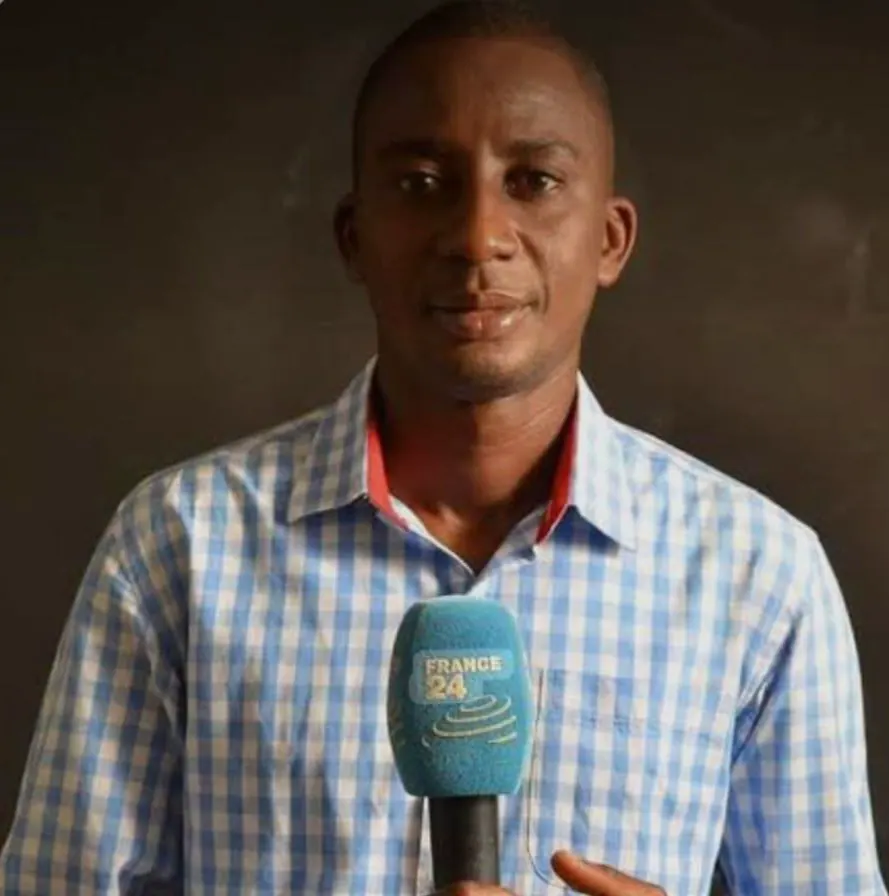
As a result of the suspension, the accreditation of Malick Diakité, France 24's local correspondent in Guinea, has been withdrawn. However, it is worth noting that Diakité was not involved in the incident, as the comment was made by Fanciulli during a program not produced by Diakité. Diakité has been working as a correspondent for France 24 in Guinea for several years, earning a reputation for his professionalism and dedication to his work.
The suspension of France 24 and the withdrawal of Diakité's accreditation have raised concerns about the impact on his career and livelihood. Aboubacar Sakho, an expert in communication, has called on France 24 to maintain Diakité's contract and salary during this period. Sakho argues that it would be unfair for Diakité to suffer professionally and financially due to circumstances beyond his control.
Sakho has also urged the Haute Autorité de la Communication (HAC) to provide administrative and moral support to Diakité. He believes that the HAC can play a role in ensuring that the suspension of France 24 does not affect Diakité's professional reputation. The incident highlights the challenges faced by journalists working in West Africa, where governments and media outlets often have complex relationships.
France 24 has since apologized to the Guinean authorities for the comment made on its program. The channel's management is expected to engage in dialogue with the authorities to resolve the issue. However, the situation remains uncertain, and Diakité's future as a correspondent for France 24 in Guinea hangs in the balance.
The incident has sparked a wider debate about the role of international media outlets in West Africa and the need for greater understanding and cooperation between governments and journalists. Many have expressed concern about the potential impact on press freedom and the ability of journalists to report on important issues without fear of reprisal.
As the situation continues to unfold, one thing is clear: the suspension of France 24 in Guinea has significant implications for Malick Diakité's career and the wider media landscape in the region. The international community will be watching closely to see how the situation is resolved and what it means for the future of journalism in West Africa.
Key points
- The suspension of France 24 in Guinea has sparked concerns about the impact on the career of local correspondent Malick Diakité, who was not involved in the incident that led to the suspension.
- Aboubacar Sakho, an expert in communication, has called on France 24 to maintain Diakité's contract and salary during this period.
- The incident highlights the challenges faced by journalists working in West Africa, where governments and media outlets often have complex relationships.