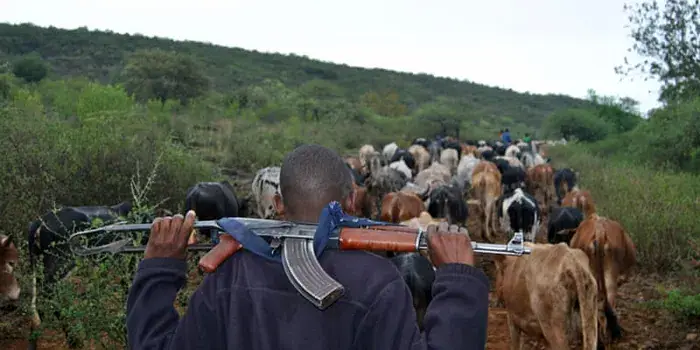
On November 8, 2026, a ceremony was held at the Maa Cultural and Tourism Event in the Maasai Mara National Reserve, where 435 cows were distributed to Samburu pastoralists. The event was attended by Narok Governor Patrick Ole Ntutu, Samburu Governor Jonathan Lati Lelelit, and Kajiado Governor Joseph Ole Lenku. The distribution of cattle was a gesture of compensation for the loss of livestock during a multi-agency security operation launched on September 19, 2026.
The security operation was aimed at curbing banditry, recovering illegal firearms, and restoring order in the region after a series of attacks and cattle raids. However, during the operation, police killed more than 700 livestock belonging to 43 families, according to community leaders. Interior Cabinet Secretary Kipchumba Murkomen cited police records showing 237 animals killed. The loss of livestock had a devastating impact on the families, wiping out their livelihoods, food supplies, and ability to pay school fees.
Local leaders and the Maa Association had demanded compensation and accountability for the killing of the livestock. In early October, Governor Lelelit presented a petition to the National Assembly Security Committee, noting that the Interior CS had admitted to transgressions in the operation. The Cabinet Secretary had initially rejected compensation claims, citing a lack of legal framework, but pledged accountability if investigations confirmed unlawful killings of the animals.
The distribution of cattle was accompanied by cultural activities, including cleansing ceremonies, which underscored the community's efforts to restore normalcy after the protests that erupted in October 2026. The event was attended by ground reporters who documented families receiving the animals. The governors' move was seen as a step towards healing and rebuilding the affected communities.
The security operation had been launched to address the rising cases of banditry and cattle rustling in the region. The operation had resulted in the recovery of illegal firearms and the arrest of several suspects. However, the killing of livestock had raised concerns about the use of excessive force by the police. An investigation into the incident had been launched to determine the circumstances surrounding the killing of the animals.
The handing over of cattle to the Samburu families was seen as a gesture of goodwill by the county governments. The event was a significant step towards rebuilding trust between the government and the affected communities. The community leaders appreciated the efforts of the governors in providing compensation to the affected families.
The incident highlighted the need for the government to ensure that security operations are carried out in a manner that respects human rights and the rule of law. The government had been urged to establish a clear framework for compensation and accountability in cases where security operations result in the loss of property or life.
Key points
- 435 cows were distributed to Samburu pastoralists as compensation for livestock killed during security operation.
- The security operation was launched to curb banditry, recover illegal firearms, and restore order in the region.
- Local leaders had demanded compensation and accountability for the killing of the livestock.