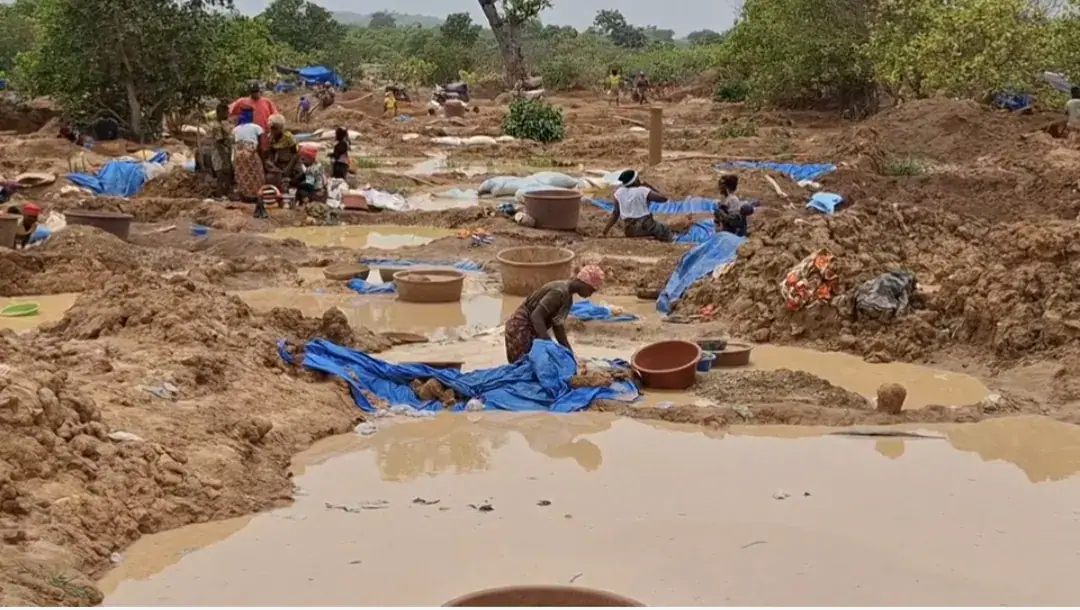
The Guinean government's decision to suspend artisanal gold mining in the Siguiri region has sparked a range of reactions from local actors. While some have welcomed the move, citing the need to better regulate the activity and protect the environment, others have expressed reservations about its implementation and the circumstances surrounding the announcement. The suspension has been endorsed by several local leaders, including Mamady Foulata Camara, a politician who believes the decision is necessary to safeguard the population and the environment.
Mamady Foulata Camara emphasized that the government's primary concern is the well-being of the population and the environment. He noted that the authorities are not opposed to the local population, but rather seek to prevent further degradation of the environment. Similarly, Mamadi Mades Kanté, president of the Siguiri chapter of the Jeune Chambre internationale (JCI), views the decision as an opportunity to regulate gold mining in the region. Kanté stated that the move is in the best interest of the nation and will help to ensure that the mining activity is carried out in a responsible manner.
Alpha Kabinè Doumbouya, a local citizen, also supports the government's decision and has called on the population to cooperate with the authorities in its implementation. He believes that the suspension is a necessary step and that it will ultimately benefit the local community. However, not everyone shares this view, with some expressing concerns about the method and context of the decision. Bérété Lanceï Condé, an actor politician, agrees with the objective of the suspension but criticizes certain aspects of the approach, particularly with regard to Burkinabè nationals present in the mining areas.
Condé suggests that the government should have started by suspending artisanal gold mining, allowing Burkinabè nationals to decide whether to remain in Siguiri or return to their country. Alpha Oumar Keïta, a local citizen, questions the timing of the announcement and its impact on the local population. He notes that the decision has come as a surprise to many in Siguiri and that the motivations behind it are not yet clear. Despite these divergent views, the reactions collected from local actors suggest a relatively broad consensus on the need for better regulation of artisanal gold mining.
The suspension of artisanal gold mining in Siguiri has significant implications for the local economy and environment. Gold mining is a major activity in the region, with many people relying on it for their livelihood. The government's decision to suspend the activity is seen as a necessary step to prevent further environmental degradation and ensure that the mining is carried out in a responsible manner. However, the implementation of the suspension and its impact on the local population remain to be seen.
The Guinean government has faced criticism in the past for its handling of the mining sector, with many accusing it of failing to regulate the activity effectively. The suspension of artisanal gold mining in Siguiri is seen as a step towards addressing these concerns and ensuring that the mining sector contributes to the country's economic development. The government will need to engage with local communities and other stakeholders to ensure that the suspension is implemented effectively and that the needs of all parties are taken into account.
The coming weeks and months will be crucial in determining the impact of the suspension on the local population and the mining sector as a whole. The government's ability to regulate the activity and ensure that it is carried out in a responsible manner will be closely watched. Key to the success of the suspension will be the level of engagement with local communities and the development of effective measures to mitigate the impact of the suspension on the local economy.
Key points
- The suspension of artisanal gold mining in Siguiri region has elicited mixed reactions from local population.
- The decision aims to better regulate the activity and protect the environment.
- The implementation of the suspension and its impact on the local population remain to be seen.