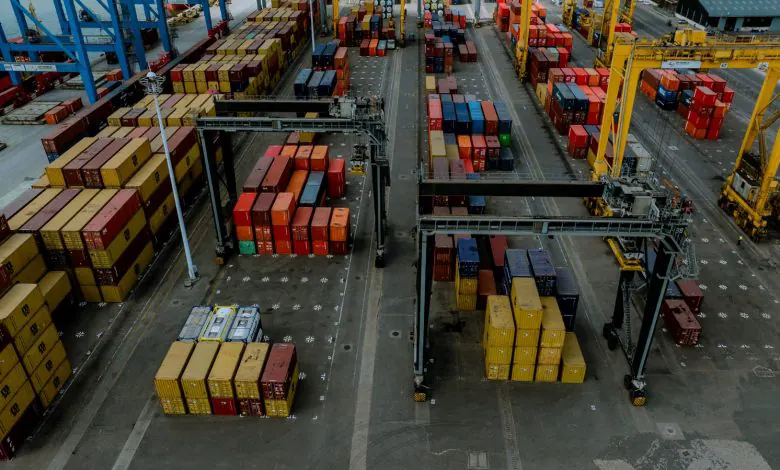
Dar es Salaam is becoming a crucial gateway for goods moving from Tanzania's Indian Ocean coast to landlocked markets across East and Central Africa. The port's growing role in regional trade is evident in the 17% rise in transit cargo to 14.61 million tonnes during the 2025/26 financial year. The Democratic Republic of Congo, Zambia, and Rwanda accounted for most of this traffic, driven by growing demand from neighbouring economies and improvements in Tanzania's transport network.
The Democratic Republic of Congo recorded the largest share of transit cargo, with volumes rising 30% to 7.77 million tonnes. Zambia handled 3.41 million tonnes, while cargo destined for Rwanda increased 24% to 2.18 million tonnes. These figures underscore the importance of corridor performance in regional trade. Mining companies, manufacturers, traders, and importers consider transport costs, clearance times, and reliability when choosing routes, making Tanzania's competitiveness dependent on the entire journey to the final destination.
Dar es Salaam Port has recorded substantial growth, handling 33.71 million tonnes of cargo during 2025/26, a 21.5% increase from the previous year. Total cargo handled rose from 16.27 million tonnes in 2020/21 to 27.76 million tonnes in 2024/25. The average time container vessels spent at berth fell from about 10 days to three days, driven by investments in port equipment, infrastructure, and technology, including by concessionaire DP World.
DP World has invested $123 million in the port, including in cranes, cargo-handling systems, and yard infrastructure. Eight new diesel-electric Rubber Tyred Gantry Cranes were commissioned in June, adding container-handling capacity. Container traffic has reflected these changes, with four consecutive monthly throughput records, handling 48,793 containers in August. This growth has created business opportunities for transporters, clearing and forwarding companies, warehouses, and other logistics providers.
The port's expanding capacity is allowing it to handle diverse cargo, including larger vehicle carriers and increasing volumes of dry bulk, general cargo, and roll-on/roll-off traffic. Additional dry-bulk equipment is expected to raise handling capacity for wheat, sulphur, and fertiliser by 65%. Faster movement can benefit producers and consumers by reducing the time goods spend waiting before reaching markets.
Once cargo leaves Dar es Salaam, its efficiency depends on railways, roads, dry ports, and border facilities connecting Tanzania with inland markets. Commercial freight operations on the Standard Gauge Railway between Dar es Salaam and Dodoma began in July 2025, while construction continues on sections intended to extend the network westwards. A planned freight terminal at Morogoro is designed to connect rail cargo with road transport serving domestic and regional markets.
Administrative reforms, such as the planned Maritime Transport e-Regulatory System, are expected to enable maritime service providers to process licences and registrations electronically, reducing paperwork and improving access to information. The challenge for Tanzania is converting growing cargo volumes into sustained economic activity, creating employment, and increasing demand for logistics services, warehouses, and financial services.
Key points
- Transit cargo through Dar es Salaam Port rose by 17% to 14.61 million tonnes during the 2025/26 financial year.
- The Democratic Republic of Congo recorded the largest share of transit cargo, with volumes rising 30% to 7.77 million tonnes.
- DP World has invested $123 million in the port, including in cranes, cargo-handling systems, and yard infrastructure.