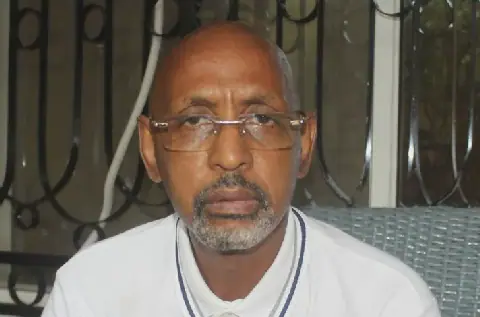
The Supreme Court of Ghana has unanimously dismissed an application by former Ghana Infrastructure Investment Fund (GIIF) Chief Executive Officer Solomon Asamoah. The application, filed under Article 132 of the 1992 Constitution, sought to quash an order by trial judge Justice Audrey Kocuvie-Tay. The order directed Asamoah to testify before calling other defense witnesses in the ongoing SkyTrain trial. The Supreme Court's decision, delivered on November 25, 2026, paves the way for the High Court to continue the trial.
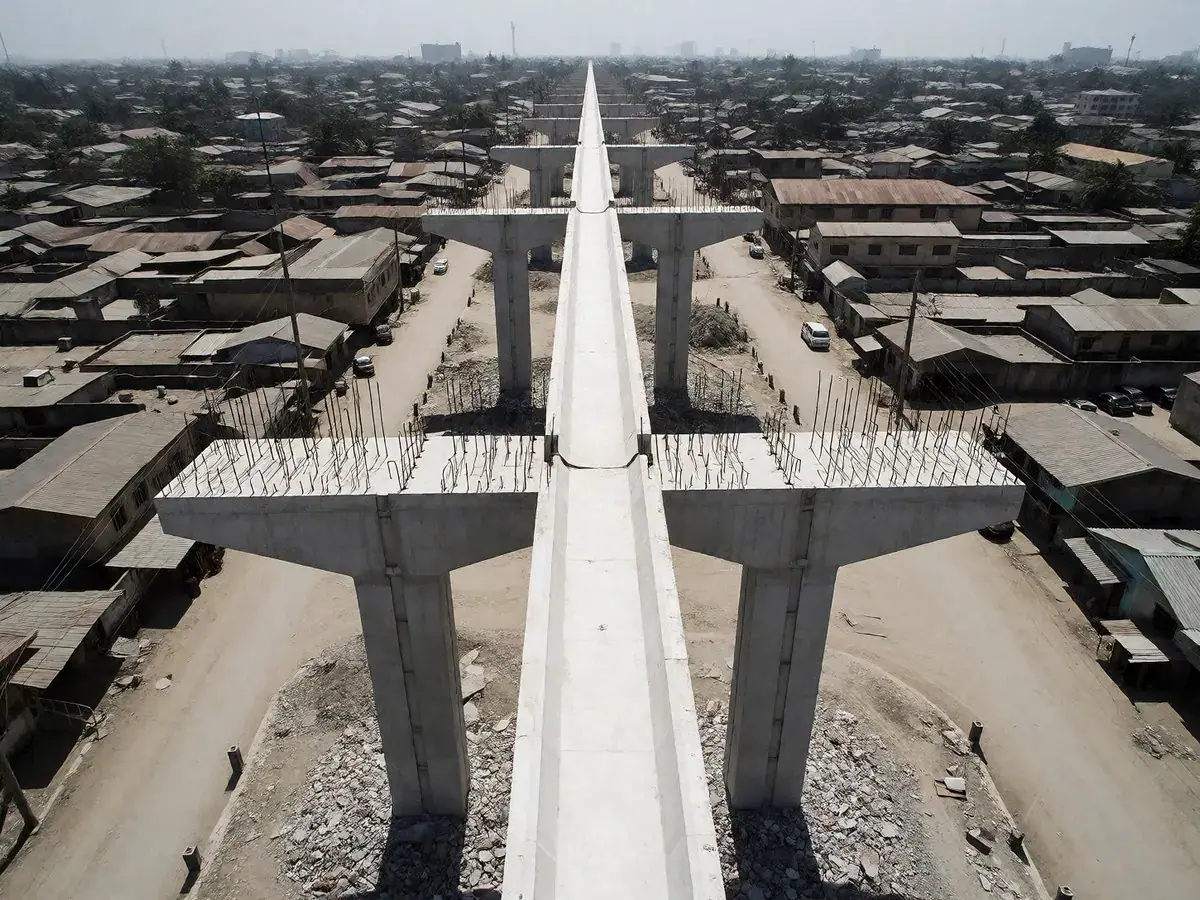
Asamoah and former GIIF Board Chairman Professor Christopher Ameyaw-Akumfi face six counts of financial misconduct related to a US$2 million investment in the proposed Accra SkyTrain project. The project was never constructed, and both individuals have pleaded not guilty to the charges. These charges include conspiracy to wilfully cause financial loss to the state, wilfully causing financial loss to the state, and intentional dissipation of public funds. The trial has been ongoing, with Asamoah intending to subpoena 15 individuals, including former Railway Development Minister Joe Ghartey and several current and former GIIF officials.
The Supreme Court's five-member panel, led by Justice Issifu Omoro Tanko Amadu, determined that the trial judge's order respected the constitutional choices available to Asamoah. These choices include the decision on what case to call and whom to call. The court held that the trial judge acted lawfully within the powers conferred on her by Parliament. The Supreme Court also noted that Asamoah's right to decide how to conduct his defense does not extend to controlling the proceedings of the court.
The court emphasized that transferring judicial responsibility to a party in the proceedings would violate the court's authority. The Supreme Court's decision was made after hearing arguments on Tuesday, November 24, 2026. Counsel for Asamoah, Victoria Barth, argued that the directive violated her client's constitutional right to a fair trial and his right to remain silent. Barth also contended that the trial court exceeded its jurisdiction by determining the sequence in which the defense should present its witnesses.
Principal State Attorney Sefakor Batse argued that disagreement with the trial court's procedural direction did not constitute an error warranting the Supreme Court's supervisory intervention. Batse maintained that any challenge should follow an appeal route rather than the supervisory jurisdiction. The Supreme Court's dismissal of Asamoah's application allows the High Court to continue the trial, which has been ongoing with testimonies and evidence being presented.
The SkyTrain trial has garnered significant attention due to the high-profile nature of the accused and the allegations of financial misconduct. Asamoah and Ameyaw-Akumfi's case involves complex financial transactions and decisions made during their tenure at GIIF. The trial's outcome will have implications for the management of public funds and the accountability of high-ranking officials in Ghana. The Supreme Court's decision ensures that the trial can proceed without delay, allowing for a thorough examination of the evidence and testimonies presented.
The dismissal of Asamoah's application marks a significant development in the SkyTrain trial. The case will continue at the High Court, where Justice Audrey Kocuvie-Tay will oversee the proceedings. Asamoah's defense strategy includes subpoenaing key witnesses to testify on his behalf. The trial's progression will be closely watched, given its implications for governance and financial management in Ghana.
Key points
- The Supreme Court's decision allows the High Court to continue the SkyTrain trial without delay.
- Solomon Asamoah and Professor Christopher Ameyaw-Akumfi face six counts of financial misconduct related to a US$2 million investment in the proposed Accra SkyTrain project.
- The trial's outcome will have implications for the management of public funds and the accountability of high-ranking officials in Ghana.
Reporting sources
- Supreme Court dismisses Solomon Asamoah application in SkyTrain trial · The Statesman Newspaper