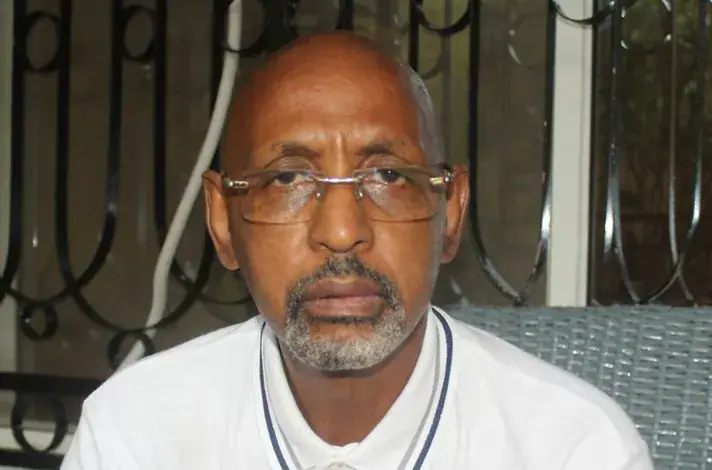
The recent passing of Ibrahima Sors Keïta, a legendary figure in Guinean football, has plunged the nation into deep sorrow. Keïta, known as "Petit Sors," was an iconic player for Hafia FC during its glorious years and a symbol of Guinean football excellence. His death has sparked an outpouring of tributes from the Guinean Republic, but it also brings to light a recurring issue in Guinean society: the inadequate treatment of cultural and sports icons once their active careers end.
The issue is characterized by the reliance on last-minute interventions from the head of state for medical evacuations when artists or athletes fall seriously ill. This pattern has become so common that families and representatives of these national heroes often take to social media and the press to appeal for help, highlighting the critical health conditions of these individuals. This situation underscores a systemic failure to provide structured support and care for those who have contributed significantly to Guinean culture and sports.
The phenomenon reveals a paradox in Guinean society, where national heroes are reduced to seeking help through public appeals. This contrasts sharply with other countries where athletes and cultural creators are recognized as key contributors to national industries, receiving fair compensation and support. In Guinea, despite the international acclaim of its artists and athletes, such as Mory Kanté, Sékouba Bambino, Naby Keïta, and Serhou Guirassy, the national support structures are lacking.
A major part of the problem lies in the absence of a robust national policy for culture and sports, including mechanisms for social protection, health coverage, and retirement. The Guinean healthcare system also faces challenges in providing quality care, often necessitating medical evacuations as a temporary solution. This approach, however, does not address the root issues and leaves the system dependent on ad-hoc interventions rather than structured, long-term solutions.
Critics argue that the current approach perpetuates a culture of discretionary assistance and state paternalism, rather than establishing a republican system that guarantees rights and provides structured support. To genuinely honor national heroes like Petit Sors, there is a call for Guinea to transition towards a system that ensures professional status, robust social security, dignified retirement, transparent management of rights and prizes, and modern medical infrastructure for all citizens.
Analysts and citizens alike are urging for a fundamental shift in how Guinea treats its cultural and sports figures, emphasizing the need for a structured and predictable system of support. This includes professional status, social security, and healthcare that does not rely on last-minute interventions but on a solid, institutional framework. The dignity of these national heroes and the broader population depends on the implementation of such a system.
The reflection on Petit Sors' legacy and the condition of Guinean heroes serves as a call to action for institutional reform and a more equitable society. By addressing these systemic issues, Guinea can honor its national figures in a more meaningful and lasting way, ensuring that their contributions are valued and supported throughout their lives and beyond.
Key points
- The Guinean government is urged to establish a structured support system for national cultural and sports heroes.
- The current reliance on last-minute state interventions for medical care highlights a broader failure in social protection policies.
- Reform is needed to transition from discretionary assistance to a system guaranteeing rights and structured support for artists and athletes.