Libya's health system is facing a significant threat from counterfeit medicines, according to Abd al-Hamid al-Takhtash, director of the pharmacy and medical equipment department at the health ministry. He stated that this issue is one of the most pressing challenges facing the health system, with direct implications for citizens' health and safety. The phenomenon also erodes trust in the health system and medicine supply.
Al-Takhtash emphasized that combating counterfeit medicines is a top priority for the health ministry, requiring collaboration from all relevant parties and a comprehensive regulatory framework. This framework aims to ensure that safe, effective, and high-quality medicines reach citizens. The pharmacy department oversees the sector, regulates and monitors the circulation of medicines, and coordinates with regulatory and technical bodies to detect and prevent the circulation of counterfeit or substandard medicines.
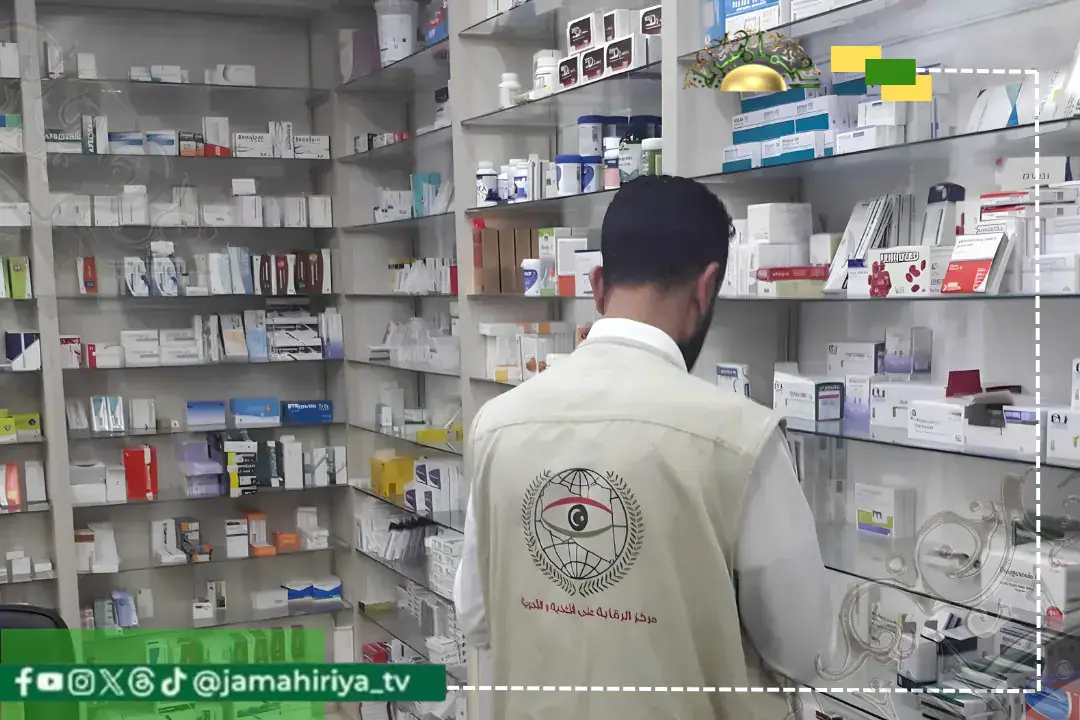
The spread of counterfeit medicines in Libya has been escalating, posing a direct threat to health security and citizens' lives, particularly those with chronic illnesses and cancer patients. Reports have highlighted significant irregularities in the medical supply system, including the seizure of hundreds of thousands of expired medicines in health facilities and the discovery of unlicensed local factories producing counterfeit medicines.
Al-Takhtash noted that addressing this issue involves not only seizing counterfeit medicines but also developing tracking and monitoring mechanisms, enhancing inspection efficiency, and promoting reporting of irregularities. Citizens and healthcare providers must be educated about the risks of dealing with unapproved medicine sources. The pharmacy department's pharmacovigilance section monitors guidance and warnings related to counterfeit medicines and receives reports on their circulation.
The health ministry's efforts to combat counterfeit medicines require coordination with various stakeholders, including regulatory bodies, healthcare providers, and citizens. The ministry aims to ensure a safe and secure medicine supply, protecting citizens' health and well-being. Libya's experience with counterfeit medicines highlights the need for robust regulatory frameworks and international cooperation to address this issue.
Counterfeit medicines can have severe consequences, including treatment failure, adverse reactions, and even death. In Libya, the spread of counterfeit medicines has significant implications for public health, particularly in the context of existing healthcare challenges. The health ministry's efforts to address this issue are crucial to ensuring the integrity of the medicine supply and protecting citizens' health.
The issue of counterfeit medicines in Libya underscores the need for sustained vigilance and cooperation among stakeholders to prevent the circulation of substandard medicines. The health ministry's commitment to addressing this challenge is essential to maintaining trust in the health system and ensuring that citizens have access to safe and effective medicines.
Key points
- Counterfeit medicines pose significant threat to Libya's health system and citizens' health and safety.
- Health ministry prioritizes combating counterfeit medicines through collaboration and a comprehensive regulatory framework.
- Libya's experience highlights need for robust regulatory frameworks and international cooperation to address counterfeit medicines.