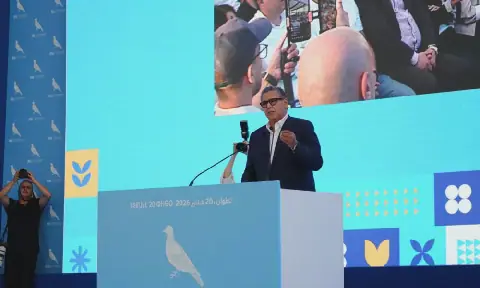
The Suez Canal Authority (SCA) has reported a significant increase in traffic through the waterway for August 2026. According to Osama Rabie, Chairperson of the SCA, 1,358 vessels transited the canal, carrying a combined net tonnage of 68.3 million tonnes and generating $567.1m in revenues. This represents a substantial increase from August 2025, when 1,070 vessels carried 45.2 million tonnes in net tonnage and generated $326m in revenues.
The latest figures represent annual increases of 27% in vessel numbers, 51.1% in net tonnage, and 56.7% in revenues. Rabie attributed the growth to the authority's flexible policies and measures aimed at maintaining operational efficiency while developing new sources of revenue and expanding maritime services. The SCA has introduced additional services for shipping lines and vessels transiting the canal, including shipbuilding and repair, marine fuel bunkering, marine ambulance services, and crew changes.
Rabie noted that recent geopolitical developments and disruptions to global trade and supply chains have directly affected maritime traffic through the Suez Canal. However, he stressed that navigation through the canal remains safe and operational. The authority is working to localise maritime industries by developing its shipyards and affiliated companies and establishing partnerships with the private sector to expand their activities and access international markets.
The SCA is expanding its activities beyond canal transit services through projects to develop maritime facilities in Arab and African countries. One notable example is the authority's participation in the development of the Port of Sirte in Libya, which was reopened after 14 years of closure. This project highlights the SCA's commitment to regional cooperation and development.
The SCA's Maritime Training and Simulation Academy has also made significant contributions to the development of maritime industries. The academy has developed a simulation model of Saudi Arabia's Ras Al-Khair Port and is currently negotiating to develop simulation models for two ports in Namibia. The academy will also provide training for local maritime pilots and tugboat captains.
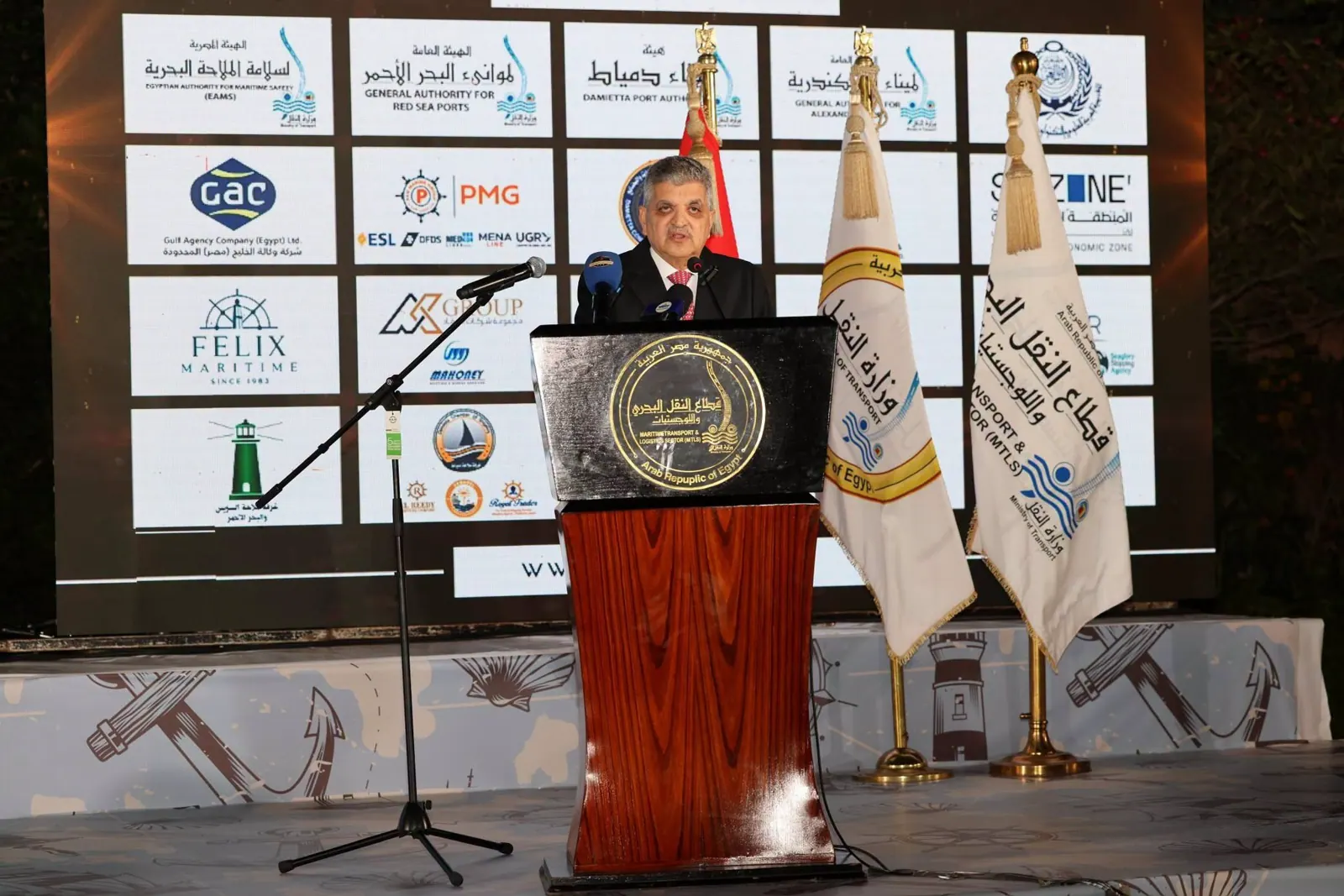
The World Maritime Day 2026 celebrations, organised by the Maritime Transport Sector of the Ministry of Transport in Alexandria, brought together key stakeholders from the regional maritime industry. The event was attended by Transport Minister Kamel Al-Wazir, Alexandria Governor Ahmed Khaled Hassan Saeed, and other high-ranking officials. The theme of the event, "From Policy to Practice: Advancing Maritime Excellence," reflects the importance of collaboration and innovation in the maritime sector.
The growth in Suez Canal traffic and the SCA's expanded services and activities demonstrate Egypt's commitment to developing its maritime industry. The authority's efforts to localise maritime industries, develop new sources of revenue, and expand its activities beyond canal transit services are likely to have a positive impact on the country's economy.
Key points
- Suez Canal traffic increased by 27% in August 2026 compared to the same period last year.
- The Suez Canal Authority has introduced additional maritime services, including shipbuilding and repair, marine fuel bunkering, and crew changes.
- The SCA is expanding its activities beyond canal transit services through projects to develop maritime facilities in Arab and African countries.