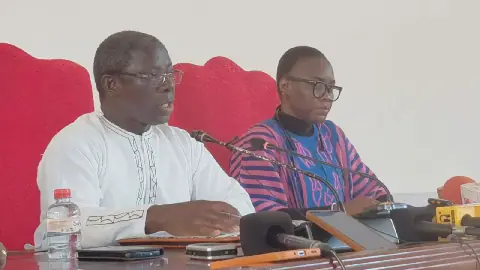
Sudanese historian and politician, Mubarak Ardol, has hailed the discovery of an ancient church in the Nubian kingdom of Makarra as a significant historical event. The church, discovered by a Polish archaeological mission, is a testament to the depth and richness of Sudanese civilization. Ardol stated that the discovery is an important addition to the country's historical knowledge and highlights the need to protect Sudan's cultural heritage.
Ardol emphasized that Sudan's history is not a passing moment in human civilization, but rather a long and deep-rooted one. The discovery of the church reveals the development of architecture, social and religious values, and the political system of the ancient kingdom. This finding provides valuable insights into the country's past and its significance in the region.
The historian also warned against attempts to erase Sudan's identity or rewrite its history to suit certain ideologies. He stressed the importance of protecting the country's memory and cultural heritage for future generations. Sudan's history is a source of pride, and its preservation is crucial to maintaining the country's identity.
Ardol expressed his concern about the potential loss of Sudan's cultural heritage and the need for its preservation. He emphasized that the country's history and identity must be protected from those who seek to distort or erase them. The discovery of the church serves as a reminder of the importance of preserving Sudan's rich cultural heritage.
The Polish archaeological mission has been working in Sudan in collaboration with the Sudanese government. The discovery of the church is a significant find, and Ardol praised the efforts of the mission. He also highlighted the importance of continued cooperation between Sudanese and international institutions to uncover and preserve the country's cultural heritage.
Ardol reiterated his commitment to preserving Sudan's history and identity. He emphasized that the country's reconstruction and development will only be possible through a deep understanding of its past and a commitment to protecting its cultural heritage. The historian expressed his hope that Sudan will emerge stronger and more confident in its future.
The discovery of the ancient church in Nubia has sparked renewed interest in Sudan's rich cultural heritage. Ardol's comments highlight the significance of this find and the need for continued efforts to preserve and protect Sudan's history and identity. The country's cultural heritage is a valuable resource that must be protected for future generations.
Key points
- The discovery of the ancient church in Nubia confirms Sudan's rich history and cultural heritage.
- Sudanese historian Mubarak Ardol warns against attempts to erase Sudan's identity or rewrite its history.
- The Polish archaeological mission has been working in Sudan to uncover and preserve the country's cultural heritage.