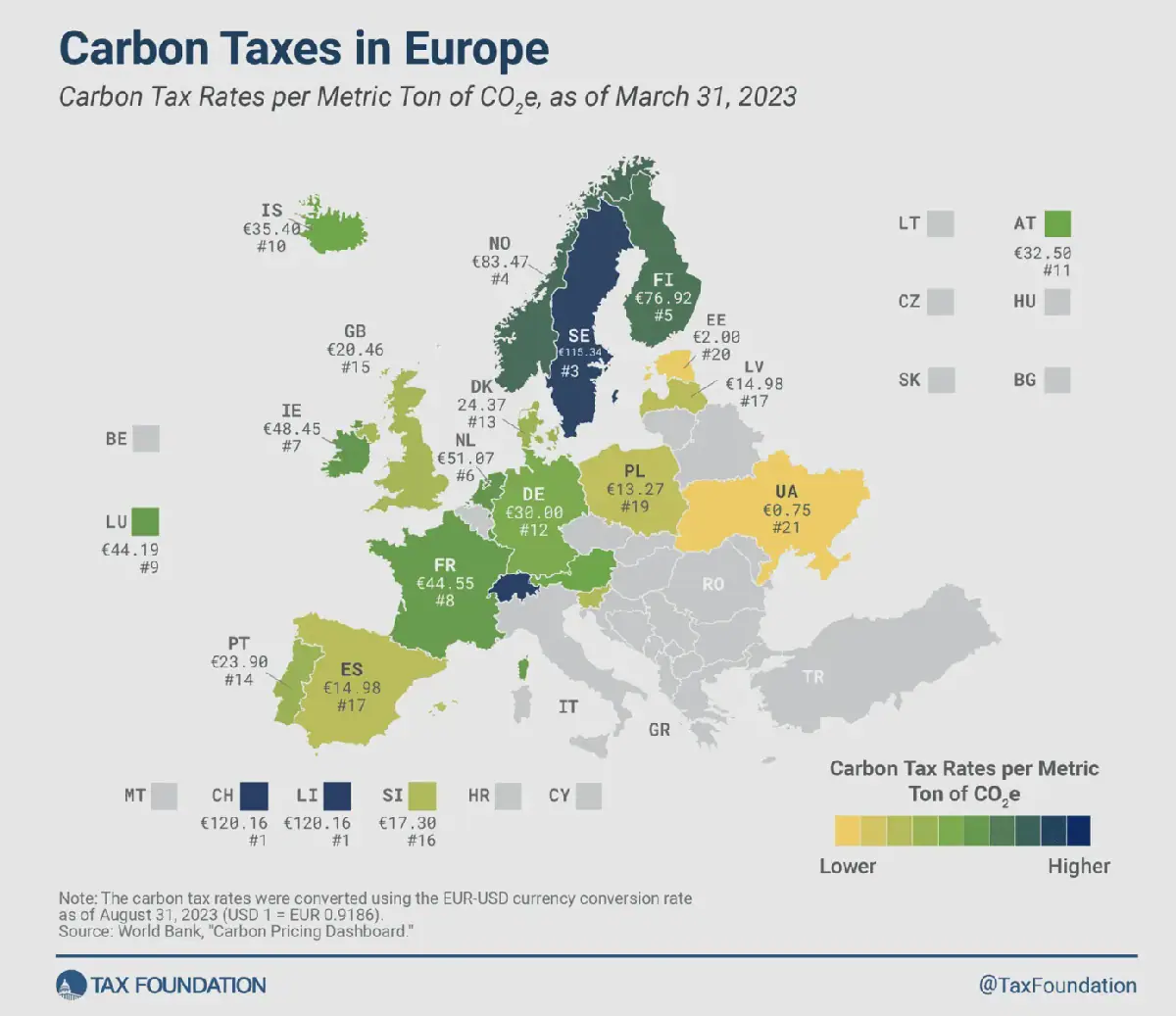
The European Union's Council and Parliament have reached a provisional agreement to increase free carbon allowances for energy-intensive industries between 2026 and 2030. The deal, announced on November 12, 2026, includes an estimated 121 million additional allowances. This move aims to mitigate the risk of "carbon leakage," where production relocates to countries with less stringent regulations. The agreement still requires formal approval and adoption.
The total of 121 million allowances comprises approximately 88 million from the initial proposal, 28 million from unused allowances due to non-compliance with certain conditions, and 5 million targeted allowances for highly exposed sectors. Industries such as chemicals, paper, food processing, beverages, ceramics, and glass will benefit from these allocations. Allowances are calculated based on performance and energy consumption references.
The European authorities view this measure as a way to preserve industrial production during the transition to less carbon-intensive technologies. The agreement temporarily reduces the carbon cost for certain installations while maintaining conditions related to energy efficiency and climate neutrality plans. Unused allowances from the targeted allocation will be directed towards the Modernization Fund and the Innovation Fund.
The budgetary and industrial scope of this agreement will depend on the actual volume of allowances attributed and the market price of carbon quotas. This development may influence investment choices and costs for European partners in value chains such as agri-food, glass, chemicals, and paper.
Although this measure does not directly apply to installations in Mauritius, it could have implications for Mauritian exporters. The agreement is distinct from the carbon border adjustment mechanism, which has its own set of rules. A free allowance granted to a European producer does not automatically translate to an exemption for an imported product.
The next steps involve the Council and Parliament validating the compromise after legal and linguistic revisions. The European Commission will then adopt calculation rules. Until then, the 121 million allowances represent a provisional political agreement, not a definitive allocation.
The agreement reflects efforts to balance competitiveness and climate objectives. The European Union continues to refine its carbon pricing mechanism to support industries in their transition to more sustainable practices.
Key points
- The European Union has agreed to increase free carbon allowances for energy-intensive industries by 121 million between 2026 and 2030.
- The allowances aim to prevent "carbon leakage" and support industries during the transition to less carbon-intensive technologies.
- The agreement's impact on Mauritian exporters will depend on its effects on European partners in shared value chains.