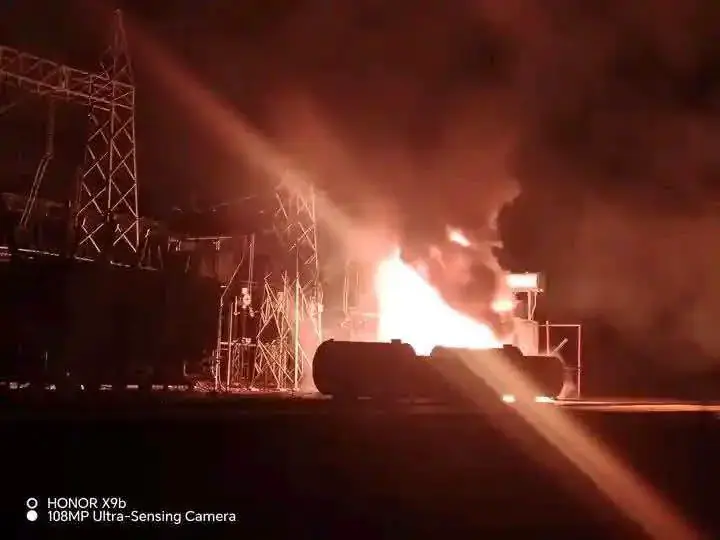
On October 27, 2026, Wajdi Saleh, a prominent leader of the Sudanese Forces for the Declaration of Principles, stated that they categorically reject targeting civilians and civilian infrastructure using drones or any other type of weaponry. This stance comes in response to a recent drone attack that destroyed the Al-Hawana power station on October 26, 2026. Saleh emphasized that such actions constitute a grave breach of international humanitarian law.
According to Saleh, the primary victims of this conflict are innocent civilians. He urged all warring parties to immediately halt hostilities and engage in negotiations for a humanitarian ceasefire and a permanent cessation of hostilities. This, he stressed, should be achieved through a negotiated agreement that ensures the protection of civilians and adherence to international humanitarian law until a comprehensive agreement is reached.
The call for an immediate ceasefire comes amid escalating violence in Sudan. The destruction of critical infrastructure, such as the Al-Hawana power station, exacerbates the humanitarian crisis. Saleh's statements highlight the urgent need for parties involved to prioritize the protection of civilians and civilian infrastructure in accordance with international law.
The conflict in Sudan has led to significant concerns about the humanitarian situation on the ground. With civilians bearing the brunt of the violence, there is a growing consensus that a peaceful resolution must be sought. Saleh's remarks underscore the importance of adhering to international humanitarian law and the necessity of holding parties accountable for violations.
The rejection of drone warfare and the demand for a ceasefire reflect a broader appeal for a return to peace and stability in Sudan. Efforts to negotiate a peaceful resolution are ongoing, with various stakeholders emphasizing the need for dialogue. The situation remains volatile, with the humanitarian situation continuing to deteriorate.
International attention is focused on the Sudanese conflict, with many urging restraint and a return to negotiations. The role of drones and other military technologies in the conflict has raised concerns about the conduct of warfare and the protection of civilians. Saleh's statements are part of a broader international discourse on the need to uphold humanitarian law in conflict zones.
The situation in Sudan continues to evolve, with ongoing efforts to broker a ceasefire and negotiations. The commitment to protecting civilians and upholding international humanitarian law remains a critical aspect of these efforts. As the situation develops, the focus remains on achieving a peaceful resolution that addresses the needs and rights of all Sudanese citizens.
Key points
- Sudanese forces reject drone warfare, demanding an immediate ceasefire to protect civilians.
- The conflict has resulted in significant humanitarian concerns, with civilians facing the brunt of the violence.
- International focus is on upholding humanitarian law and achieving a peaceful resolution.