Sudan's dialogue committee has entered a new phase, announcing the start of official invitations to political alliances, parties, and societal components. This move is a precursor to the launch of dialogue and discussion on issues related to the country's future and governance system. The committee aims to address key issues, including the democratic system, governance structure, Sudanese identity, national unity, and elections.
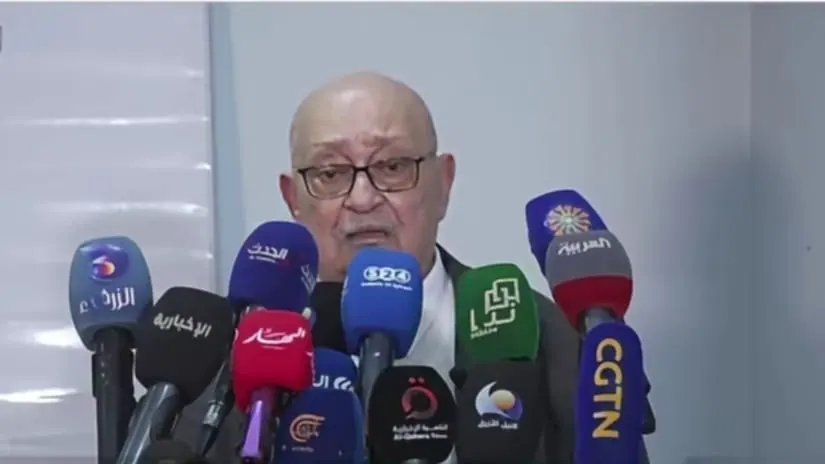
Member of the committee, Nabiel Adieb, revealed that the dialogue agenda will cover essential issues, including the democratic system, governance structure, and Sudanese identity. He emphasized that national unity is not up for negotiation, rejecting any potential division of the country. Adieb stressed that Sudan must remain a single state under one political authority.
Adieb highlighted that the dispute over governance structure and system differs from the issue of national unity. He noted that stakeholders can discuss governance-related issues within the framework of a single state. The committee's goal is to facilitate a constructive dialogue that addresses the country's challenges and paves the way for a more democratic system.
Regarding the governance system, Adieb stated that Sudan's experiences have shown that a centralized governance structure has not served the country's interests. He linked this to the escalation of rebellions, civil wars, and state fragmentation. The committee will propose decentralization as an option for discussion, with varying degrees and forms to be explored.
Adieb emphasized that Sudan, given its diversity, can only be governed within a democratic system. He clarified that the committee has not yet delved into the specifics of the democratic system but has established a fundamental principle: that political authority should be subject to the electorate through the ballot box. This will require reforms to existing laws.
The committee's proposals are preliminary, and the final decision rests with the stakeholders. Adieb explained that the decision-making process within the committee relies on consensus, with a relative majority achievable if consensus proves unattainable. This approach will enable the committee to proceed with its work in a collaborative manner.
This development coincides with the committee's readiness to transition from preparation to direct engagement with political and societal forces. The goal is to initiate a broad discussion on the country's future, governance structure, and democratic process. The committee's efforts aim to create a platform for constructive dialogue and pave the way for a more stable and democratic Sudan.
Key points
- The Sudanese dialogue committee begins inviting political alliances and parties to discuss the country's future and governance system.
- National unity is not up for negotiation, and Sudan must remain a single state under one political authority.
- The committee proposes decentralization as an option for discussion, with varying degrees and forms to be explored.