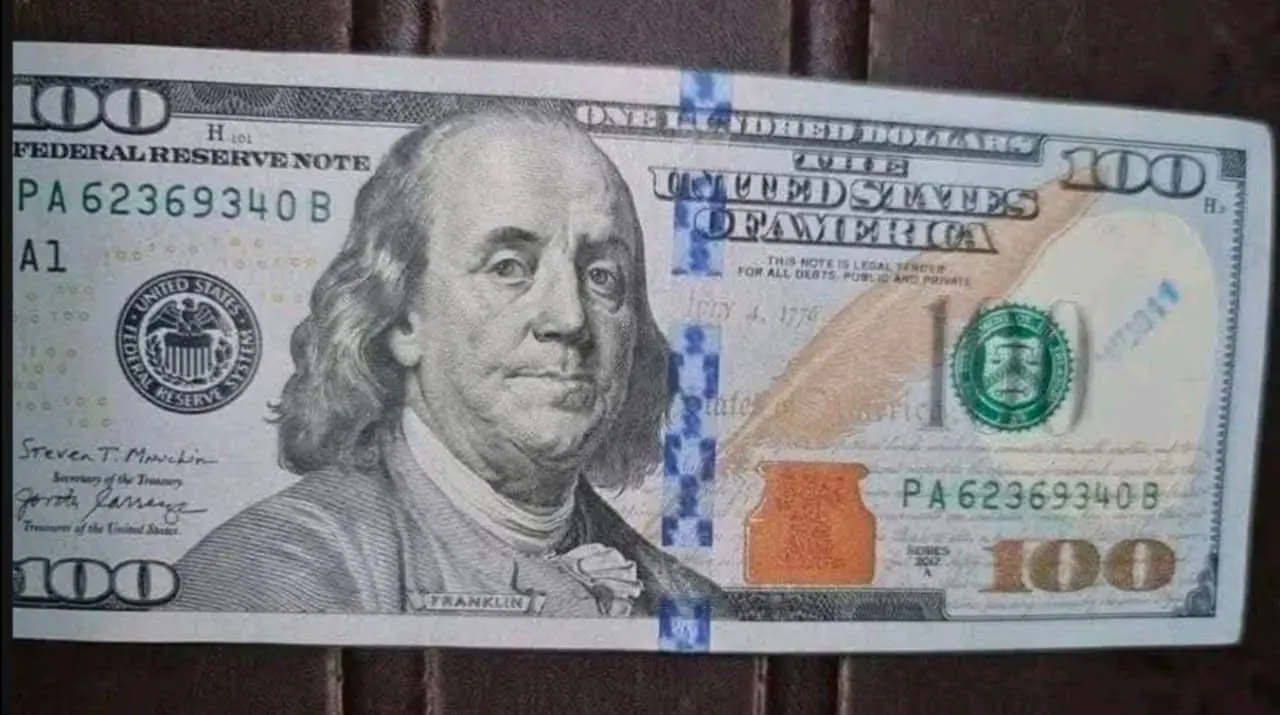
The US dollar exchange rate in Sudan's parallel market has dropped to 7,400 SDG, down from over 8,400 SDG last week. According to foreign exchange dealers, the decline is attributed to decreased demand. The Islamic Bank of Faisal set the dollar purchase price at 4,334 SDG. A commercial owner in Gezira State reported a relative decrease in prices, with wheat prices dropping to 16,000 SDG and animal feed prices decreasing from 170,000 to 140,000 SDG.
Economic analyst Ahmed bin Omar attributed the rapid decline in the dollar's value to an increase in the supply of foreign currency in the parallel market, coinciding with a relative calm in demand. The completion of several fuel-laden ships and improved supply chain have eased pressure on the foreign exchange market. Bin Omar noted that the announcement by Khartoum Bank to provide approximately $1 billion in circular financing for strategic goods imports has also contributed to the dollar's decline.
The financing provided by Khartoum Bank allows importers greater access to foreign currency through banking channels, reducing demand directed to the parallel market. This development, along with increased supply and decreased demand, has driven the exchange rate down. Bin Omar emphasized that the current decline can be attributed to several factors, including increased foreign currency supply, decreased demand, improved fuel imports, and new banking financing sources.
Despite the recent decline, bin Omar warned that the market needs time to stabilize before prices react clearly to the dollar's decrease. He noted that prices tend to move slower than exchange rates, as they include previous purchase costs, transportation, insurance, and financing fees. The impact of the dollar's decline will be more pronounced with the arrival of new shipments financed at lower exchange rates.
Finance Minister Dr. Gibriel Ibrahim stated that the ongoing conflict has severely affected the private sector, leading to a decline in GDP by over 40% in 2023-2024. The government has lost over 80% of its tax revenues, and oil and export earnings have ceased. Ibrahim emphasized that stability is crucial for the return of investment and economic activity.
The Sudanese government is working to establish a foundational and economic base. Ibrahim's statement highlights the challenges faced by the country and the importance of stability in reviving economic activity. The recent decline in the dollar's value may provide some relief, but the sustainability of this trend remains uncertain.
The parallel market's response to the government's efforts to stabilize the economy will be crucial in determining the future of the Sudanese pound. As the situation continues to unfold, the impact of the dollar's decline on the broader economy and the lives of Sudanese citizens will become clearer.
Key points
- The US dollar exchange rate in Sudan's parallel market has dropped to 7,400 SDG.
- The decline is attributed to decreased demand and increased supply of foreign currency.
- The sustainability of the dollar's decline remains uncertain without a fundamental solution.