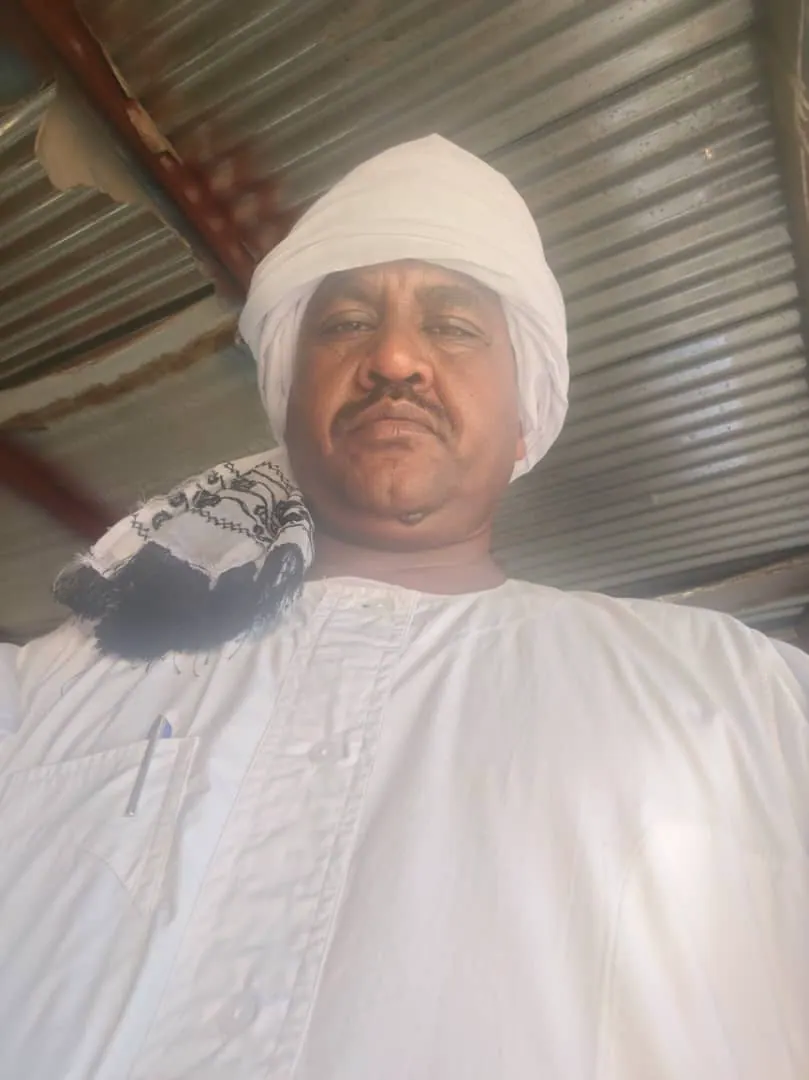
Farmers in Sudan's White Nile state are facing significant challenges, including high production costs, limited government support, and increasing difficulties in accessing essential inputs such as fuel, fertilizers, and pesticides. According to Ahmed Muhammad Musa Tirab, a farmer and investor in the region, the current situation is dire, with many farmers struggling to stay afloat. The government's withdrawal from the agricultural sector has left farmers to fend for themselves, with little to no support or guidance.
One of the major challenges facing farmers in White Nile is the high cost of fuel, which is essential for operating agricultural machinery. Tirab notes that fuel prices are high and often unavailable, forcing farmers to rely on the black market, where prices are even higher. This has led to increased production costs, making it difficult for farmers to turn a profit. Additionally, the cost of hiring machinery is also on the rise, further exacerbating the problem.
The cost of essential inputs such as fertilizers, seeds, and pesticides is also a significant burden on farmers. Tirab notes that these inputs are often in short supply, and when available, are sold at exorbitant prices. This has led to a situation where only those with the means to afford these inputs can continue to farm, while others are forced to abandon their land. The lack of government support and subsidies has made it difficult for farmers to access these essential inputs.
The multiple taxes and fees imposed on farmers are also taking a toll on the sector. Tirab notes that farmers are required to pay a range of taxes and fees, including those imposed by local authorities, the state, and other agencies. These costs are often incurred before farmers have had a chance to harvest their crops or realize any income, further exacerbating the financial strain.
Tirab is calling on the government to take urgent action to support the agricultural sector, including providing subsidized inputs and ensuring a fair price for crops. He notes that the sector is critical to the country's economy and food security, and that without government support, many farmers will be forced to abandon their land. This, he warns, will have far-reaching consequences for the country's food security and economy.
The situation is further complicated by the lack of irrigation projects and other infrastructure essential for farming. Tirab notes that many of the irrigation projects in the region are in disrepair, and that the government has not invested in new projects. This has left farmers reliant on rainfall, which is often unpredictable, and has limited their ability to expand their operations.
Tirab's concerns are echoed by many in the agricultural sector, who warn that without government support, the sector is likely to collapse. The consequences of this would be severe, with many farmers forced to abandon their land and seek alternative livelihoods. The government is urged to take urgent action to address the challenges facing the sector, including providing support to farmers and investing in essential infrastructure.
Key points
- The Sudanese government is urged to provide support to farmers in White Nile state, including subsidized inputs and fair prices for crops.
- The agricultural sector is critical to Sudan's economy and food security, and without government support, many farmers will be forced to abandon their land.
- The high cost of production, including fuel, fertilizers, and pesticides, is a major challenge facing farmers in White Nile state.