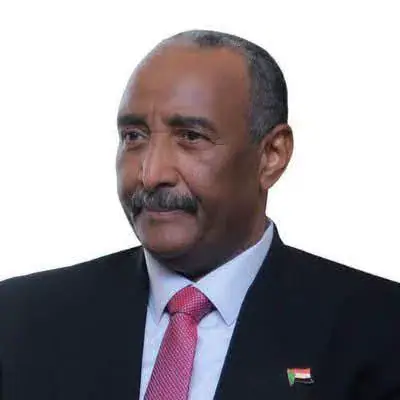
Sudan's Transitional Sovereign Council, led by General Abdel Fattah al-Burhan, has made a significant decision to allow eight qualified and accredited companies from the public and private sectors to import all petroleum products. This move is expected to boost the country's fuel supply and alleviate shortages. The decision was made during al-Burhan's visit to the Ministry of Oil and Strategic Fuel Reserves in Port Sudan.
The new policy will enable the importation of petroleum products through regular banking procedures and under the supervision of the Central Bank of Sudan. This development is expected to increase the availability of fuel in the country and reduce shortages. The decision is also seen as a step towards enhancing the strategic reserves of petroleum products in Sudan.
During his visit, al-Burhan was briefed on the efforts of the Sudanese Petroleum Institution to secure petroleum supplies and the progress of work at the strategic fuel reserves. The institution has been working to ensure a stable fuel supply in the country. The visit also provided an opportunity for al-Burhan to assess the current situation and identify areas for improvement.
In a related development, al-Burhan has directed the Sudanese Petroleum Institution to work towards securing sufficient strategic reserves of petroleum products. This move aims to ensure the stability of fuel supplies and prevent shortages in the country. The institution has been tasked with building up the country's strategic reserves to mitigate the impact of any future shortages.
The decision to allow private sector companies to import petroleum products is seen as a positive step towards addressing Sudan's fuel shortages. The country has been facing significant challenges in securing fuel supplies, which has had a negative impact on the economy and daily life. The new policy is expected to help alleviate these challenges and improve the overall situation.
The Transitional Sovereign Council's decision is also expected to promote competition in the fuel import market, which could lead to better prices and services for consumers. The council's move is seen as a step towards liberalizing the fuel market and creating a more favorable business environment.
The implementation of the new policy is expected to be closely monitored by the authorities to ensure its effectiveness and impact on the fuel market. The decision is a significant development in Sudan's efforts to address its fuel shortages and promote economic stability.
Key points
- Allowing private sector companies to import petroleum products to boost fuel supply
- Directive to secure strategic reserves of petroleum products to ensure stability
- New policy expected to promote competition in the fuel import market