Sudan's military leadership is reportedly making significant changes to the country's sovereign files. According to Radio Dabanga, the Chairman of the Sovereign Council and Commander-in-Chief of the army, Abdel Fattah al-Burhan, is expected to appoint Major General Ibrahim Jabr to oversee the economic file. Additionally, Major General Shams al-Din Kabbashi is expected to be appointed to oversee the energy and oil sector.
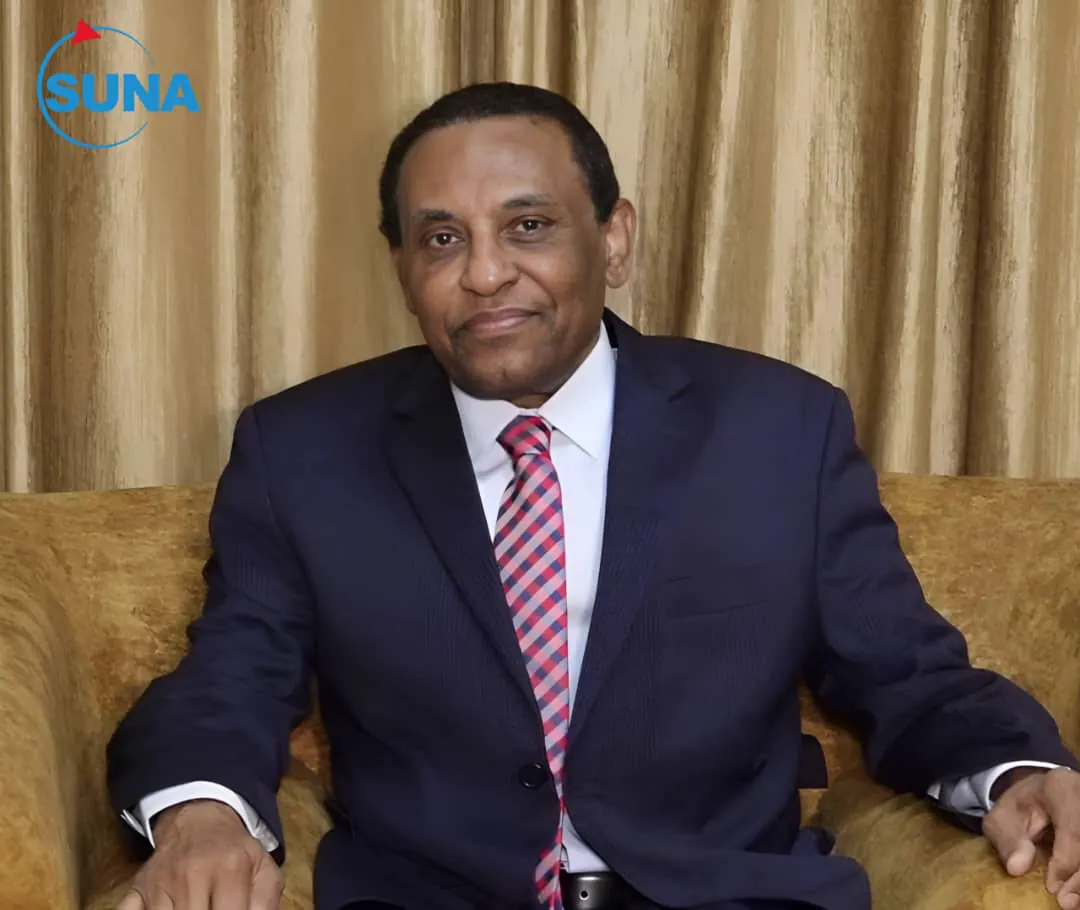
The appointments are seen as an effort to support the civilian government, led by Prime Minister Dr. Kamal Eddris. However, analysts say that the move also highlights the complexities and challenges facing the government. According to political analyst and journalist, Suhieb Hamid, the appointments are a recognition that academic experience alone is not enough to manage the country's affairs in the current exceptional circumstances.
The move has been interpreted as an attempt to address the country's deepening economic crisis. Sudan has been facing significant economic challenges, including a decline in the value of the Sudanese pound and a shortage of fuel and other essential commodities. The appointments are seen as an effort to bring in experienced military leaders to help manage these challenges.
However, the appointments have also raised concerns about the role of the military in the country's governance. According to Dr. Abdel Nasser Ali al-Faki, a political analyst and expert in international relations, the appointments highlight the complex power dynamics within the ruling authority. Dr. al-Faki says that the appointments are an effort to consolidate the military's control over key sectors of the economy.
The civilian government, led by Prime Minister Eddris, has been facing significant challenges in asserting its authority. The government has been criticized for its limited powers and its dependence on the military. The appointments are seen as an effort to address these challenges and to provide the government with the support it needs to manage the country's affairs.
The developments are also seen as a precursor to a potential peace process. According to analysts, the appointments may be part of a broader effort to create a more stable and secure environment in the country. This could involve negotiations with rebel groups and other stakeholders to bring an end to the country's conflicts.
The future of Sudan's civilian government remains uncertain. While the appointments are seen as an effort to support the government, they have also raised concerns about the role of the military in the country's governance. The country's international partners, including the African Union, are closely watching the developments and have emphasized the need for a peaceful and stable transition to civilian rule.
Key points
- The Sudanese military leadership is making key changes to the country's sovereign files, amid challenges facing the civilian government.
- The appointments are seen as an effort to support the civilian government and address the country's deepening economic crisis.
- The developments have raised concerns about the role of the military in the country's governance and the future of Sudan's civilian government.