The prisoner exchange initiative, proposed by UN Special Envoy to Sudan, Volker Perthes, seems to be facing significant hurdles. According to reports, the Rapid Support Forces (RSF) have rejected the plan, while the Sudanese government had previously agreed to it. The initiative aims to facilitate the release of prisoners and detainees held by both parties. The RSF's rejection has cast doubt on the feasibility of the plan.
The Sudanese government had established a committee to oversee the release of prisoners and detainees held by the RSF. The committee, formed in June, was tasked with negotiating the release of prisoners and facilitating the exchange of detainees. However, the RSF's rejection of the plan has stalled the process. The government's initiative was seen as a significant step towards addressing the humanitarian crisis in the country.
The RSF's rejection of the plan has been attributed to a lack of trust in the Sudanese government. The RSF's spokesperson, Ahmed Taked, stated that the group's leader, Mohamed Hamdan Daglo, had discussed the initiative with Perthes, but no agreement was reached. Taked expressed concerns about the fate of prisoners held by the Sudanese military, citing instances of extrajudicial killings.
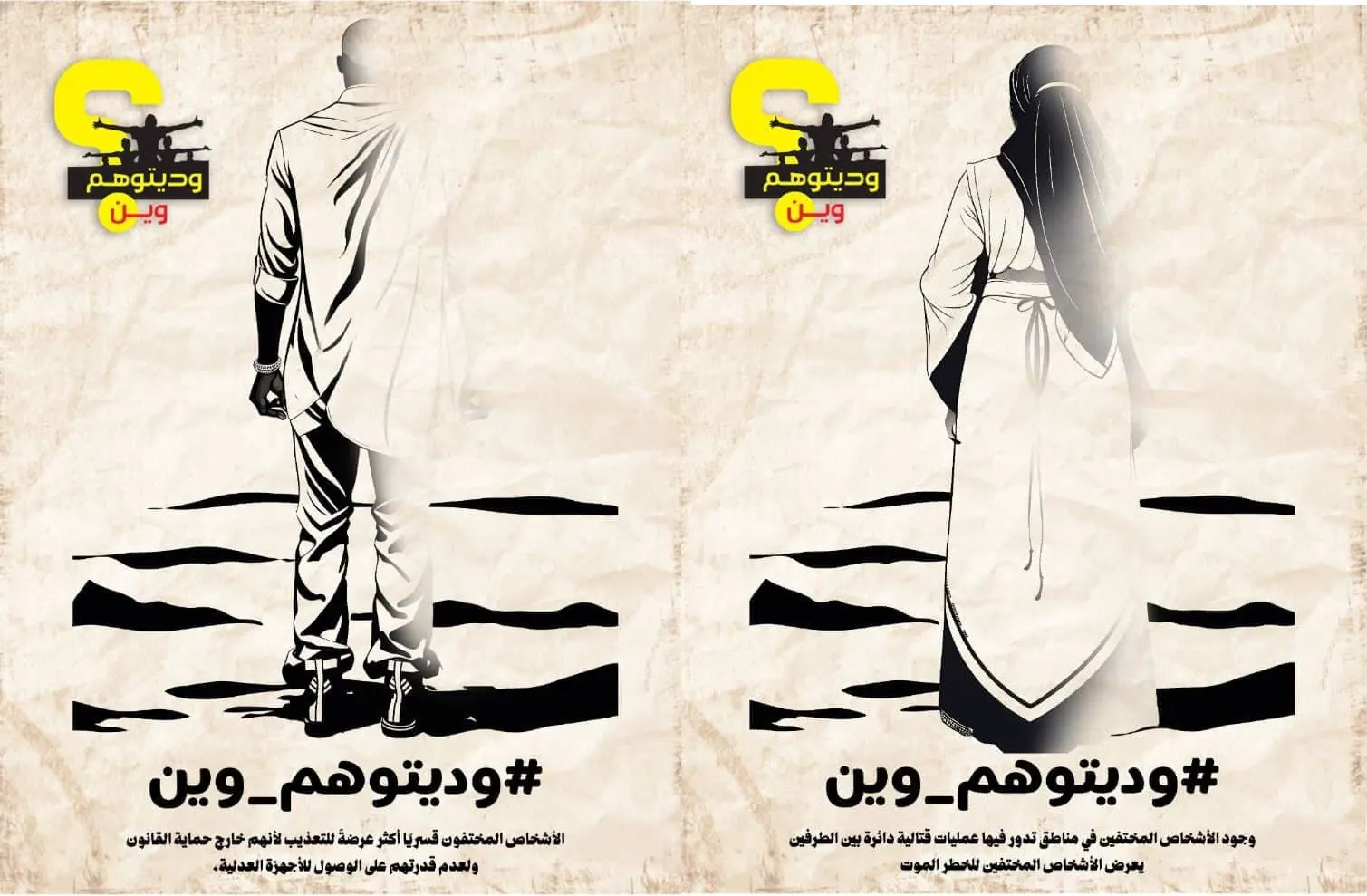
The issue of prisoners and detainees is a complex one, with many reported cases of enforced disappearances and arbitrary detention. The Sudanese police have reported receiving over 1,000 reports of missing persons, mostly believed to be held by the RSF. The police have launched investigations into these cases, but progress has been slow.
The humanitarian crisis in Sudan has been exacerbated by the ongoing conflict between the Sudanese military and the RSF. The conflict has resulted in significant displacement and humanitarian needs. The international community has been engaged in efforts to broker a peace agreement, but progress has been slow.
The UN has expressed concern about the humanitarian situation in Sudan and has called for all parties to respect international humanitarian law. The UN's humanitarian agency, OCHA, has reported significant needs in terms of food, shelter, and medical care. The agency has appealed for increased funding to support its operations in the country.
The Sudanese government has faced criticism for its handling of the humanitarian crisis. Human rights groups have accused the government of committing human rights abuses, including enforced disappearances and extrajudicial killings. The government has denied these allegations, but the situation remains dire.
Key points
- The RSF's rejection of the prisoner exchange initiative has stalled the process.
- The Sudanese government had previously agreed to the initiative, but the RSF's rejection has cast doubt on its feasibility.
- The issue of prisoners and detainees is a complex one, with many reported cases of enforced disappearances and arbitrary detention.