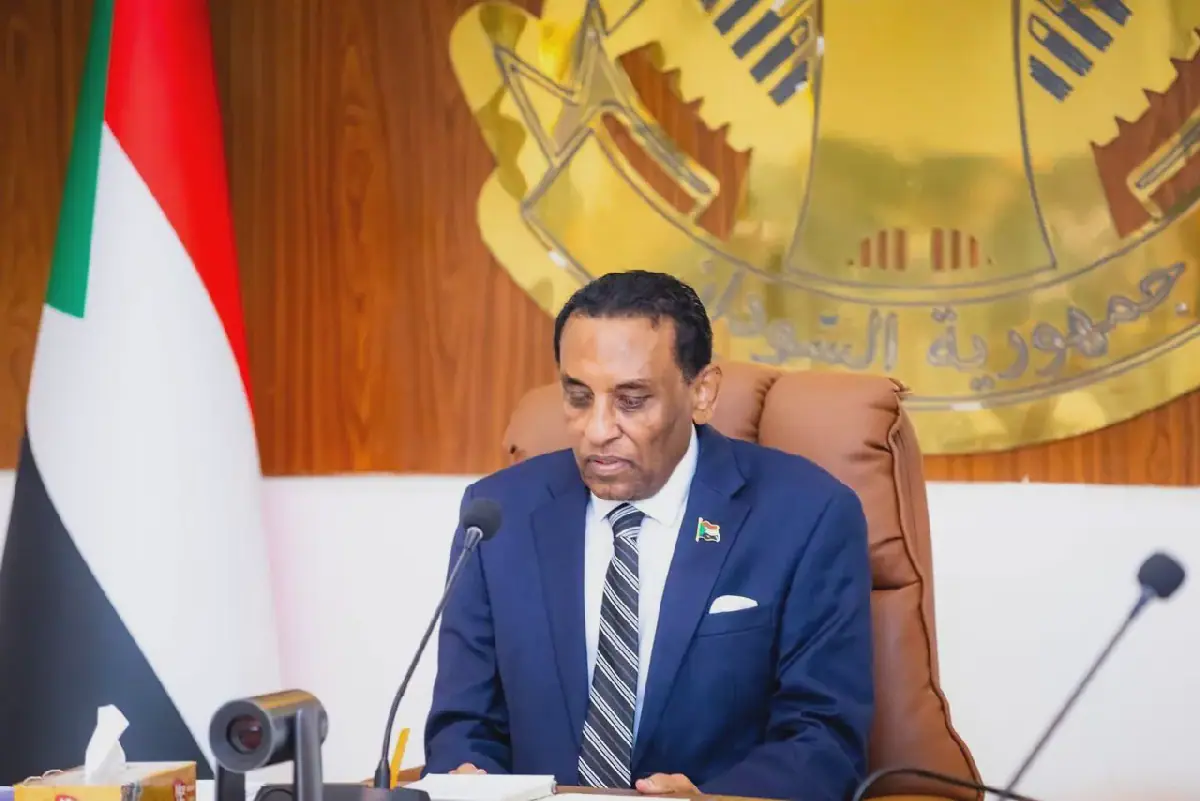
On Monday, October 27, 2026, Sudan's Prime Minister, Professor Kamil Abdelrahman Idris, issued a decision to exempt several basic food items from customs and taxes, including value-added tax. This move aims to alleviate living burdens and provide essential goods to citizens. According to the Council of Ministers' media, exempted items include flour, lentils, rice, Egyptian fava beans, cooking oils, beans, chickpeas, and peas.
The Prime Minister's decision also involves lifting the import ban on certain food items and other goods, although the statement did not provide a comprehensive list of the items affected by this decision. Relevant authorities, including the Ministries of Finance, Industry, and Trade, as well as customs and intelligence agencies, have been directed to take necessary measures to implement the decision.
This development comes at a time when the government is under pressure to provide essential goods and reduce import costs, given the economic challenges faced by citizens. The decision is expected to help mitigate these challenges, but further details on the implementation timeline and duration of the exemptions have not been disclosed.
The list of exempted items is seen as a crucial step towards addressing the country's food security concerns. By making these essential goods more affordable, the government hopes to improve the standard of living for its citizens. However, the impact of this decision on the broader economy and the availability of these goods in the market remains to be seen.
Sudan has been facing significant economic challenges in recent years, including high inflation and a shortage of foreign currency. The government's efforts to address these issues have been ongoing, with a focus on promoting economic growth and stability. The latest decision is part of these efforts, aimed at improving the business environment and enhancing food security.
The decision to exempt basic food items from customs and taxes is also expected to have a positive impact on low-income households, who often struggle to afford these essential goods. By reducing the cost of living, the government hopes to improve the overall well-being of its citizens and promote economic stability.
The implementation of this decision will be closely watched by citizens, businesses, and economic analysts, who will assess its impact on the economy and the availability of essential goods in the market. The government's commitment to addressing economic challenges and promoting growth will be crucial in determining the success of this initiative.
Key points
- Sudan's Prime Minister Kamil Abdelrahman Idris exempts basic food items from customs and taxes to alleviate living burdens and provide essential goods to citizens.
- The decision also lifts the import ban on certain food items and other goods, aiming to promote economic growth and stability.
- The move is expected to have a positive impact on low-income households and the overall economy, but its implementation and impact will be closely monitored.