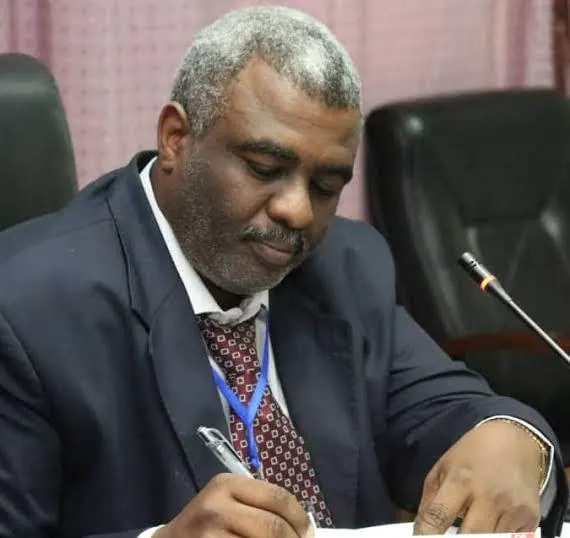
Sudan's Prime Minister, Dr. Abdalla Hamdok, recently visited a fuel station in Khartoum to assess the situation firsthand. The visit was intended to reassure citizens that fuel was available, but it ended up highlighting the challenges faced by the government in addressing the crisis. During the visit, the Prime Minister was seen measuring fuel levels in a storage tank, accompanied by a station attendant.
The Prime Minister's visit was meant to showcase the government's efforts to address the fuel shortage, but it had an unintended effect. While he was measuring fuel levels, citizens were waiting in long lines to refuel, highlighting the ongoing struggles they face in accessing fuel. The scene sparked criticism that the Prime Minister was out of touch with the reality on the ground.
The fuel crisis in Sudan is not just about availability, but also about distribution and access. Citizens are frustrated with the long lines and uncertainty about whether they will be able to refuel. The Prime Minister's visit did not address these concerns, leading to accusations that he was not taking the crisis seriously.
The incident has sparked comparisons with a previous incident involving Wajdi Saleh, a government official who was mocked for sitting on a motorcycle while visiting a fuel station. The similarity between the two incidents has led to criticism that the government is not learning from its mistakes.
The Prime Minister's office has been accused of poor planning and a lack of understanding of the crisis. The visit was seen as a photo opportunity rather than a genuine attempt to address the issue. The government needs to take a more nuanced approach to addressing the fuel crisis, including acknowledging the challenges faced by citizens and providing concrete solutions.
The fuel crisis is just one of the many challenges facing Sudan, which is struggling to recover from years of conflict and economic instability. The government needs to prioritize the needs of its citizens and provide effective solutions to the crisis. This includes improving the distribution of fuel and ensuring that citizens have access to it.
The Prime Minister's handling of the fuel crisis has raised questions about his leadership and ability to address the country's challenges. The government needs to take a more proactive and responsive approach to addressing the crisis, including engaging with citizens and providing clear information about its plans to address the issue.
Key points
- The Prime Minister's visit to a fuel station in Khartoum highlighted the challenges faced by the government in addressing the fuel crisis.
- The incident sparked criticism that the Prime Minister was out of touch with the reality on the ground.
- The government needs to take a more nuanced approach to addressing the fuel crisis, including acknowledging the challenges faced by citizens and providing concrete solutions.