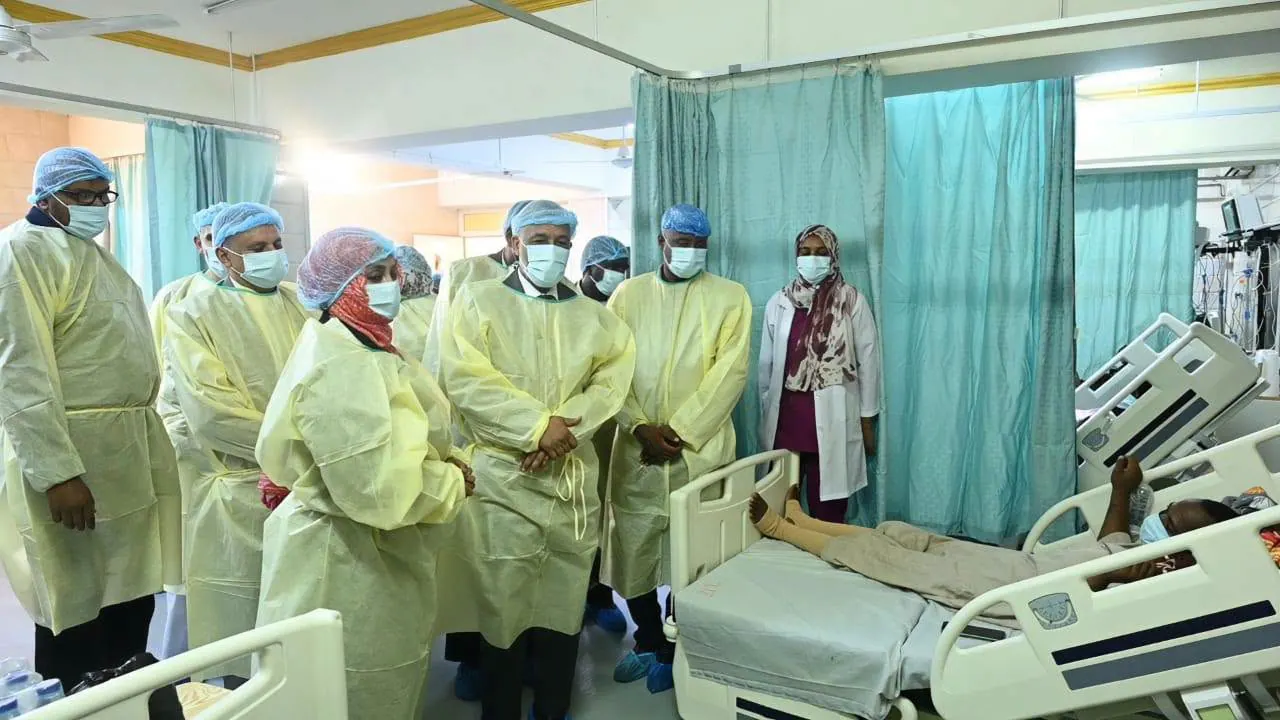
The war in Sudan has led to a catastrophic crisis for medical equipment, with widespread destruction and looting of infrastructure, hospitals, and medical devices. The Sudanese Ministry of Health estimates that the losses and damage to healthcare facilities, medical equipment, ambulances, and drug warehouses amount to approximately $11 billion. This situation has severely impacted the country's ability to import essential medical equipment.
According to Dr. Ammar Malik, director of Samaat Medical Company, the war has imposed significant challenges on Sudan's medical equipment and device sector, directly affecting import operations and supply chains. The reduction in shipping options has led to increased costs and difficulties in importing medical equipment, forcing companies to use limited routes and options compared to pre-war times.
Dr. Malik highlighted that the closure of ports during the early stages of the war was a major challenge for companies, making it difficult to import medical equipment into the country. Additionally, security and logistical difficulties have impacted import operations. Despite these challenges, companies have continued to operate in safe states and regions, focusing on providing medical supplies to those areas.
The limited availability of civilian air transport has further complicated the import of medical equipment via air freight. Prior to the war, companies relied on international airlines and specialized air freight lines at lower costs. Now, they depend more on airlines connected to Sudan, including Tarco, Badr, and Sudan Airways. This shift has increased costs and reduced the efficiency of medical equipment imports.
The ongoing crises and wars in the region and globally have also affected shipping movements and costs. However, the war in Sudan has had a more significant impact on air freight, while regional and global events have influenced sea freight levels and costs. The challenges of restoring activities in Khartoum after regaining control of large parts of the city have included reopening headquarters, warehouses, and commercial activities.
The medical equipment import crisis has significant implications for Sudan's healthcare system, which is struggling to provide essential services to its population. The Ministry of Health and medical equipment suppliers are working to address these challenges and restore the flow of medical supplies. However, the situation remains critical, and sustained efforts are needed to resolve the crisis.
The Sudanese government and international organizations are urged to provide support to address the medical equipment shortage and rebuild the country's healthcare infrastructure. This assistance is crucial to ensuring the continued provision of healthcare services and saving lives. The international community's response to this crisis will be critical in determining the future of Sudan's healthcare system.
Key points
- The war in Sudan has caused an estimated $11 billion in losses and damage to healthcare facilities and medical equipment.
- Rising shipping costs and limited air freight options have severely impacted the import of medical equipment in Sudan.
- The crisis has significant implications for Sudan's healthcare system, which is struggling to provide essential services to its population.