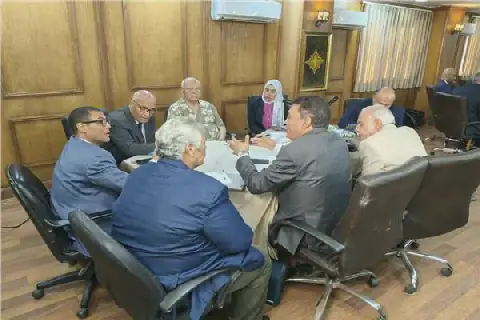
The National Kidney Center in Sudan has reaffirmed its commitment to providing equitable access to kidney care services across the country. According to Dr. Marwan Al-Hadi Ali, the center's director, they are working to support state-based dialysis centers with medical equipment, medications, and supplies for patients. This move aims to alleviate the burden on patients seeking treatment outside the country.
Dr. Marwan announced that free kidney transplant services will be available in three hospitals: East Nile, Ahmed Qasim, and Madani hospitals. He commended the efforts of the Government of the state of Gedaref in supporting dialysis services and acknowledged the role of the Gedaref and Faw dialysis centers in providing services to patients and displaced individuals.
The expansion of kidney transplant services is seen as a crucial step in addressing the needs of patients with end-stage renal disease. Dr. Marwan emphasized that this development will help reduce the need for patients to travel abroad for treatment. His visit to Gedaref aimed to assess the current state of dialysis services and identify technical and operational requirements for service improvement.
During his visit, Dr. Marwan highlighted the alarming rate of kidney failure among young people, citing that 65% of cases occur in this demographic. He stressed the importance of intensifying awareness and prevention programs to mitigate the risk factors associated with kidney disease. The meeting also underscored the need for training and capacity-building programs for medical professionals.
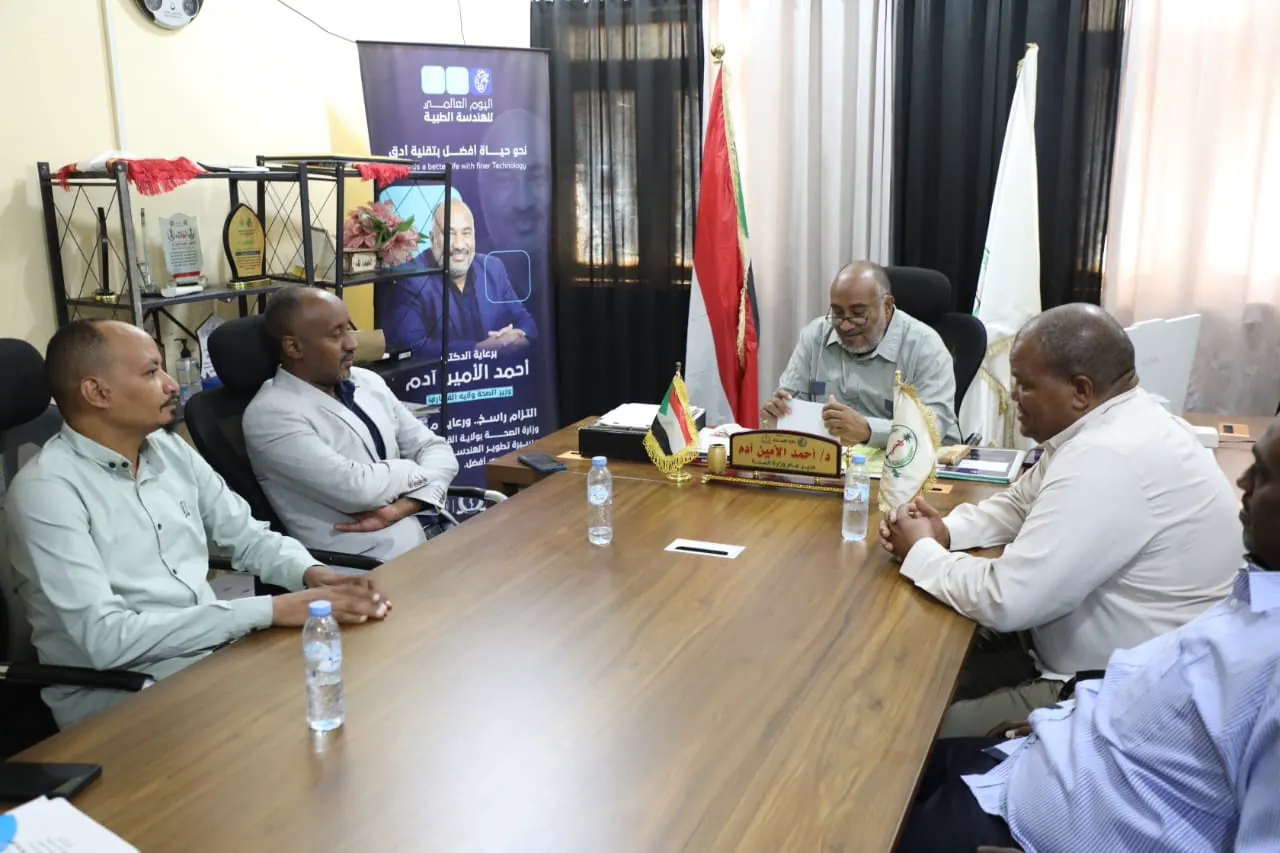
The Director General of the Gedaref Ministry of Health, Dr. Ahmed Amin Adam, reiterated the government's commitment to supporting and developing dialysis services. He noted that efforts have been made to establish dialysis centers in Gedaref, Faw, and Shuwak, with plans to expand services to Duka and Hawata. This expansion aims to provide geographical distribution of services based on population density.
Dr. Ahmed Amin announced plans to establish a specialized kidney transplant center in Gedaref as part of the state's healthcare recovery plan for 2027-2030. Meanwhile, Dr. Ahmed Bashir Abbas, Director General of the Gedaref Kidney and Urology Hospital, acknowledged the significant burden on the state in providing dialysis services during the displacement crisis.
The government's efforts to support kidney care services have been complemented by community involvement. The existing dialysis centers have continued to provide services to patients and displaced individuals. With the introduction of free transplant services, Sudan aims to address the growing need for kidney care and alleviate the financial burden on patients.
Key points
- Free kidney transplant services to be provided in three hospitals
- 65% of kidney failure cases occur among young people
- Sudan's healthcare system expanding dialysis services nationwide