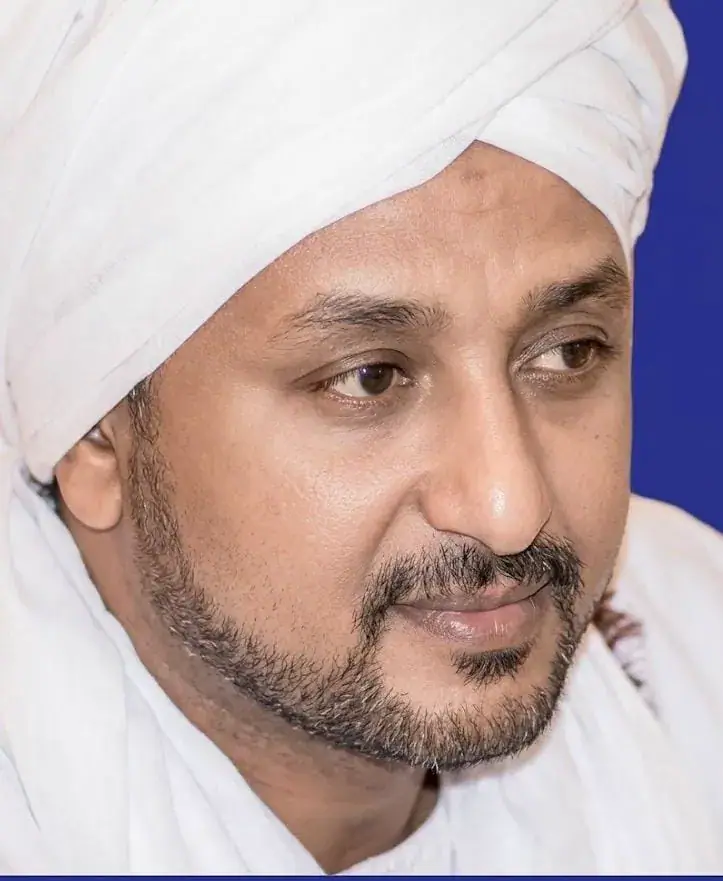
Sudan's 'Government of Hope', led by Dr. Kamal Eddris, has failed to alleviate the suffering of its citizens, over a year and a half into its tenure. Despite initial promises to rebuild the country and address the humanitarian crisis, the government's inability to manage the economy and provide basic services has left many citizens struggling to survive. The Sudanese pound has plummeted in value, with inflation soaring and essential goods becoming increasingly unaffordable.
The economic crisis has had a devastating impact on daily life, with many families struggling to access basic necessities like food and medicine. The government's failure to control the market, curb dollar smuggling, and manage the economy has led to a sharp decline in the value of the Sudanese pound. The situation has been exacerbated by the ongoing conflict, which has destroyed infrastructure, displaced people, and disrupted economic activity.
The humanitarian crisis is worsening, with many citizens forced to rely on charitable assistance to get by. The government's inability to protect its citizens, particularly in the face of attacks and human rights abuses, has raised concerns about its effectiveness. Meanwhile, ministers and high-ranking officials appear to be living in luxury, with many enjoying expensive cars, upscale housing, and foreign travel.
The government's failure extends beyond the economic and security realms, with basic services like healthcare, education, and infrastructure in disarray. Many schools and hospitals are operating with minimal resources, while roads, bridges, and other critical infrastructure are in disrepair. The lack of access to essential services has further exacerbated the humanitarian crisis.
The situation has sparked calls for the government's resignation, with many arguing that it has failed to meet its basic obligations to citizens. The opposition has highlighted the need for a functioning parliament to hold the government accountable, but the current power vacuum has hindered efforts to address the crisis. The Constitutional Court has a critical role to play in resolving the crisis.
Dr. Kamal Eddris, the Prime Minister, has been criticized for his government's handling of the crisis. Despite his academic and legal background, he has been accused of lacking the practical experience and vision needed to lead the country through this challenging period. The government's policies and decisions have been widely criticized, with many arguing that they have exacerbated the crisis.
As the situation continues to deteriorate, there are growing concerns about the country's future. With many citizens losing hope, there are increasing calls for change. The government must take urgent action to address the economic crisis, provide basic services, and restore the trust of its citizens. Ultimately, the government's ability to deliver on its promises will determine its legitimacy and effectiveness.
Key points
- Sudan's economic crisis has deepened, with the Sudanese pound losing significant value.
- The government's inability to provide basic services has exacerbated the humanitarian crisis.
- Calls for the government's resignation have grown, amid accusations of incompetence and failure to address the crisis.