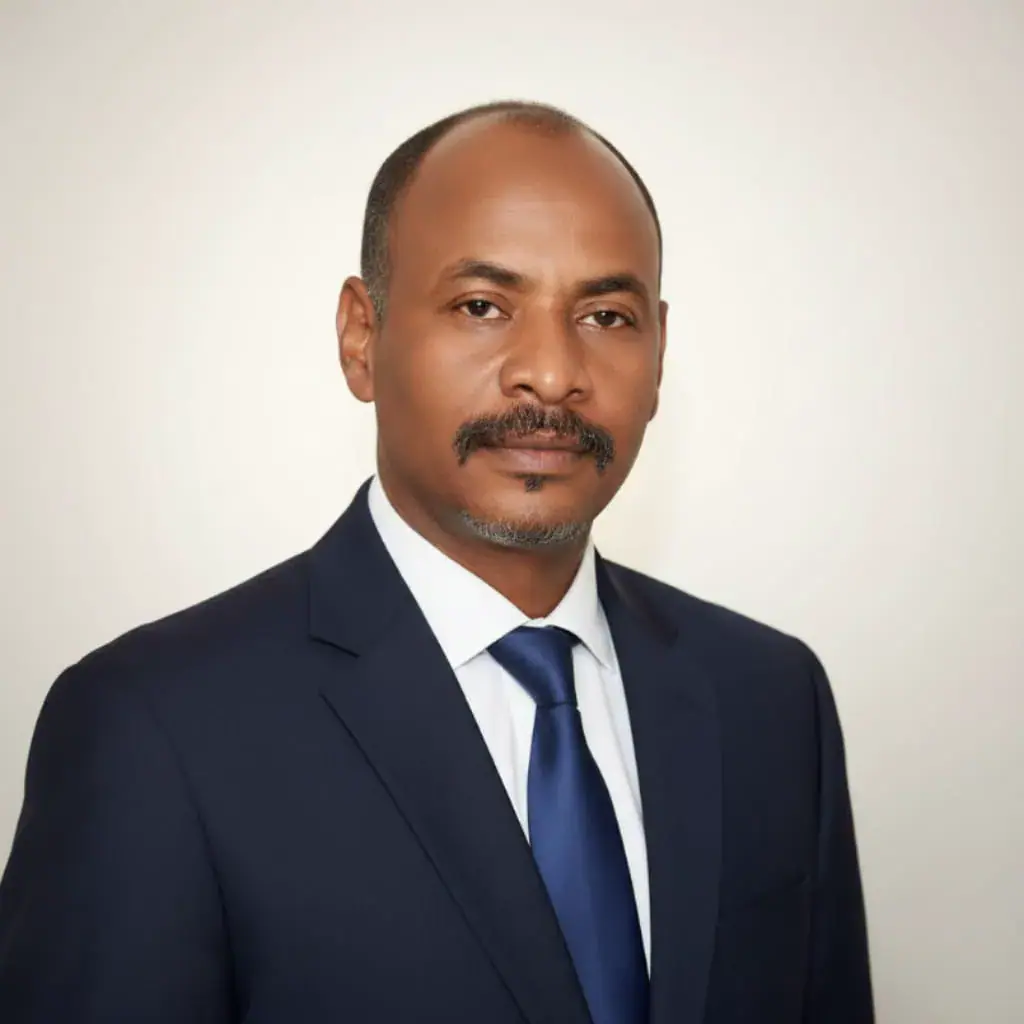
The finance ministry of Sudan's Gezira state has demonstrated resilience in managing resources and delivering essential services despite the challenges posed by the ongoing war. The state's experience serves as a notable example of effective governance under difficult circumstances. With the country's economic and social structures severely impacted, the ministry has prioritized the allocation of resources to vital sectors such as healthcare, education, and infrastructure. By focusing on these areas, the ministry aims to stabilize the state's operations and support its citizens.
Following the liberation of the state and the restoration of its institutions, the ministry faced the daunting task of providing resources to reactivate critical facilities. This included ensuring the availability of funds for salary payments and administrative expenses to maintain the continuity of state institutions. The situation required a strategic approach to resource management, prioritizing essential services, and seeking innovative solutions to address the state's financial constraints. The ministry's efforts have been geared towards achieving a balance between meeting immediate needs and planning for long-term recovery and development.
A key area of focus for the ministry has been the provision of solar energy units to support critical institutions, particularly in the health and education sectors. Over 3,000 solar energy units have been supplied to help alleviate electricity supply issues, reflecting a pragmatic response to the challenges of providing reliable power. This initiative underscores the importance of adopting sustainable and practical solutions to support service delivery in critical sectors. By investing in renewable energy sources, the ministry aims to reduce reliance on costly energy solutions and promote more efficient use of resources.
The education sector has also been a priority, with the ministry procuring 6,000 units of school furniture at a cost of approximately 12 billion Sudanese pounds. This investment is crucial for creating a conducive learning environment and enabling students to return to school. The initiative highlights the ministry's commitment to supporting the education sector, which has been severely impacted by the conflict. By addressing the basic needs of schools, the ministry aims to facilitate the resumption of educational activities and promote stability in the sector.
The issue of employee salaries and pensioners' benefits has been a pressing concern, given its direct impact on the livelihoods of families and the overall stability of the state's administrative apparatus. The ministry has made efforts to address some of the outstanding payments and obligations using the state's own resources. This approach seeks to mitigate the financial burdens on employees, retirees, and the broader community, while ensuring the continuity of essential services. However, sustaining these efforts requires stable resources and clear financial planning, in addition to coordination with federal authorities.
Effective financial management in times of crisis involves not only revenue generation but also the reprioritization of expenditures, focusing on essential needs, and promoting transparency and accountability in public finance management. The ministry's experience highlights the importance of a well-planned budget that balances competing demands and allocates resources efficiently. As the state looks to the future, the development of budgets for 2026 and 2027 will be critical in supporting recovery and reconstruction efforts, while ensuring that resources are allocated in a manner that maximizes their impact.
The capacity-building of staff within the ministry has been recognized as a vital component of its strategy to enhance performance and adapt to the changing environment brought about by the conflict. Training programs and workshops have been implemented to improve financial and administrative skills, enhance work processes, and promote the use of digital tools in government transactions. These initiatives are essential for building a resilient and effective public administration that can support the state's recovery and development objectives.
Key points
- The ministry's efforts to manage resources and provide basic services have been critical in supporting the state's stability and recovery.
- The adoption of solar energy units and school furniture procurement have been key initiatives in supporting service delivery in critical sectors.
- The ministry's experience highlights the importance of effective financial management, capacity-building, and strategic planning in times of crisis.