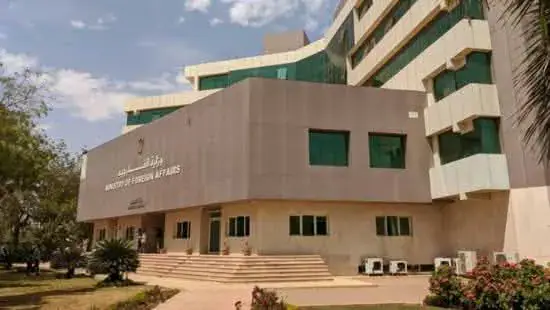
The Sudanese Ministry of External Affairs and International Cooperation recently released a press statement reassuring the public that the country's food situation is stable. According to the ministry, the strategic food reserve and ongoing agricultural operations will ensure the country's food needs are met, bringing stability to local communities nationwide. This assertion counters claims of an impending famine in Sudan. The government welcomes humanitarian aid from international donors and organizations but emphasizes its efforts to provide food and medicine despite the challenges of war.
The ministry stated that Sudan faced significant damage to its infrastructure, strategic reserves, and agricultural production due to the ongoing conflict. Many citizens were displaced from agricultural areas, but the government asserts that no famine has occurred. The ministry also mentioned that it is working to assess the impact of reduced rainfall in some areas due to the El Niño phenomenon and climate change. These efforts aim to address food shortages in affected regions promptly.
The Sudanese government expressed concern over attempts by some countries and organizations to use the humanitarian situation for political gain. The ministry views these efforts as an attempt to impose conditions for a settlement under the guise of a humanitarian ceasefire. The government believes this could embolden the Rapid Support Forces (RSF) to commit further atrocities and crimes. The ministry cited incidents in El Fasher and El Geneina as examples.
The External Affairs Ministry criticized what it described as a political project by some Western countries. This project allegedly uses the humanitarian situation as a tool for political settlement, which the government sees as an attempt to prevent the RSF from suffering further defeats. The ministry argued that negotiating under these circumstances, with the RSF still controlling parts of the country, would contradict the Jeddah Declaration.
The Sudanese government reaffirmed its commitment to cooperating with humanitarian agencies while rejecting the politicization of aid. The ministry emphasized that it will continue to protect civilians and provide relief to those in need, prioritizing the interests of the Sudanese people and maintaining national security, unity, and sovereignty.
The ministry highlighted the government's efforts to facilitate the delivery of humanitarian aid to all regions, including areas under RSF control. This includes providing visas for humanitarian workers and ensuring the smooth movement of aid through agreed-upon corridors, airports, and border crossings.
The Sudanese Ministry of External Affairs concluded by emphasizing the government's rejection of using humanitarian aid for political objectives or as a cover for financing the RSF. The ministry stressed the government's responsibility to protect citizens and provide relief while preserving Sudan's sovereignty and territorial integrity.
Key points
- The Sudanese government has assured the public that the country's food situation is stable.
- The government has accused some countries and organizations of attempting to politicize humanitarian aid.
- The ministry has reaffirmed Sudan's commitment to cooperating with humanitarian agencies while rejecting the politicization of aid.