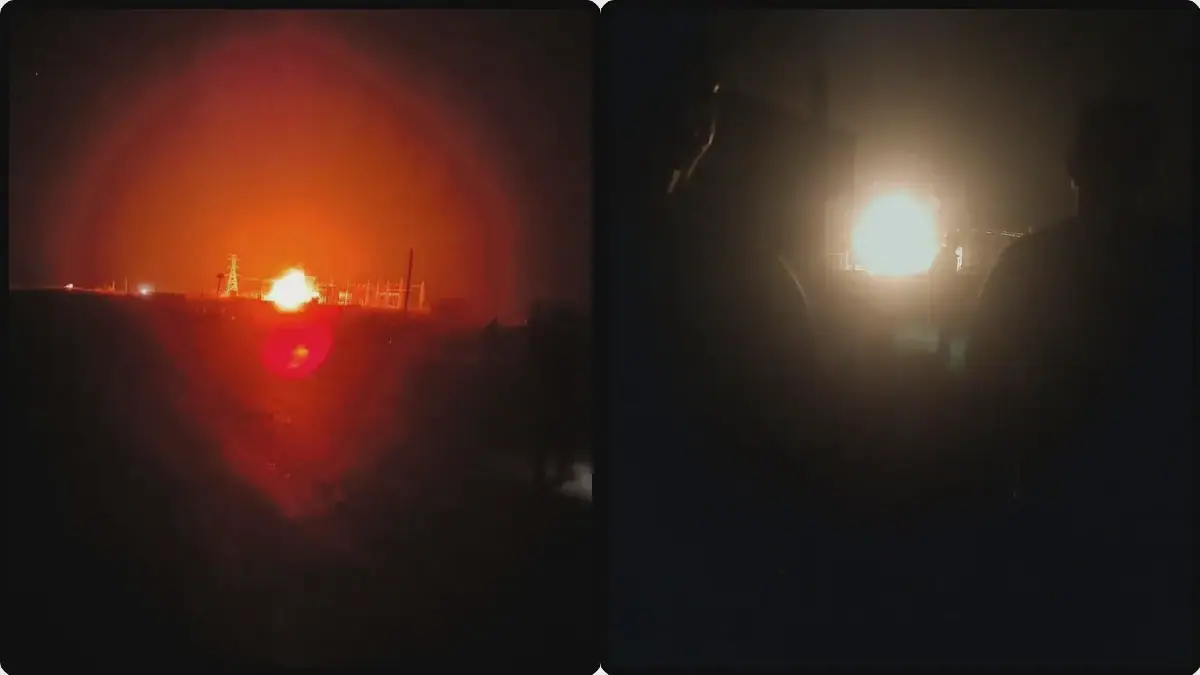
Sudan's energy infrastructure has come under attack by drones, with the latest targets being in the eastern part of the country. The attacks, which have been ongoing since October 20, have now reached the state of Kassala, with reports of drones targeting facilities in Halfa al-Jadida and Aroma. The nature of the targeted facilities and the extent of the damage are not yet clear.
The attacks on energy infrastructure have been escalating over the past few weeks, with 15 power plants in nine states targeted between October 20 and November 1. The attacks have resulted in significant damage to the power grid, with several power plants forced out of service. The Sudanese government and media reports have attributed the attacks to the Rapid Support Forces (RSF).
The first wave of attacks began on October 20, with the targeting of the Tindalti power plant in the White Nile state. This was followed by a series of coordinated attacks on five power plants on October 26, including those in Sennar, Al-Faw, and Al-Jazeera states. The attacks caused significant damage to the power grid and resulted in widespread power outages.
The attacks have not been limited to power plants, with other energy infrastructure also targeted. On October 29, the Am Debaker power plant in the White Nile state was attacked, resulting in significant damage to the plant's equipment. The attacks have also targeted fuel storage facilities and other energy-related infrastructure.
The attacks on energy infrastructure have had significant impacts on the country's economy and daily life. The power outages have affected not only households but also critical infrastructure such as hospitals, water treatment plants, and agricultural facilities. The attacks have also had significant economic impacts, with many businesses forced to close due to the lack of power.
The international community has expressed concern over the attacks on energy infrastructure, with the US-based Associated Press news agency reporting that the attacks have affected power supplies, water, and commercial activities. The agency also reported that the attacks have had significant impacts on the country's healthcare and agricultural sectors.
The Sudanese government has condemned the attacks, but there has been no official comment from the RSF. The attacks have raised concerns about the security of the country's energy infrastructure and the potential for further escalation. The situation remains volatile, with many fearing that the attacks could have long-term impacts on the country's economy and stability.
Key points
- The attacks on energy infrastructure have been attributed to the Rapid Support Forces (RSF).
- The attacks have resulted in significant damage to the power grid, with several power plants forced out of service.
- The attacks have had significant impacts on the country's economy and daily life, including power outages, disruptions to water and healthcare services, and economic losses.