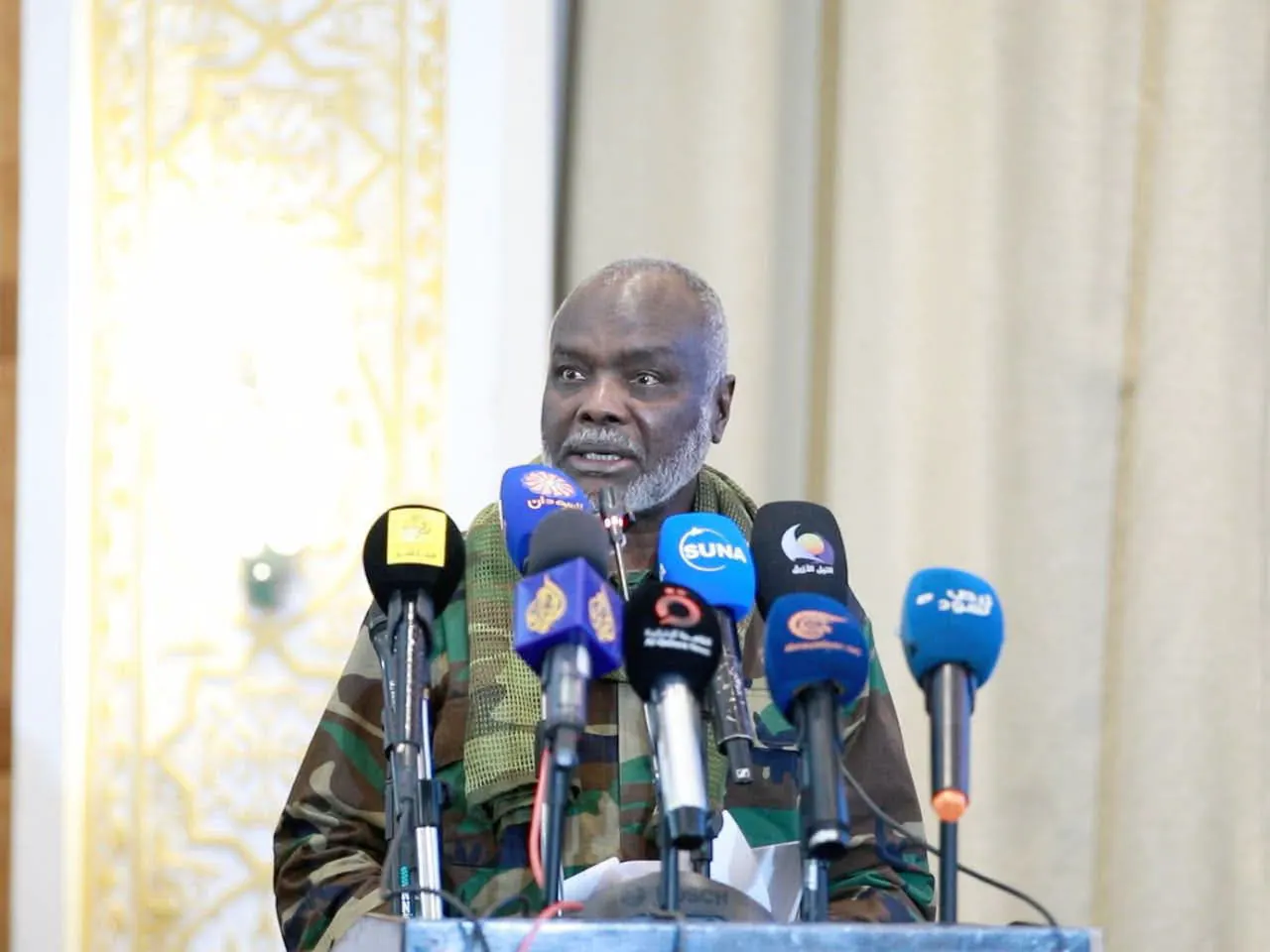
Sudan's Minister of Finance and Economic Planning, Dr. Gibreel Ibrahim, announced that the country's economy has transitioned from a phase of "survival during wartime" to a phase of "recovery and rebuilding." The economy recorded a positive growth rate of 1.7% in 2025, following a significant contraction of over 40% in 2023 and 2024. This shift in the economy's trajectory coincides with improved security conditions in several states.
The Minister made this announcement at the Economic Dialogue Conference for the Sudanese Private Sector, attended by ministers, heads of government units, representatives of UN agencies, business leaders, and local and foreign investors. Dr. Ibrahim highlighted that the improvement in macroeconomic indicators is reflected in the decline in the inflation rate from 176% in 2024 to 99% in 2025. The government aims to reduce the average annual inflation rate to less than 60% in 2026.
According to Dr. Ibrahim, the severe contraction experienced by the economy during the war years resulted from significant damage to infrastructure, public revenues, and foreign trade. However, 2025 marked a turning point towards recovery, as indicated by the presented economic indicators. The Minister attributed this positive shift to the government's efforts to implement comprehensive financial and structural reforms.
As part of the economic reform plan, Dr. Ibrahim revealed that the government will implement a package of financial and structural reforms aimed at reducing financial leakage and rationalizing public spending. This will be achieved through the digitization of government payments and collections, as well as the development of invoicing and financial transaction systems. These measures are expected to enhance collection efficiency and strengthen the state's control over public finances.
Dr. Ibrahim emphasized that achieving sustainable economic recovery requires a strategic partnership with the private sector, which he described as the primary driver of production, investment, and job creation. He identified the agricultural sector as a promising area for driving the recovery process, citing Sudan's natural resources and competitive advantages.
The Minister's statements reflect the government's efforts to revitalize the economy and create a favorable business environment. The participation of various stakeholders, including private sector representatives and international organizations, in the Economic Dialogue Conference underscores the importance of collaboration in Sudan's economic recovery.
The Sudanese government's commitment to implementing economic reforms and promoting partnership with the private sector is crucial for the country's future growth and development. With a focus on sectors like agriculture, Sudan aims to leverage its resources and competitive advantages to drive economic recovery and improve living standards for its citizens.
Key points
- Sudan's economy recorded 1.7% growth in 2025 after over 40% contraction in 2023 and 2024.