The economic situation in Sudan continues to deteriorate, with the Sudanese pound losing nearly half its value against the US dollar since the start of summer in areas controlled by the army. As of September 2026, the dollar was trading at around 7,500 Sudanese pounds on the parallel market, compared to 4,100 in May and around 600 pounds before the war. This decline in the value of the pound has led to a significant increase in the cost of imports.
The decrease in the value of the Sudanese pound and the rise in fuel prices have resulted in higher transportation and operating costs, which are reflected in the prices of goods and services. The purchasing power of Sudanese citizens has declined, with rising prices not being matched by corresponding increases in wages and incomes. According to the Sudanese Finance Minister, Jibril Ibrahim, the economic situation is difficult, but the public understands the challenges.
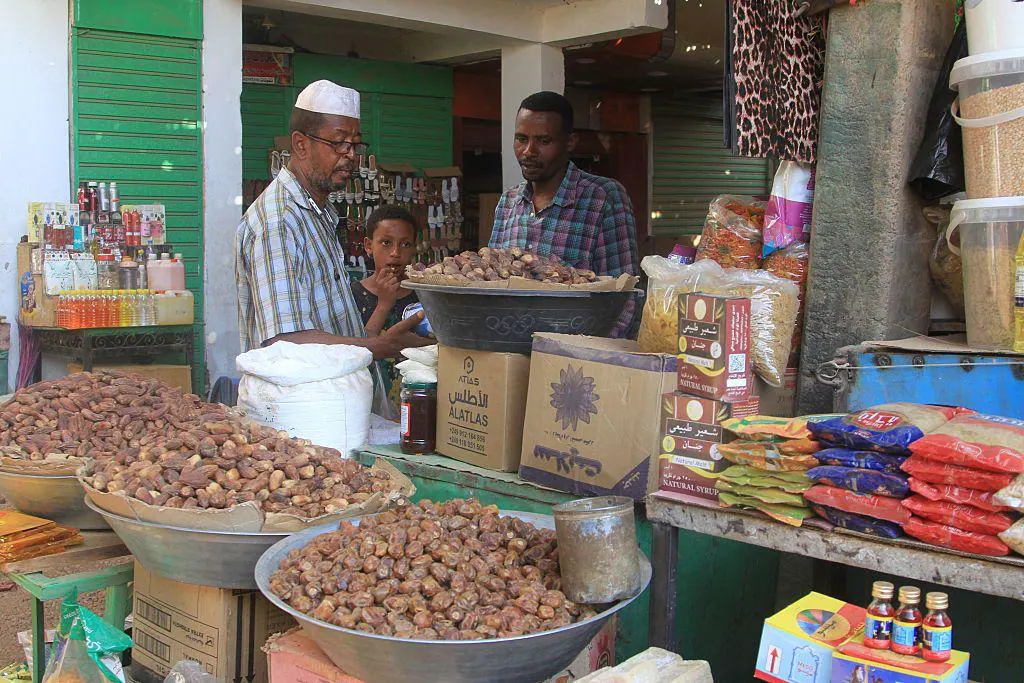
A recent analysis by the United Nations Development Programme (UNDP) found that three years of war have severely disrupted agricultural production and led to the fragmentation of Sudan's markets. The Food and Agriculture Organization (FAO) reported significant increases in the prices of basic food items, with locally produced sorghum prices more than doubling in most monitored markets between January and August 2026.
The FAO also reported that sorghum prices in August 2026 were more than double their levels in the same month of the previous year, which were already high. The decline in purchasing power and rising prices have had a devastating impact on Sudanese citizens, with the UNDP and the Institute for Security Studies finding that average incomes in Sudan have fallen to levels last seen in 1992.
According to the Sudanese Minister of Human Resources and Social Welfare, Moataz Ahmed Saleh, the poverty rate among Sudanese citizens, both inside and outside the country, has reached 73%. The war in Sudan has resulted in one of the worst humanitarian crises in the world, with an estimated 33.7 million people in need of humanitarian assistance in 2026.
The conflict, which began in April 2023, has led to the displacement and refugee crisis, with at least 11 million people displaced, including over four million who have crossed into neighboring countries. The UN has called for a humanitarian ceasefire and the opening of safe corridors for the delivery of aid.
The Sudanese government and international organizations are working to address the economic crisis and provide humanitarian assistance to those in need. However, the ongoing conflict and economic instability continue to pose significant challenges to the Sudanese people.
Key points
- The Sudanese pound has lost nearly half its value against the US dollar since the start of summer.
- The poverty rate among Sudanese citizens has reached 73%.
- The conflict in Sudan has resulted in one of the worst humanitarian crises in the world.