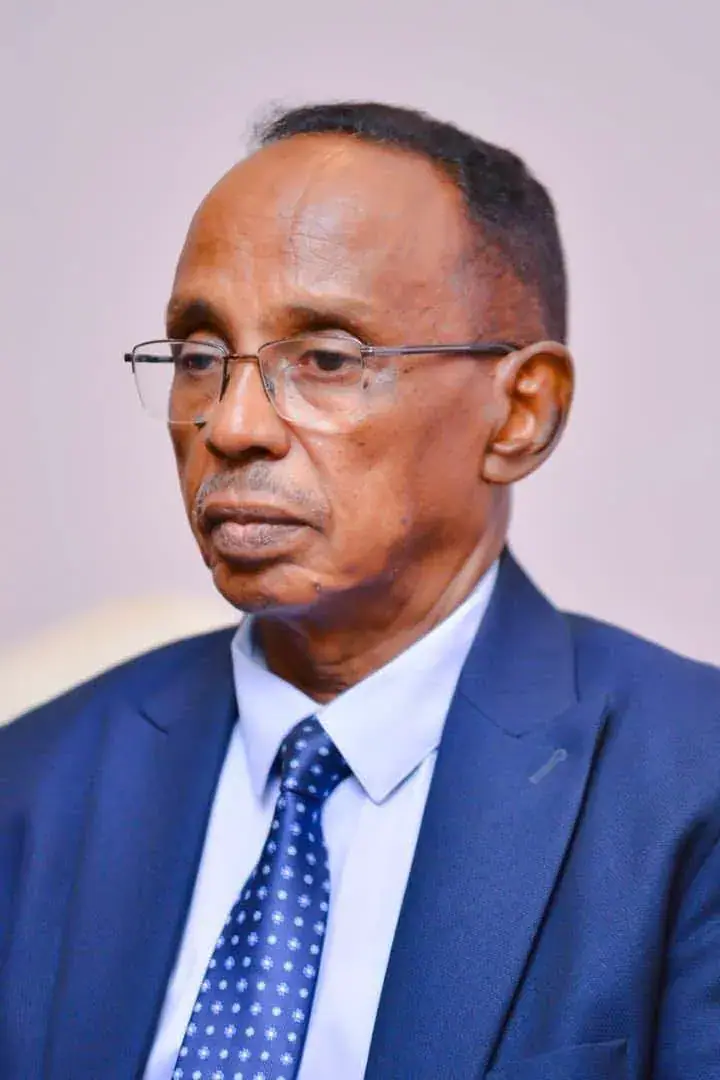
The current economic crisis in Sudan has sparked a national conversation, with citizens and experts alike calling for comprehensive solutions to address the country's woes. According to Osman Mirghani, a prominent economist, the plethora of proposals, estimated to be around 40 million, may seem impressive, but they often revolve around similar ideas. Mirghani argues that the real challenge lies not in the number of proposals, but in finding a well-structured approach that takes into account the country's unique circumstances.
Mirghani's comments come at a time when Sudan's economy is facing significant challenges. The country's economic structure has been criticized for being flawed, with many arguing that it neglects sound economic principles. Furthermore, the reliance on temporary measures to address economic problems has been deemed insufficient. Instead, experts advocate for a more integrated approach that addresses the root causes of the crisis.
A comprehensive solution to Sudan's economic crisis requires an understanding of the country's natural resources and geographical constraints. Mirghani uses the analogy of building a palace to illustrate the importance of taking into account the country's limitations. Just as a builder must consider the site's topography and natural features, policymakers must develop an economic plan that is tailored to Sudan's unique circumstances.
One of the key constraints facing Sudan's economy is its reliance on a single industry. The country's economy has long been dominated by a single sector, leaving it vulnerable to fluctuations in global markets. To address this, experts recommend diversifying the economy and promoting investment in other sectors. This, they argue, will help reduce the country's dependence on a single industry and create a more sustainable economic model.
Another significant challenge facing Sudan's economy is the lack of infrastructure. The country's infrastructure has been severely underdeveloped, hindering economic growth and discouraging investment. To address this, the government has launched several initiatives aimed at improving the country's infrastructure, including investments in transportation networks and energy systems.
The Sudanese government has also been criticized for its handling of the economic crisis. Many argue that the government's response has been inadequate, with some calling for more drastic measures to address the crisis. However, others argue that the government has made significant efforts to address the crisis, including implementing economic reforms and seeking assistance from international organizations.
As Sudan continues to grapple with its economic crisis, experts emphasize the need for a comprehensive and sustainable solution. This, they argue, requires a collaborative effort from all stakeholders, including the government, private sector, and civil society. By working together, Sudan can develop an economic plan that addresses the country's unique challenges and promotes sustainable growth and development.
Key points
- Sudan's economic crisis requires a comprehensive solution that takes into account the country's unique circumstances and natural resources.