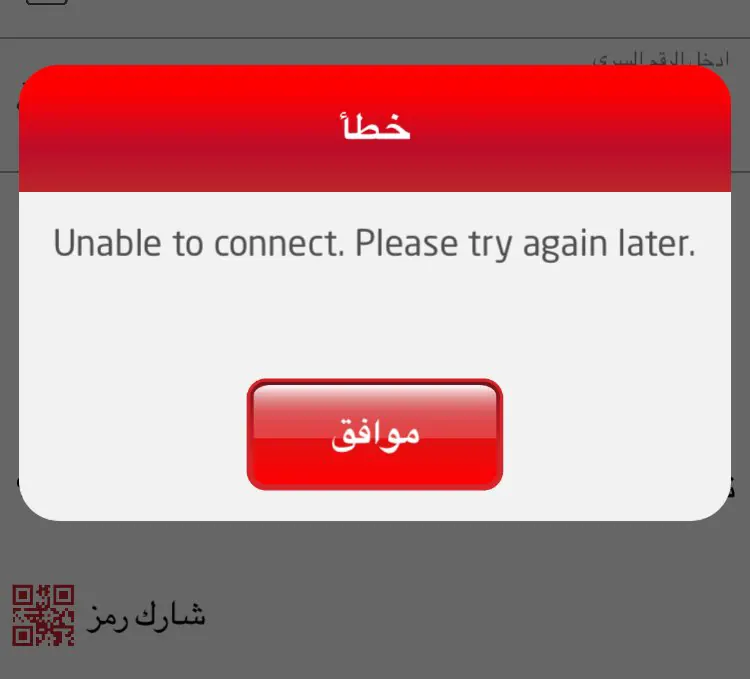
The recent disruptions to the "Benkok" service, operated by Sudan's Khartoum Bank, have sparked widespread frustration among users and raised concerns about the bank's reputation. The service, which allows customers to conduct financial transactions via a mobile application, experienced outages and disruptions over several days, affecting users' ability to access their accounts and conduct transactions. This has led some customers to explore alternative banking services offered by other banks.
In response to the disruptions, Khartoum Bank has introduced a new digital banking service that allows customers to conduct transactions using a USSD code (#1913*) on their mobile phones. This service, which does not require a smartphone or internet connection, aims to provide customers with an alternative means of accessing banking services. According to the bank, the new service is part of its efforts to mitigate the impact of the Benkok disruptions and provide customers with more options for conducting financial transactions.
The disruptions to the Benkok service have been attributed to a combination of factors, including high demand and network issues. According to Ammar Hamouda, an expert in information technology and software, the bank's system has been overwhelmed by the high volume of transactions, leading to technical issues and disruptions. Hamouda also suggested that some disruptions may have been intentional, aimed at limiting transactions or managing liquidity.
Sudan's banking sector is dominated by Khartoum Bank, which has an estimated 80-85% market share in digital banking services. While other banks, such as Faisal Islamic Bank and Omdurman National Bank, offer similar services, they have not been able to match the scale and reach of Khartoum Bank's Benkok service. However, with the introduction of new services, including the USSD code, customers now have more options for accessing banking services.
The new USSD service offered by Khartoum Bank allows customers to conduct transactions, including transfers and payments, using a simple code on their mobile phones. This service is designed to be user-friendly and accessible, even for customers who do not have smartphones or internet connections. According to Hamouda, this service has the potential to increase financial inclusion and provide more people with access to banking services.
In addition to the USSD service, Khartoum Bank has also introduced other digital banking services, including internet banking and mobile payment systems. These services aim to provide customers with more options for managing their finances and conducting transactions. While there are challenges to be addressed, including network issues and security concerns, the introduction of new services is seen as a positive step towards improving Sudan's banking sector.
To address the challenges facing Sudan's banking sector, experts recommend a multi-faceted approach that includes investing in infrastructure, improving network stability, and enhancing security measures. Additionally, there is a need for greater collaboration between banks, regulators, and other stakeholders to develop a more robust and resilient banking system. By working together, Sudan's banking sector can overcome its challenges and provide better services to customers.
Key points
- Khartoum Bank introduces new USSD service to mitigate impact of Benkok disruptions.
- Sudan's banking sector faces challenges, including network issues and security concerns.
- New services aim to increase financial inclusion and provide more options for customers.