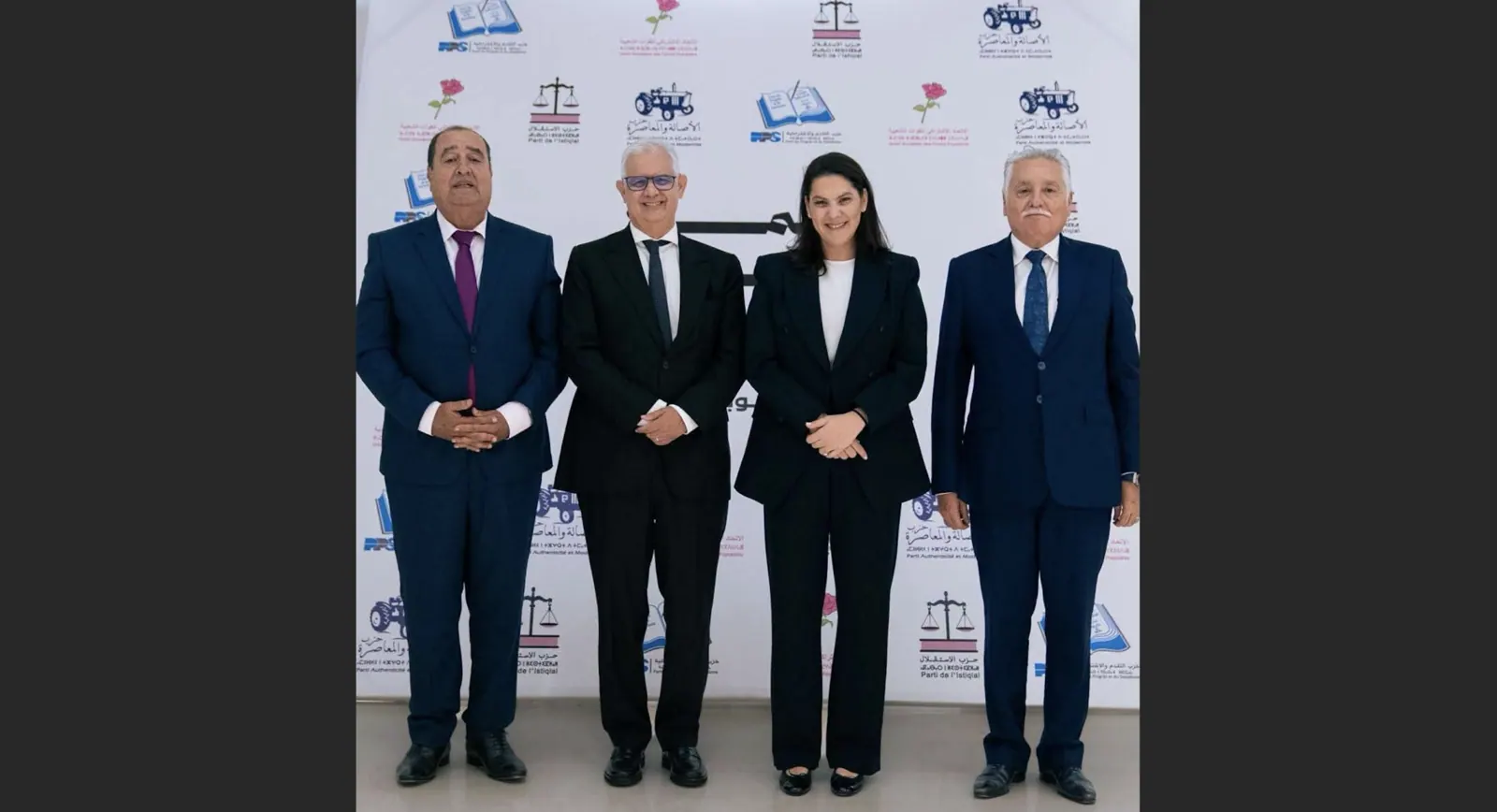
Morocco's designated Prime Minister, Fatima Zahra El Mansouri, has finalized the composition of the new government majority, which will consist of four parties: Authenticity and Modernity Party (PAM), Independence Party, Socialist Union of Popular Forces (USFP), and the Party of Progress and Socialism (PPS). This comes after two rounds of political consultations with several parties represented in parliament. El Mansouri was appointed by King Mohammed VI on October 12, 2026, to form the government following the legislative elections on September 23, 2026.
The consultations, led by El Mansouri, aimed to address Morocco's internal and external challenges and establish a political majority capable of meeting citizens' expectations. These expectations include providing conditions for a decent life, strengthening rights and freedoms, achieving social justice, and promoting economic prosperity. The new government's agenda will prioritize supporting King Mohammed VI's vision for a rising Morocco, consolidating democratic construction, and promoting social justice and territorial equity.
The selection of the new majority's components was based on the election results and the popular will expressed during the legislative elections. The parties involved share a common reformist vision, which will enable them to form a strong and cohesive government. The parties will now proceed to propose names for ministers, who must possess competence, political acumen, integrity, and probity. The new government's program is expected to be prepared in parallel, paving the way for the completion of the government formation process.
The new government majority is expected to focus on several key priorities, including consolidating democratic construction, promoting good governance, and strengthening the national economy's productive capacities. The government's agenda will also prioritize social justice, territorial equity, and improving citizens' living conditions. The composition of the government is seen as a crucial step towards addressing Morocco's current challenges and meeting the expectations of its citizens.
The Authenticity and Modernity Party (PAM) emerged as the leading party in the legislative elections, which took place on September 23, 2026. The party's victory paved the way for its leader, Aziz Rabbah, to play a key role in forming the new government. However, the final composition of the government and the distribution of portfolios have yet to be announced.
The proposed government program is expected to reflect the priorities of the new majority and address Morocco's current challenges. These challenges include promoting economic growth, reducing unemployment, and improving living conditions. The program will also need to take into account the country's international commitments and its role in regional and global affairs.
The new government's formation is seen as a critical step towards addressing Morocco's current challenges and meeting the expectations of its citizens. The government's success will depend on its ability to deliver on its promises and address the country's pressing issues. The government's agenda will be closely watched by Moroccans and international observers alike.
Key points
- The new government majority in Morocco will consist of four parties: Authenticity and Modernity Party (PAM), Independence Party, Socialist Union of Popular Forces (USFP), and the Party of Progress and Socialism (PPS).