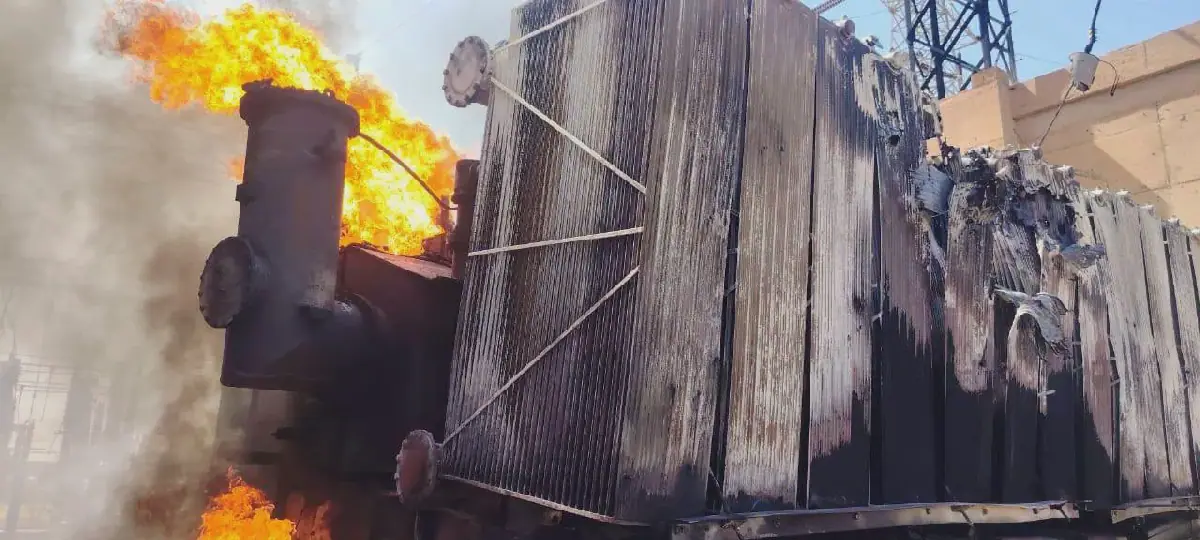
Al-Duwim city in Sudan's White Nile state has plunged into a severe water crisis, entering its third day without access to clean drinking water. This follows an attack on the city's main power plant, Al-Mashkur, by drones belonging to the Rapid Support Forces (RSF) on October 19, 2026. The attack led to a power outage, disrupting water supplies across the city. Residents are now struggling to access clean water, with many forced to wait at road intersections for water carts.
The situation has become increasingly dire, with water prices skyrocketing. A barrel of water now costs 20,000 Sudanese pounds, while a small water packet sells for 3,000 pounds. The scarcity of cash and difficulties with mobile banking transactions have further exacerbated the crisis. Residents are being forced to pay cash upfront for water, adding to their financial burden. The reliance on water carts has also raised concerns about the safety and hygiene of the water being sold.
Water carts are collecting water from various sources, including water basins managed by the water authority, the Nile River, and local streams. However, there are fears that some of this water may be contaminated or unsafe for consumption. Some residents have reported seeing water cart owners filling their containers from streams and canals, which may be used for construction or irrigation purposes.
The health risks associated with consuming contaminated water are a major concern. Some residents have reported receiving water with visible impurities, including small insects and algae. There are fears that the water crisis could lead to the spread of waterborne diseases, including cholera. Residents are calling on local authorities and humanitarian organizations to intervene urgently to address the crisis.
The city's residents are appealing for help to restore power and water supplies. They are requesting that authorities provide emergency generators or solar-powered systems to get the water treatment plants operational again. There are also calls for greater oversight of the water being sold to residents, to ensure it is safe for consumption.
The water crisis has had a significant impact on daily life in Al-Duwim. Residents are spending hours waiting for water, and many are being forced to rely on unclean or untreated water sources. This has added to the overall hardship faced by residents, who are already struggling with the economic and social challenges posed by the ongoing conflict.
The situation in Al-Duwim remains critical, with residents continuing to face significant challenges in accessing clean drinking water. The city's authorities and humanitarian organizations are yet to respond to the crisis, and it remains to be seen how the situation will unfold in the coming days.
Key points
- The water crisis in Al-Duwim city has led to a significant increase in water prices.
- The city's residents are relying on water carts for their water supply.
- There are fears that the water being sold may be contaminated or unsafe for consumption.