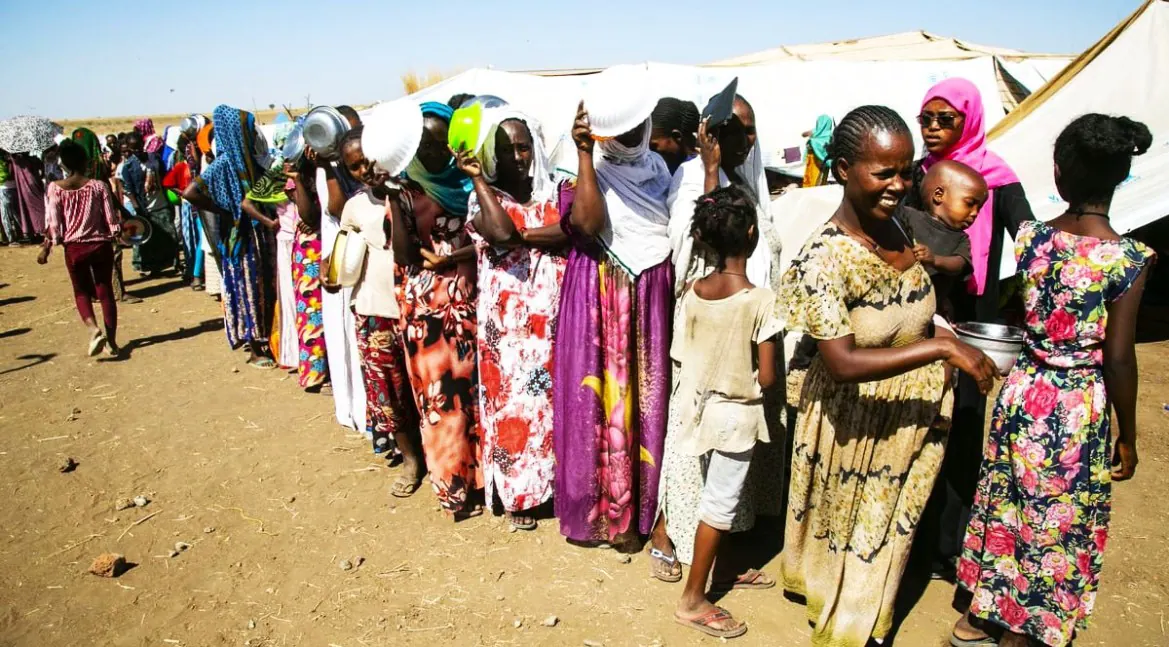
Sudan is bracing for a potentially disastrous harvest in 2027, with nearly 29 million people already experiencing acute food insecurity. The Sudan Food Security and Livelihoods (FSL) Cluster has raised concerns about the country's food security situation. Famine has been confirmed in parts of Sudan over the past two years, and other areas are at risk. The FSL Cluster and humanitarian organizations are warning of the dire consequences of a failed harvest.
Humanitarian organizations are urging conflict parties and those with influence over them to protect civilians, vital civilian infrastructure, and food systems. They want to ensure safe access to farmland and markets, as well as the safe movement of food, commercial goods, and humanitarian assistance. Musa Mohamed Hassan Abdulla, Program Director of Future Stars Center for Development and Capacity building, highlighted the risks of a failed harvest, including starvation, disease, and increased violence.
Despite the challenges, Sudanese communities are working to keep food systems functioning. Farmers' associations, women's groups, local responders, traders, and community networks are helping to move food and sustain livelihoods under difficult conditions. However, farmers across Darfur, Kordofan, Blue Nile, and other conflict-affected states face significant risks, including violence, displacement, and restrictions on movement.
The current harvest season is critical, with poor and erratic rainfall and growing drought concerns threatening this year's yields. High inflation and continued currency depreciation are driving up food, fuel, and transport costs. Farmers in Darfur and other regions report mounting climatic and economic pressures, with many struggling to access basic necessities.
A farmer in South Kordofan described the difficult choices farmers face, saying they planted knowing they might be killed before harvest. In Darfur, a woman farmer in Kass, South Darfur, reported poor rainfall and rising food prices, leaving her community on the brink of starvation. These stories highlight the urgent need for support and protection for Sudan's farmers and food systems.
Humanitarian organizations are calling on regional and international actors to prioritize the protection of the October-January harvest window. They are also urging donors to sustain life-saving assistance and invest in livelihoods, local responders, and food systems that help prevent future hunger. Protecting this harvest is crucial, as losing it will exacerbate next year's crisis.
The situation in Sudan remains dire, with millions facing worsening hunger in 2027. The international community must act quickly to support Sudan's farmers and food systems. The consequences of inaction will be severe, with potential long-term impacts on the country's food security and stability. Sudan cannot afford a lost harvest.
Key points
- Nearly 29 million people in Sudan face acute food insecurity
- A failed harvest will bring starvation, disease, and increased violence
- Protecting the October-January harvest window is crucial to preventing future hunger