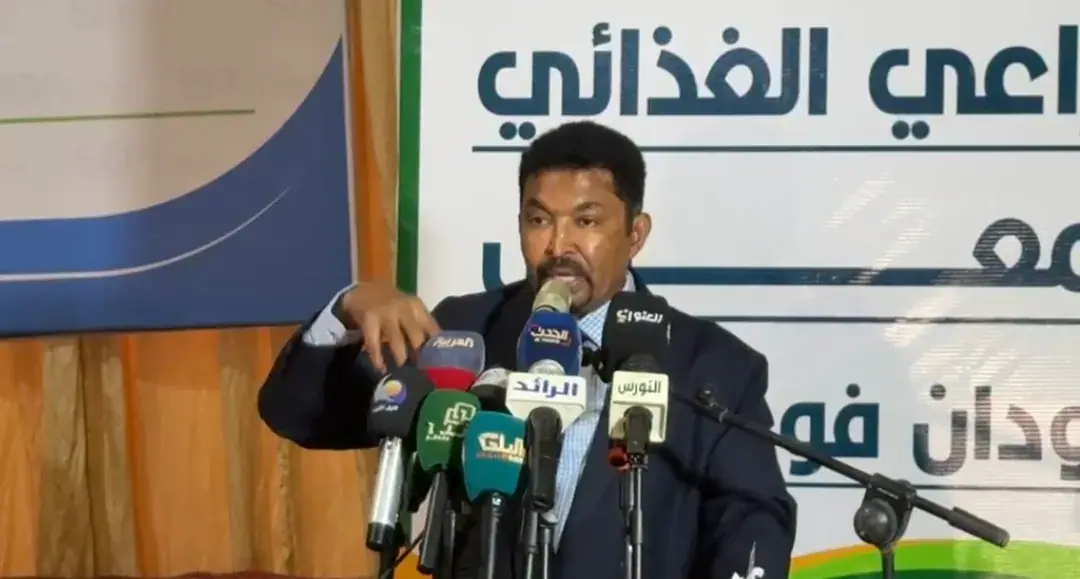
Sudan's Minister of Animal Wealth and Fisheries, Professor Ahmed Al-Tigani Al-Mansouri, has announced a strategic plan to revamp the country's animal wealth sector. The plan, spanning from 2027 to 2031, aims to transform the sector from a traditional activity to an integrated production and industrial system. This will enable Sudan to compete in regional and global markets. The minister made the announcement at a press conference for the "Sudan Food Expo 2026".
The plan involves establishing specialized cities for animal production, starting with the city of Al-Ubaidiya in the Berber locality of River Nile State. Al-Mansouri highlighted Sudan's vast opportunities to benefit from Gulf markets, which import food products worth $200 billion annually. However, he noted that Sudanese red meat, despite its high quality, remains expensive for consumers in these markets.
Al-Mansouri attributed the low competitiveness of Sudanese meat to fees and taxes that increase the price of the kilogram by about four Saudi riyals compared to meat from competing countries. He also cited the impact of the war, which has multiplied shipping, insurance, and transportation costs by four to five times. However, the minister emphasized that Sudan's geographical advantage and proximity to Gulf markets offer an opportunity to enhance its presence.
The proposed cities for animal production will not only focus on livestock but also include an industrial system covering feed production, fattening, veterinary care, modern slaughterhouses, refrigeration, processing, packaging, and export. This will help reduce production costs and improve quality. Al-Mansouri reported that 15 producing companies have been registered in the area, and investors from Qatar and Oman have shown interest through memoranda of understanding.
Al-Mansouri criticized the reliance of many breeders on livestock as a symbol of pride rather than as a productive asset. He noted that the current production of a single cow does not exceed seven pounds of milk, with the plan aiming to increase this to 20 pounds in the first stage and 40 and 100 pounds subsequently. The goal is to improve breeds and develop breeding and feeding methods.
The plan also aims to expand job opportunities for young people in new factories, farms, and production projects. This will be achieved by establishing four complexes for small breeders in collaboration with the Agricultural Bank and the country's Bank. Additionally, projects will be implemented to stabilize families in Darfur and Kordofan states by linking housing stability to agricultural and animal production.
The "Sudan Food Expo 2026" will take place from November 5-8 at the Khartoum International Exhibition Center. The event aims to bring together producers, manufacturers, consumers, and exporters to open new avenues for national production and food industry. Over 20 companies and external destinations will participate, with both in-person and virtual engagement options available.
Key points
- Sudan's government aims to increase animal production and compete in Gulf markets.