In a historic milestone, Ethiopia's new cabinet was sworn in on September 25, 2019, following the 7th National Election held on May 24, 2018. Prime Minister Abiy Ahmed emphasized the importance of dedication and hard work in governance during the cabinet's first meeting. He also presented the National Dialogue Commission's agenda to federal and regional authorities, aiming to achieve national consensus.
On the occasion of the Ethiopian Epiphany (Timkat) celebration, Prime Minister Abiy Ahmed extended his greetings to the Ethiopian people, highlighting the significance of the festival in promoting peace, unity, and national development. He also commemorated the 19th National Flag Day, emphasizing the flag's role in symbolizing national unity and sovereignty.
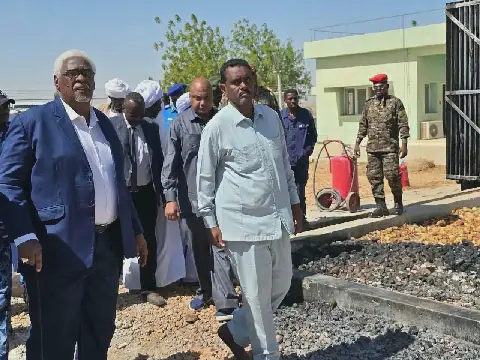
October witnessed significant strides in Ethiopia's industrial, infrastructure, and agricultural development. Prime Minister Abiy Ahmed inaugurated the National Precious Metals Refining Factory in Bole Lemi Special Economic Zone, which has an annual capacity of 600 tons. He also visited the Ethiopian Meteorological Institute and the Ethiopian Nuclear Power Commission, underscoring the importance of these institutions in driving the country's long-term strategy.
Regional and urban development projects gained momentum, with the completion of the Megiz Irrigation Dam in Gondar, which has a water storage capacity of 185 million cubic meters and will irrigate over 17,000 hectares of land. Prime Minister Abiy Ahmed also inspected the Fasel Gebi and "Mesob" projects during his visit. In Addis Ababa, the 351-hectare Qechene-Ambasader-Giyon-Erecha-Bambis Riverbank Development Project was launched.
In a move to reduce fuel consumption, the first 26 public transport buses converted from diesel to compressed natural gas (CNG) began operations, promising to halve transportation costs and reduce public travel tariffs. This development aligns with the government's efforts to promote sustainable and efficient transportation systems.
Prime Minister Abiy Ahmed engaged in high-level diplomatic activities, hosting South African President Cyril Ramaphosa and Nigerian Vice President Kashim Shettima on official visits. He also held productive discussions with Indian External Affairs Minister Subrahmanyam Jaishankar, Israeli Prime Minister Benjamin Netanyahu, and US Secretary of State Marco Rubio to strengthen strategic ties.
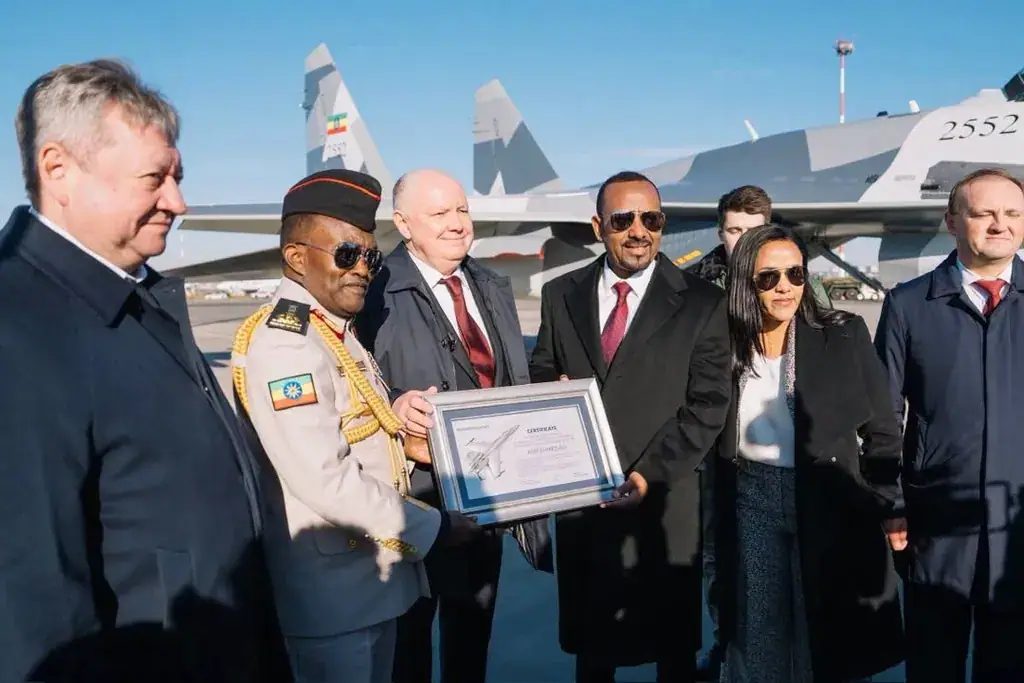
The Prime Minister concluded his month-long activities with an official visit to Russia, where he met with President Vladimir Putin to discuss trade, health, and energy cooperation. He also announced plans to construct a modern nuclear power plant with Russian assistance during the 3rd Russia-Africa Summit and witnessed the delivery of the first Su-35 fighter jets and S-400 air defense batteries to Ethiopia.