Sudan has long been grappling with the question of sovereignty, with allegations of Egyptian influence dominating the country's political landscape. According to critics, Egypt has been exerting significant control over Sudan's decision-making process, with the Sudanese military being seen as a product of Egyptian manufacturing. This has led to concerns that Sudan's independence is being eroded, with Egypt allegedly dictating key appointments, including that of the defense minister.
The influence of Egypt on Sudan is not limited to the military or politics; it also extends to the economy. There are allegations that Egypt has been flooding the Sudanese market with counterfeit currency, taking advantage of Sudan's weak state to purchase Sudanese products and resources, only to re-export them under different labels. This has led to accusations that Egypt is exploiting Sudan's vulnerabilities for its own gain.
The current conflict in Sudan has brought the issue of Egyptian influence to the forefront. With allegations of Egyptian involvement in the war, including claims of military support and intelligence sharing, the situation has become increasingly complex. Many in Sudan believe that Egypt's role in the conflict is aimed at weakening the Sudanese state and turning the country into a market for Egyptian products.
The use of chemical weapons against Sudanese civilians is another issue that has raised concerns. Reports of attacks in areas such as Jebel Moya, Al-Jili, and Khartoum, as well as in Darfur and Kordofan, have led to calls for an independent investigation. If confirmed, these allegations would have serious implications for Egypt's role in the conflict and its relations with Sudan.
The recent incident involving the killing of Sudanese miners in northern Sudan is another example of the human cost of the conflict. The lack of a clear response from the government has led to criticism that the lives of Sudanese citizens are not being taken seriously. This has further fueled concerns about the government's ability to protect its citizens.
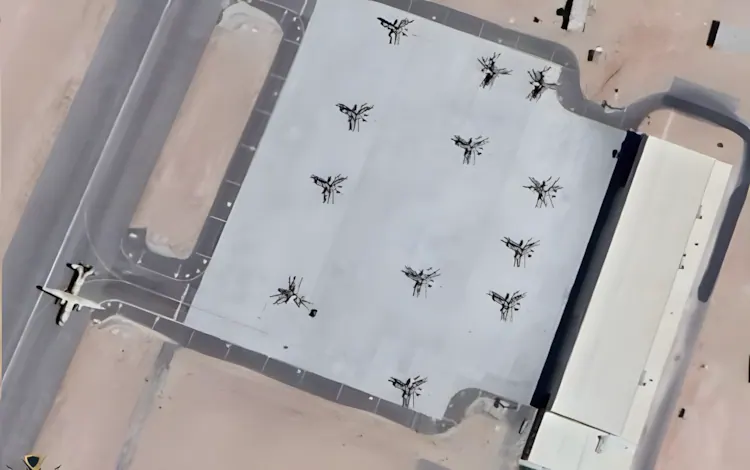
The presence of the Al-Owainat military base is another issue that has sparked controversy. Critics argue that the base has become a launchpad for attacks on Sudanese cities and free peoples, and its removal has become a popular demand. Many believe that the base is a symbol of Egyptian influence and a threat to Sudanese sovereignty.
As Sudan navigates its internal conflict, it is clear that the country faces a complex web of external interests and interventions. To move forward, Sudan must prioritize its sovereignty and work towards building a state that is independent and self-sufficient. This will require a concerted effort from the Sudanese people, who must come together to demand their rights and assert their independence.
Key points
- Allegations of Egyptian influence in Sudan's politics, military, and economy have raised concerns about the country's sovereignty.
- The current conflict in Sudan has brought the issue of Egyptian influence to the forefront, with allegations of military support and intelligence sharing.
- Sudan's struggle for independence and self-governance is ongoing, with many calling for an end to external interference and the assertion of Sudanese sovereignty.