Sudan has filed formal complaints against Ethiopia at the UN Security Council and African Union, accusing Addis Ababa of aiding the paramilitary Rapid Support Forces (RSF) through drone attacks launched from Ethiopian territory. The Sudanese army has repeatedly accused Ethiopia of supporting the RSF, which it has been fighting since April 2023. Ethiopia denies these accusations and has in turn accused the Sudanese army of backing rebels linked to the Tigray People’s Liberation Front (TPLF), an allegation Khartoum rejects.
The Sudanese army-aligned foreign ministry stated that Ethiopia's actions constitute "blatant aggression" and violate international law. The complaints to the Security Council and the African Union's Peace and Security Council emphasize that using Ethiopian territory to target Sudanese territory is a hostile act. Sudan's Transitional Sovereignty Council reported 70 attacks involving 187 one-way attack drones launched from Ethiopian territory this year, resulting in nearly 500 civilian casualties.
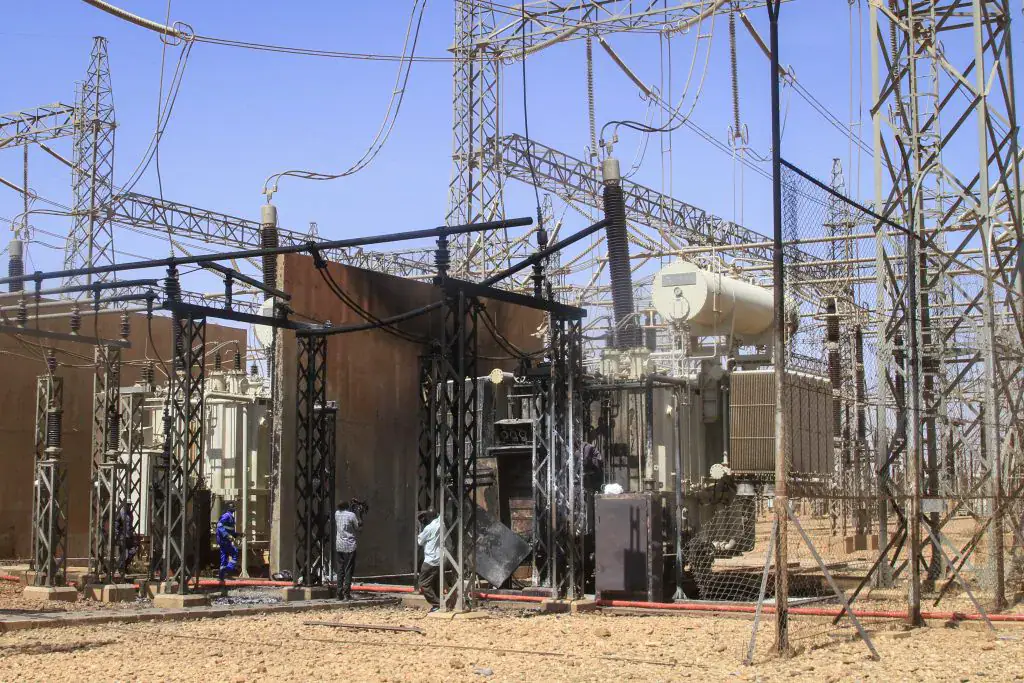
The drone attacks have targeted residential areas, hospitals, power stations, and fuel stations. According to the United Nations, over 1,100 people were killed in drone attacks across Sudan during the first half of the year. Recent attacks on power stations in army-controlled areas have caused widespread electricity outages in several states, including Khartoum, Al-Jazirah, White Nile, and Gedaref.
Both the Sudanese army and the RSF have increasingly relied on drones capable of striking targets hundreds of kilometers away without risking harm to their fighters. The RSF has been using drones to attack civilian facilities, while the Sudanese army has been fighting the RSF since April 2023. Ethiopia's denial of the accusations and its counter-accusations against Sudan have escalated tensions between the two countries.
The conflict between Sudan and the RSF has resulted in significant humanitarian and economic impacts. The use of drones has allowed both sides to launch attacks without directly engaging in combat, increasing the risk of civilian casualties. The international community is closely monitoring the situation, with the UN Security Council and African Union receiving formal complaints from Sudan.
Sudan's complaints to the UN Security Council and African Union highlight the escalating tensions between Sudan and Ethiopia. The situation remains volatile, with ongoing drone attacks and counter-accusations between the two countries. The international community's response will be crucial in determining the course of the conflict and its impact on the region.
The conflict has also raised concerns about regional stability and the potential for further escalation. The African Union and UN Security Council are expected to review Sudan's complaints and consider possible actions to address the situation. The outcome of these deliberations will be critical in shaping the future of Sudan-Ethiopia relations and the broader regional security landscape.
Key points
- Sudan accuses Ethiopia of allowing drone strikes by Rapid Support Forces against civilian facilities from its territory.
- The conflict has resulted in significant humanitarian and economic impacts, with over 1,100 people killed in drone attacks across Sudan during the first half of the year.
- The international community is closely monitoring the situation, with the UN Security Council and African Union receiving formal complaints from Sudan.