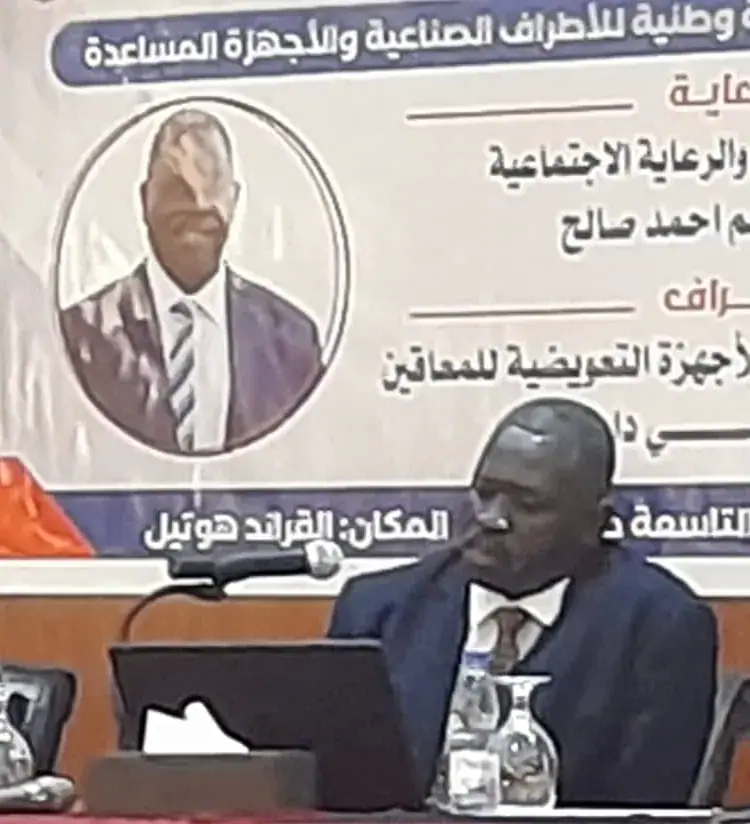
The Sudanese healthcare system is facing a significant crisis in its physical rehabilitation sector. According to Yousuf Musa Darfur, Director-General of the General Authority for Prosthetic Devices and Artificial Limbs, the country has only one physical therapy specialist and 12 prosthetic technicians. This shortage is a result of the ongoing conflict, which has led to a brain drain of skilled healthcare professionals.
The conflict has caused a substantial decline in the number of specialized healthcare professionals in Sudan. The number of physical therapy specialists has decreased from four to one, while the number of prosthetic technicians has dropped from 44 to 12. Additionally, the number of technicians and assistants has decreased from 56 to 38. The shortage of specialized healthcare professionals is further compounded by the fact that many qualified individuals have not been appointed to positions, despite the urgent need for their services.
The main causes of physical disability in Sudan are related to armed conflict and disease. Darfur stated that the conflict has resulted in injuries from bombing, shrapnel, mines, gunfire, and burns. Furthermore, diseases such as diabetes and obesity are also significant contributors to physical disability, particularly in the Gezira state. An updated statistic on physical disability is being prepared for 2026, taking into account data from disabled persons' unions and prosthetic limb centers in various states.
Despite having qualified personnel, Sudan's main challenge lies in the availability of raw materials for prosthetic devices. Darfur emphasized that the country has expertise in manufacturing prosthetic limbs but lacks the necessary raw materials. He suggested that introducing advanced technology for complex cases within Sudan would help reduce the need for patients to travel abroad for treatment, thereby saving foreign exchange.
Darfur outlined six key gaps in Sudan's prosthetic and rehabilitation services, including a shortage of personnel, electricity, and raw materials, as well as infrastructure and operational challenges. To address these gaps, a roadmap has been developed, which includes restoring services, reopening closed centers, and localizing the manufacture of prosthetic components. The project to reactivate a mobile workshop, which provides services to remote areas, will also be revived.
The crisis in Sudan's healthcare system requires a unified response from government ministries, the private sector, and partners to provide sustainable financing and secure raw materials. This will ensure that rehabilitation services and prosthetic devices are available to those in need, with the required quality and in a timely manner. The international community, including the International Committee of the Red Cross, has been playing a crucial role in supporting the sector during these challenging times.
The situation in Sudan highlights the urgent need for international cooperation and support to address the country's healthcare crisis. With the ongoing conflict and shortage of skilled healthcare professionals, it is essential to find sustainable solutions to ensure that the country's healthcare system can provide quality services to its citizens. The involvement of various stakeholders, including government agencies, private sector organizations, and international partners, is crucial in addressing the crisis and rebuilding the country's healthcare infrastructure.
Key points
- Sudan's healthcare system is facing a severe shortage of physical therapy specialists and prosthetic technicians.
- The conflict has caused a significant decline in the number of specialized healthcare professionals in Sudan.
- The country's main challenge lies in the availability of raw materials for prosthetic devices.