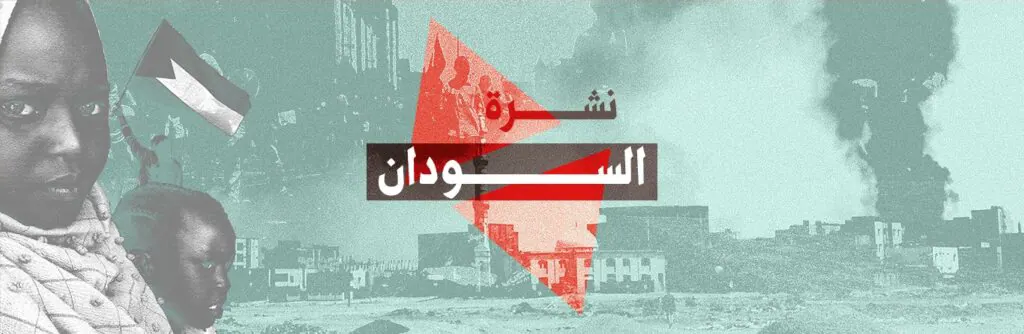
Sudan's conflict has taken a turn for the worse, with multiple fronts experiencing escalated violence. In Darfur, a key tribe, the Rizeigat, has seen internal divisions, with one of its main groups, the Nawaba, announcing its withdrawal from the tribe's leadership. This move is seen as an attempt to establish a direct line of communication with the leader of the Rapid Support Forces (RSF), Mohamed Hamdan Daglo, also known as Hemedti. The RSF has been involved in intense fighting with the Sudanese army in various parts of the country.
The conflict in Darfur has been marked by allegations of human rights abuses and ethnic violence. The Nawaba's decision to break away from the Rizeigat leadership is seen as a reflection of the growing tensions within the tribe. The RSF, which has been accused of committing atrocities in Darfur, has been trying to consolidate its power in the region. The Sudanese army, led by General Abdel Fattah al-Burhan, has been fighting the RSF for control of the country.
In the Blue Nile region, the RSF has launched a series of attacks on government forces, seeking to capture key towns and cities. The Sudanese army has managed to repel these attacks, but the RSF has made significant gains in the region. The conflict has resulted in thousands of civilians being displaced, with many more facing severe humanitarian conditions.
Meanwhile, in South Sudan, President Salva Kiir has introduced significant changes to the electoral process, sparking concerns from opposition groups. Kiir has appointed a new head of the electoral commission and amended the electoral law, moves seen as attempts to consolidate his power. The opposition has described these moves as biased and aimed at marginalizing his former partner, former Vice President Riek Machar.
The changes to the electoral process have raised concerns about the legitimacy of the upcoming elections in December. The opposition has warned that Kiir's moves could deepen divisions in the country and lead to further instability. South Sudan has been struggling to recover from a devastating civil war that lasted for five years, resulting in tens of thousands of deaths and widespread displacement.
The conflict in Sudan has also had significant implications for the region, with neighboring countries expressing concerns about the spillover effects of the violence. The African Union and other international organizations have been working to broker a peace agreement between the warring parties, but so far, efforts have yielded limited results.
The humanitarian situation in Sudan continues to deteriorate, with thousands of civilians facing severe food shortages, displacement, and violence. The international community has been urged to provide more support to address the crisis, including humanitarian aid and diplomatic pressure on the warring parties to negotiate a peaceful resolution.
Key points
- The conflict in Sudan has intensified on multiple fronts, with battles raging in Darfur and the Blue Nile region.
- President Salva Kiir of South Sudan has introduced changes to the electoral process, sparking concerns from opposition groups.
- The humanitarian situation in Sudan continues to deteriorate, with thousands of civilians facing severe food shortages, displacement, and violence.