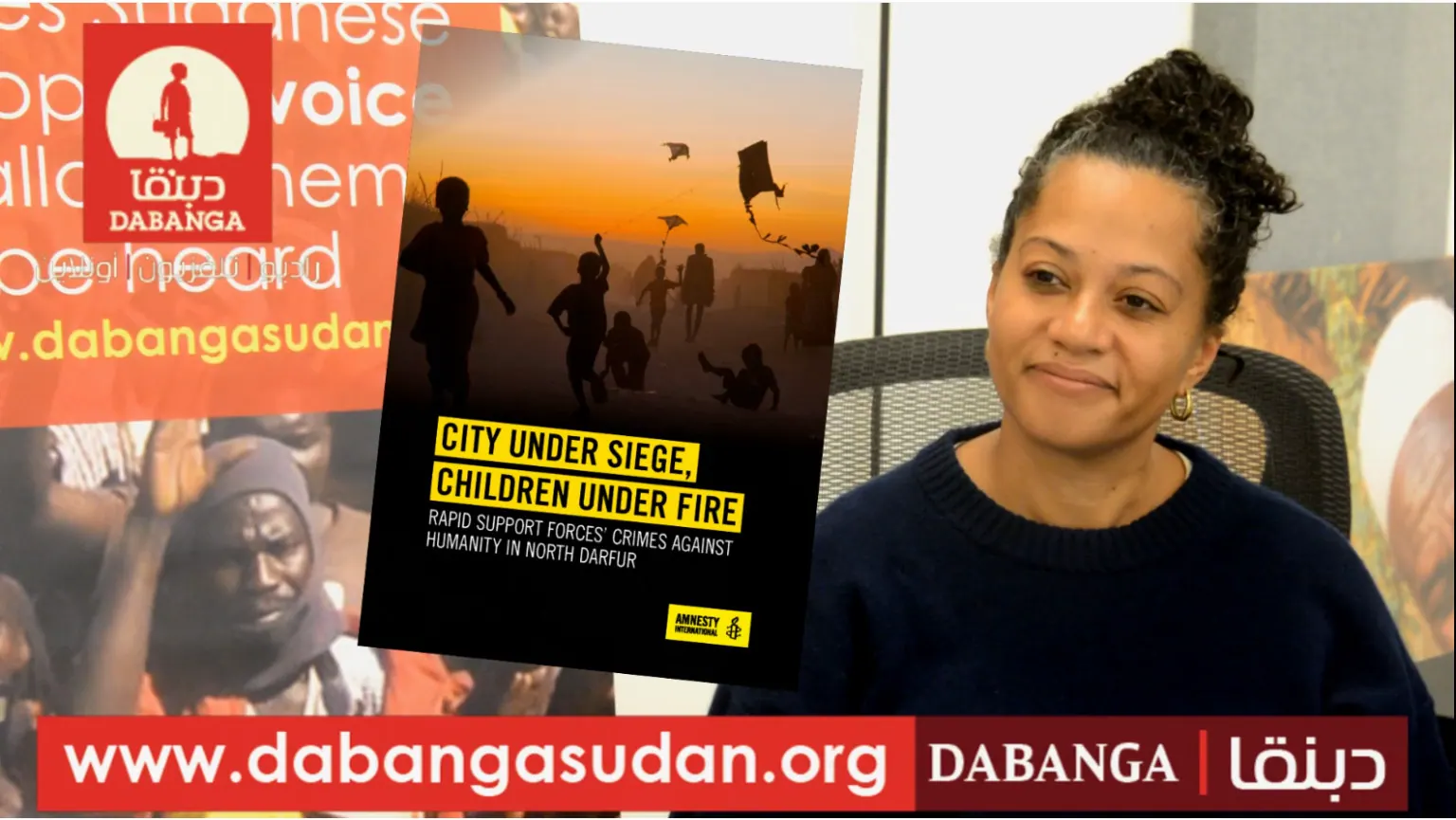
According to Janine Mornna, a human rights researcher at Amnesty International, children in Sudan are facing severe abuses, including forced recruitment and sexual violence. Mornna, who specializes in the rights of children affected by armed conflicts, has conducted research in various countries, including Sudan. Her recent investigation revealed that children in northern Darfur have been forcibly recruited by Rapid Support Forces (RSF) to fight, herd cattle used by the force, and gather intelligence on opposing forces.
Mornna's investigation found that children were recruited through various means, including collaboration with community leaders and elders to mobilize young people, including older boys and, in some cases, younger children, to fight alongside the forces. In other cases, young men and older boys were kidnapped during attacks on villages and forced to fight. The researcher stated that one RSF commander, whose unit consisted of around 90 members, reported that approximately 40% of his members were young people.
Girls in Sudan have faced a different pattern of abuse, with documented cases of rape and other forms of sexual violence. Mornna described the case of a 13-year-old girl who was kidnapped and repeatedly gang-raped over several days. The researcher emphasized that children are not only victims of war violence but are also specifically targeted with a range of abuses. The investigation, which included interviews with 39 children, also found that children in northern Darfur struggle to find enough food, with many suffering from starvation and related health problems.
The effects of starvation on young children are particularly severe, with Mornna stating that they are more vulnerable to the risks of inadequate food due to their limited ability to cope with prolonged periods of hunger. The researcher documented cases of children not eating regularly, with four children dying due to lack of food, although she believes the actual number is likely much higher. Amnesty International also spoke with two health experts on malnutrition, who explained the devastating long-term effects of inadequate nutrition on children's health, growth, and development.
Mornna emphasized that the trauma experienced by children in Sudan will have long-lasting consequences, including the risk of ongoing cycles of violence if they do not receive necessary support to address their trauma. Many children have been displaced for most of their lives, with some born in camps and lacking knowledge of their villages or family backgrounds. The researcher warned that Sudan will face the consequences of these abuses for years to come.
Amnesty International took precautions when interviewing children, prioritizing their protection and verifying the reliability of the information collected. The organization spoke with older children and, in some cases, their family members to corroborate their accounts. Mornna stated that the testimonies of older children can be just as reliable as those of adults, and that the organization seeks to verify information through multiple sources and evidence.
The report also highlighted the issue of education, with Mornna stating that none of the children interviewed by Amnesty International had received education for years. Many expressed a desire to continue their studies, but displacement has prevented them from doing so. The researcher warned that the loss of education will have long-term consequences for Sudan's ability to rebuild its workforce and economy.
Key points
- Children in Sudan face severe abuses, including forced recruitment and sexual violence.
- The conflict has led to widespread starvation and related health problems among children.
- The trauma experienced by children in Sudan will have long-lasting consequences if not addressed.