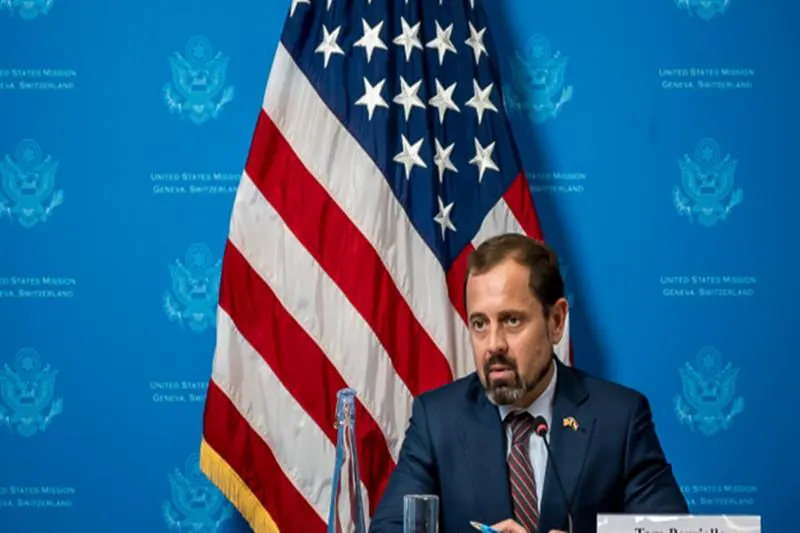
Sudan ceasefire talks commenced in Switzerland on Wednesday, August 14, 2024, without the participation of the Sudanese government. The US-sponsored negotiations aim to broker a ceasefire in the conflict-ridden country. The talks, co-hosted by Saudi Arabia and Switzerland, bring together the paramilitary Rapid Support Forces (RSF) and other international stakeholders. The Sudanese Armed Forces (SAF), however, have declined to participate, citing dissatisfaction with the format.
The conflict in Sudan has resulted in one of the world's worst humanitarian crises, with over 25 million people facing acute hunger and one in five individuals displaced. The war, which began in April 2023, pits the SAF, led by Abdel Fattah al-Burhan, against the RSF, commanded by Mohamed Hamdan Daglo. Previous talks in Jeddah failed to yield an agreement. US envoy to Sudan Tom Perriello emphasized the need for a ceasefire, stating it is "high time for the guns to be silenced."
The RSF delegation has arrived in Switzerland, while the SAF's absence has left other attendees to press on with the talks' agenda. The negotiations, which may last up to 10 days, focus on achieving a cessation of hostilities, enhancing humanitarian access, and establishing enforcement mechanisms. The African Union, Egypt, the United Arab Emirates, and the United Nations are part of the steering group. Sudanese Media Minister Graham Abdelkader previously stated that the government rejects "any new observers or participants."
The conflict has caused significant human suffering, with tens of thousands killed and widespread destruction. The Emergency Lawyers, a group of volunteer lawyers, reported increased indiscriminate artillery shelling by the RSF on civilian areas, including a school, a bus carrying civilians, and a hospital. An eyewitness in Omdurman described "heavy artillery shelling from the RSF for the seventh day straight." The situation on the ground remains dire, with no let-up in fighting.
Analysts suggest that the Sudanese government's absence from the talks may be due to internal divisions and a lack of pressure from external actors. Alan Boswell, the Horn of Africa project director at the International Crisis Group, noted that Abdel Fattah al-Burhan faces "serious internal divisions" and that the US-led talks bring together main outside actors with leverage over the warring parties. Cameron Hudson, from the Center for Strategic and International Studies, said the SAF believes Washington lacks the stomach to impose real consequences for non-compliance.
The UN observer delegation, led by Ramtane Lamamra, aims to achieve "tangible progress towards an immediate ceasefire." The UN Secretary-General's personal envoy on Sudan urged both sides to "commit to genuine dialogue." The international community is watching closely, with pressure mounting on al-Burhan to engage in meaningful negotiations. The Sudanese people's plight continues to worsen, with millions facing hunger and displacement.
The ceasefire talks in Switzerland represent a crucial opportunity for Sudan to move towards peace. The participation of the RSF and international stakeholders, coupled with the presence of key external actors, may help to create momentum. However, the absence of the Sudanese government and the ongoing fighting on the ground pose significant challenges. The world waits with bated breath as the situation in Sudan continues to unfold.
Key points
- The Sudanese ceasefire talks have begun in Switzerland, despite the absence of the Sudanese government.
- The conflict in Sudan has triggered one of the world's worst humanitarian crises, with over 25 million people facing acute hunger.
- Analysts suggest that the Sudanese government's absence from the talks may be due to internal divisions and a lack of pressure from external actors.