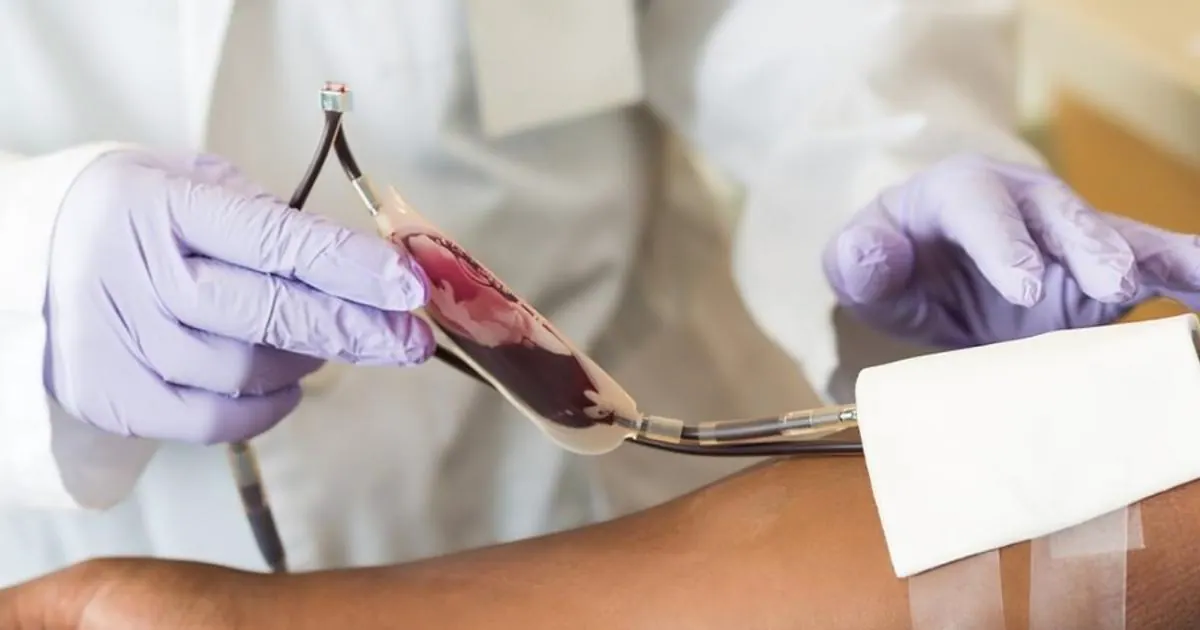
The Jehovah's Witnesses organisation has adjusted its policy to allow members to determine whether to receive blood transfusion or donate. This change was announced by Paul Gillis, the International Spokesman, in a video broadcast. The new policy leaves each Witness to decide matters of blood transfusion based on their conscience. This shift comes months after the organisation began permitting Witnesses to store their own blood for future transfusion.
The organisation maintains its stance of abstaining from the transfusion of whole blood based on its scriptural guidance. For decades, the organisation's abstention from blood has extended to the four main components, which are plasma, platelets, white cells, and red cells. However, because the scriptures do not specifically comment on these components, decisions surrounding blood transfusion and donation will now be left to each witness to decide based on individual conscience.
The latest adjustment to the organisation's policy around blood transfusion and donation allows members to elect to either accept blood transfusions from donors or serve as donors to others. This new guideline has been shared widely on social media, with many observers commenting on the Church's previous stance, which they considered to be responsible for the avoidable loss of life among its members.
In March 2026, Jehovah's Witnesses adjusted their policy to allow members to save their blood for future personal use following decades of prohibiting blood transfusions. This directive relaxed the organisation's previous guideline that outright banned the removal and transfusion of blood, giving members the power to decide whether to have their blood removed, stored, and transfused for future medical care.
The rationale for the decision was that the Bible is silent on the use of one's own blood for medical and surgical care. Therefore, each member must decide how to handle matters of their own health. The organisation stated that the most important factor that should inform such decision-making is the capacity to keep a clean conscience.
Jehovah's Witnesses' peculiar laws and distinct lifestyle have distinguished them among Christian denominations globally. It has also led to criticisms and even outright bans in Russia, China, Singapore, and Eritrea, where the church is considered an extremist organisation. The change in policy has been seen as a significant shift in the organisation's stance on blood transfusion.
The new policy has sparked a range of reactions, with some praising the organisation for allowing members to make their own decisions about blood transfusion. Others have expressed concerns about the potential risks associated with blood transfusions. The organisation has emphasised that the decision to accept or donate blood is a personal one, and members are encouraged to make informed choices based on their own conscience.
Key points
- Jehovah's Witnesses members can now decide whether to give or receive blood based on their individual conscience.
- The organisation maintains its stance of abstaining from the transfusion of whole blood based on its scriptural guidance.
- The change in policy allows members to elect to either accept blood transfusions from donors or serve as donors to others.