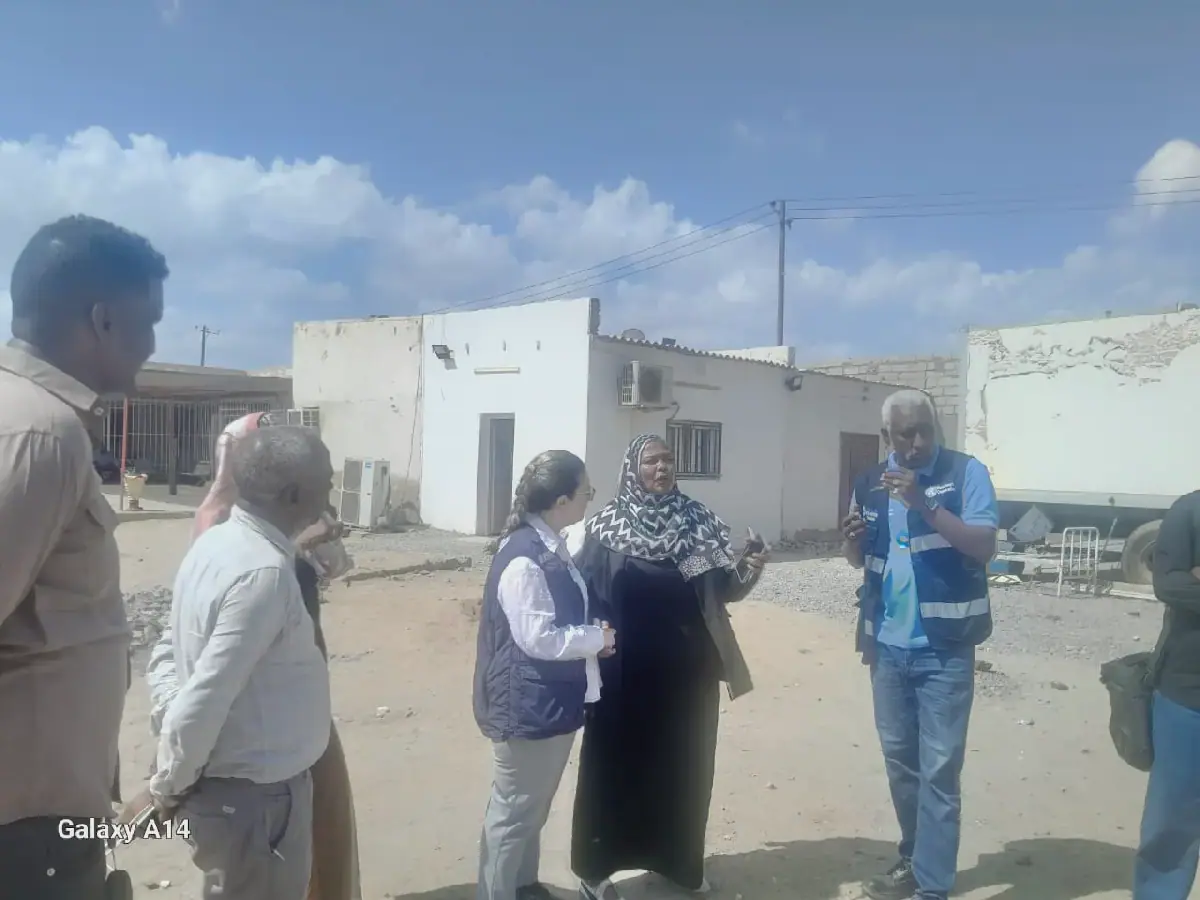
The Sudanese Ministry of Health and the World Health Organization (WHO) have conducted joint field visits to Khartoum and Port Sudan to enhance preparedness and response to the Ebola virus. On October 27, 2026, the visits aimed to assess the readiness of designated isolation and treatment centers. In Khartoum, the team visited the reference isolation and treatment center at the Tropical Diseases Hospital in Omdurman.
The visits were part of efforts to strengthen national preparedness and response to Ebola. The teams inspected the facilities, noting progress made but also emphasizing the need for accelerated completion of requirements to operationalize the centers. They stressed the importance of coordinating efforts and standardizing isolation, treatment, and healthcare services for Ebola patients nationwide.
In Port Sudan, the WHO office, in coordination with the Red Sea State Ministry of Health, conducted a field visit to the Port Sudan International Airport and the designated Ebola isolation center. The visit included the state health minister and directors of emergency response and quarantine.
The joint efforts aim to enhance preparedness and response to Ebola risks. The teams reviewed measures taken to strengthen preparedness, including screening, surveillance, and early detection at entry points and border crossings. They also ensured safe patient transfer and rapid referral of suspected and confirmed cases to specialized healthcare facilities.
A comprehensive plan is in place to enhance preparedness and response. This includes strengthening national capacities for preparedness and response across all healthcare levels. The plan involves enhancing infection prevention and control measures, ensuring safe and dignified burials, and providing high-quality clinical care.
The WHO and the Sudanese Ministry of Health reaffirmed their commitment to working together to strengthen national capacities. The goal is to detect and respond to Ebola and other public health threats effectively. These efforts aim to protect healthcare workers and local communities and enhance the healthcare system's ability to manage Ebola risks.
The field movements reflect the commitment of the WHO and national health authorities to enhancing Sudan's preparedness and response to Ebola. The efforts focus on protecting communities and healthcare systems from the risks of Ebola and other public health threats.
Key points
- The Sudanese government and WHO are working together to enhance preparedness and response to Ebola.
- Field visits were conducted in Khartoum and Port Sudan to assess readiness of isolation and treatment centers.
- The efforts aim to protect healthcare workers and local communities from Ebola risks.