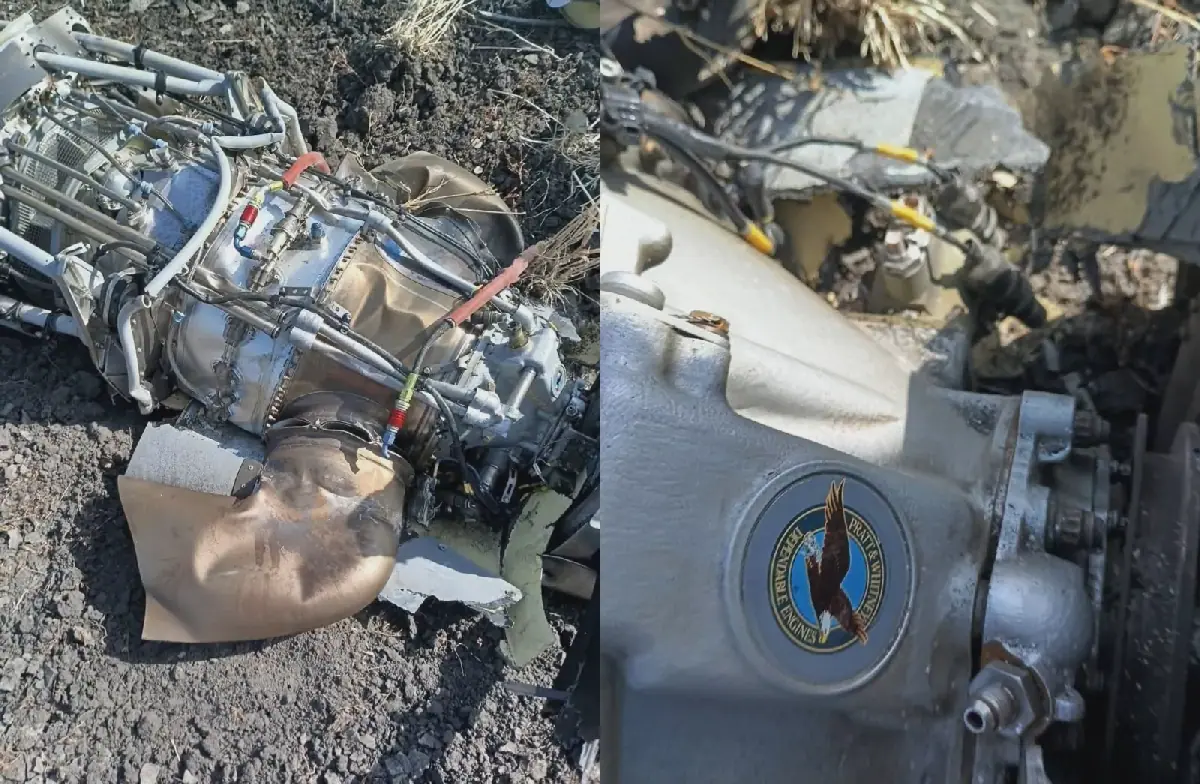
Sudan's government has accused Ethiopia of launching a series of drone attacks on Sudanese cities, resulting in significant loss of life and destruction. According to the Sudanese authorities, 162 drone attacks were launched from Ethiopian territory, targeting several cities, including Damazin, Al-Mazamum, Sennar, Kosti, and Omdurman. The attacks have killed over 400 civilians and 102 soldiers, and have caused widespread destruction to schools, fuel stations, healthcare centers, and hospitals.
The drone attacks, which began in May 2026, have been carried out using various types of drones, including modified kamikaze drones, long-range drones of Chinese and Turkish manufacture. The drones are launched from bases in Ethiopia, including Assosa and Bahir Dar, and fly over South Sudan before entering Sudanese airspace. The Sudanese government has condemned the attacks, saying they are aimed at preventing citizens from returning to their homes and cities, and disrupting efforts to restore stability to the country.
The Sudanese government has vowed to defend the country against the drone attacks, with the government adopting a policy of "strategic patience" and wisdom in responding to the attacks. The government has also called on the international community to take concrete steps to stop the attacks and condemn the aggression. According to the government, the drone attacks are part of a broader effort to destabilize Sudan and undermine its sovereignty.
The conflict in Sudan has been ongoing since 2023, with the Rapid Support Forces (RSF) and the Sudanese army clashing in a series of battles. The conflict has resulted in significant humanitarian suffering, with thousands of civilians displaced and many more affected by the violence. The Sudanese government has accused the RSF of receiving support from external actors, including Ethiopia.
The Sudanese government has also accused over 20 countries of providing support to the RSF, including providing logistical support, mercenaries, and drones. The government has vowed to take steps to counter the external support, and to restore stability to the country. According to the government, the conflict is not an internal conflict, but rather a comprehensive war aimed at destroying Sudan and looting its resources.
The international community has expressed concern over the conflict in Sudan, with several countries calling for a ceasefire and negotiations between the parties. However, the Sudanese government has emphasized the need for the international community to take concrete steps to stop the drone attacks and condemn the aggression. The government has also emphasized its commitment to protecting the country's sovereignty and territorial integrity.
The conflict in Sudan has significant implications for regional stability, with the country's strategic location making it a critical player in regional security. The Sudanese government has emphasized the need for the international community to support efforts to restore stability to the country, and to prevent the conflict from spreading to other countries in the region. The government has also emphasized its commitment to building a modern, democratic state based on transparency and accountability.
Key points
- The Sudanese government has accused Ethiopia of launching 162 drone attacks on Sudanese cities, resulting in significant loss of life and destruction.
- The conflict in Sudan has significant implications for regional stability, with the country's strategic location making it a critical player in regional security.
- The Sudanese government has vowed to defend the country against the drone attacks, and has called on the international community to take concrete steps to stop the attacks and condemn the aggression.