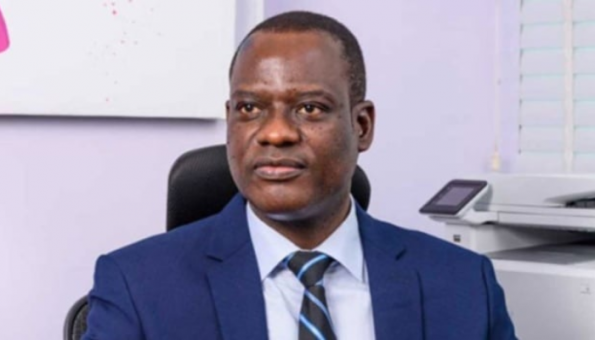
The Federal Government of Nigeria has warned that reinstating petrol subsidy could have severe economic consequences. According to the Minister of Finance and Coordinating Minister of the Economy, Taiwo Oyedele, returning to subsidy would push the pump price of petrol to at least N2,000 per litre. This projection was made during a press briefing on fuel prices and the subsidy debate in Abuja on October 8, 2026.
Oyedele stated that restoring subsidy would reduce government revenue, potentially trigger a sovereign credit downgrade, increase borrowing costs, and lead to capital flight and a fall in foreign exchange reserves. The resulting pressure could weaken the naira and reverse recent progress in inflation and interest-rate reductions. The minister emphasized that subsidy did not reduce the actual cost of petrol but only shifted the burden to government finances.
The minister argued that a subsidy does not lower the cost of oil; it only changes how it is paid and when. Oyedele noted that Nigerians have previously paid the bill for subsidy in scarcity, inflation, and a collapsing currency. He added that funding subsidy could also affect government spending and revenue collection, potentially leading to higher taxes or the printing of money.
Oyedele mentioned that over 30 trillion naira was printed in the past, leading to inflation. He emphasized that returning to subsidy could provide temporary relief but create longer-term economic problems. The minister described this as "short-term relief, but with long-term fragility, [which] is the most expensive money a government can spend."
The Federal Government has faced renewed calls for the return of petrol subsidy more than three years after President Bola Tinubu announced its removal. In response, Oyedele stated that the government is willing to consider alternative proposals if their financial implications can be demonstrated. He outlined three questions that credible proposals should answer: what will it cost, how will it be funded sustainably, and what pump price will it deliver.
The government is instead pursuing measures to cushion the impact of higher petrol prices. These measures include a 30-day discount on petrol dispensed by the Nigerian National Petroleum Company Limited, with priority for public transporters. Oyedele also announced that the government is negotiating a ceiling of N1,350 per litre on the ex-gantry or landing cost of petrol.
Additionally, the government is considering measures such as increased cash transfers, subsidized credit, faster deployment of compressed natural gas vehicles, and a national strategic fuel reserve. The minister emphasized that the government remains open to ideas but insists that any proposal must demonstrate its financial implications and provide a sustainable solution.
Key points
- The Federal Government warns that returning to petrol subsidy could push petrol prices to N2,000 per litre and weaken the naira to N3,000 per dollar.
- The government is pursuing alternative measures to cushion the impact of higher petrol prices.
- The minister emphasized that subsidy did not reduce the actual cost of petrol but only shifted the burden to government finances.