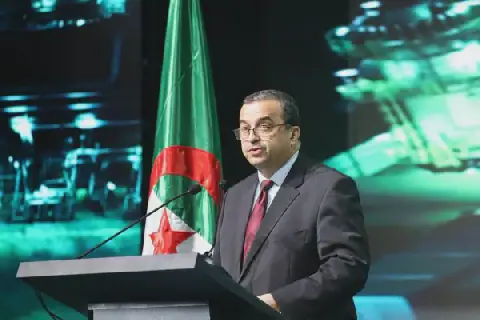
Nigeria's Minister of Aviation and Aerospace Development, Festus Keyamo, has disclosed that the removal of the petrol subsidy has helped the Federal Government increase investment in critical aviation infrastructure. This includes the reconstruction of the Lagos airport, with about $500m raised for the project and other aviation infrastructure over the past two years. Keyamo made this statement during the 67th anniversary of Aero Contractors Airline in Lagos.
According to Keyamo, the funds were not obtained through borrowing but made possible by improved liquidity and an increase in Nigeria's foreign reserves. The minister stated that Nigeria's foreign reserves had risen significantly, from about $3bn to $56bn, making the country more attractive to foreign investors. This development is expected to help attract the investment needed to develop infrastructure and create employment.
Keyamo emphasized that attracting investment is critical to addressing unemployment and improving infrastructure. He argued that jobs are created as a result of either the infrastructure being built or investments made. The minister's comments come amid continued debate over the economic impact of petrol subsidy removal, particularly on household incomes and the rising cost of food, transportation, and other essential commodities.
The government's aviation infrastructure programme is not limited to Lagos, with President Bola Tinubu approving the return of the China Civil Engineering Construction Corporation to the Abuja airport project. The corporation will construct the long-delayed second runway at the Nnamdi Azikiwe International Airport. Keyamo recalled that the Abuja runway project had previously stalled due to concerns over its estimated cost of N45bn.
The delay in the Abuja runway project significantly increased its eventual cost, estimated at nearly N500bn. Keyamo said this experience demonstrates the cost of delaying infrastructure projects. The minister also mentioned that reconstruction of Terminal 1 at the Murtala Muhammed International Airport, Lagos, began in March 2026 under a broader aviation infrastructure upgrade programme.
The Terminal 1 reconstruction project is being handled by CCECC and is expected to take about 22 months to complete. Keyamo assured that the government would continue to prioritize infrastructure development as part of efforts to strengthen Nigeria's aviation sector and support wider economic activity. This move aims to improve the overall aviation experience for Nigerians and foreign travelers.
The aviation sector's performance under President Tinubu's administration has been a subject of interest, with stakeholders monitoring the impact of policy changes on the industry. Keyamo's statement provides insight into the government's strategy for the sector, highlighting the importance of investment in infrastructure development. The success of these initiatives will be closely watched in the coming months and years.
Key points
- The Nigerian government has raised $500m for the Lagos airport reconstruction and other aviation infrastructure projects.
- The funds were made possible by improved liquidity and an increase in Nigeria's foreign reserves, from $3bn to $56bn.
- The government aims to attract investment to develop infrastructure and create employment, addressing unemployment and improving the aviation sector.